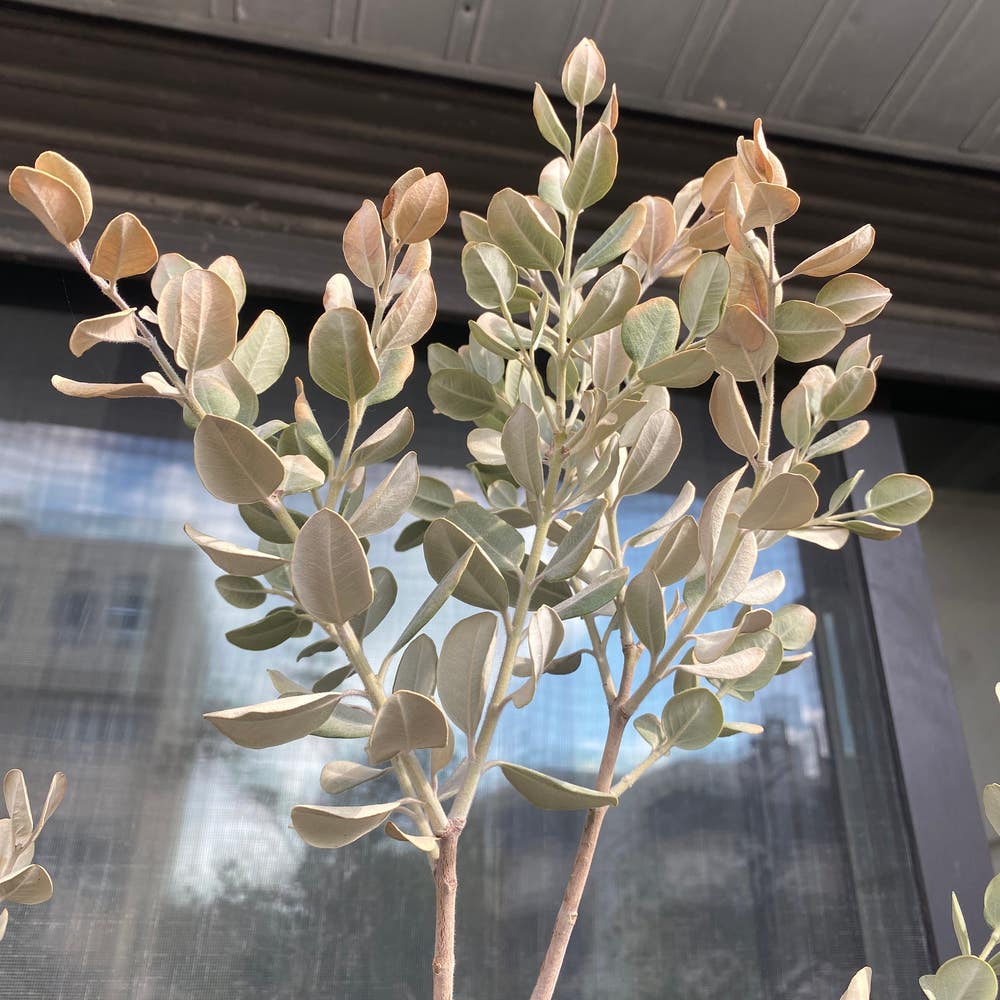
🌺 Pohutukawa Wilting? Here's What to Do
Metrosideros excelsa
By the Greg Editorial Team
Sep 29, 2024•5 min read
This article was created with the help of AI so we can cover more plants for you. May contain errors. See one? Report it here.
Transform your wilting Pohutukawa into a thriving beauty 🌿 with these essential care tips and solutions!
- 🌊 Wilting in Pohutukawa often signals water or heat stress; check soil and environment.
- 🌡️ Heat stress shows as browning edges; provide shade during peak temperatures.
- 🌱 Regular monitoring and proper watering are key to preventing wilting issues.
Common Causes of Wilting Leaves
💧 Water Stress
Wilting leaves can often signal water stress in your Pohutukawa. Look for symptoms like drooping leaves, dry soil, and curling foliage.
Inadequate watering or overwatering can lead to root damage, making it crucial to find a balance. Too little water leaves the plant thirsty, while too much can drown its roots.
🔥 Heat Stress
Heat stress is another common culprit behind wilting. Symptoms include leaves turning brown at the edges and wilting during the hottest parts of the day.
This usually happens when the plant is exposed to high temperatures without sufficient hydration. Keeping an eye on the weather can help you protect your Pohutukawa from the heat.
🦠 Disease-Related Wilting
Although less common, disease-related wilting can occur. Symptoms to watch for include yellowing leaves and wilting, even when the plant is adequately watered.
Conditions like root rot or fungal infections can affect Pohutukawa, though these are rare. If you notice these signs, it may be time to investigate further.
Understanding these causes is the first step in helping your Pohutukawa thrive. With the right care, you can address these issues effectively and keep your plant healthy.
Diagnosing Wilting in Pohutukawa
🕵️♂️ Step-by-Step Guide to Diagnose Wilting
Diagnosing wilting in your Pohutukawa starts with assessing soil moisture. Check if the soil is dry or overly saturated, as both extremes can lead to wilting.
Next, observe the leaf condition. Look for any signs of discoloration, curling, or browning that may indicate underlying issues.
🌤️ Evaluate Environmental Conditions
Evaluate the environmental conditions surrounding your plant. Note the temperature and humidity levels, as these factors significantly impact plant health.
Finally, check for pests or diseases. Inspect the leaves and stems for any signs of infestation or unusual growth patterns.
👀 Signs to Look For
Keep an eye out for drooping or limp leaves. This is often the first visible sign that something is amiss.
Color changes are also crucial indicators. Look for yellowing or browning leaves, which can signal stress.
🌿 Leaf Texture
Pay attention to leaf texture as well. Dry or crispy edges can indicate dehydration or heat stress, both of which require immediate attention.
By following these steps and recognizing these signs, you can effectively diagnose the causes of wilting in your Pohutukawa. This proactive approach will set the stage for implementing the right solutions to revive your plant.
Solutions for Wilting
🌊 Addressing Water Stress
To combat water stress, establish a consistent watering schedule. This ensures your Pohutukawa receives adequate moisture without the risk of waterlogging.
Bottom Watering Techniques
- Place the pot in a shallow tray of water.
- Allow the soil to absorb moisture from the bottom for 30 minutes.
This method encourages deep root growth and helps prevent overwatering.
☀️ Addressing Heat Stress
Heat stress can be a significant issue for your Pohutukawa.
- Relocation: Move the plant to a shaded area during peak heat hours.
- Mulching: Apply a layer of mulch around the base to retain soil moisture and regulate temperature.
These steps can help your plant recover from excessive heat exposure.
🦠 Addressing Disease-Related Wilting
If you suspect disease-related wilting, it's crucial to act quickly.
- Diagnosis: Consult a professional if symptoms persist despite your care.
- Treatment: Use appropriate fungicides or organic remedies as recommended.
Taking these actions can prevent further damage and promote healing.
🌱 Techniques for Reviving a Wilted Plant
Reviving a wilted Pohutukawa is possible with the right techniques.
Pruning Damaged Leaves
- Use clean, sharp pruning shears.
- Remove any dead or severely wilted leaves to encourage new growth.
This not only improves the plant's appearance but also redirects energy to healthier parts.
Temporary Relocation
Consider moving your plant to a more suitable environment.
This includes better light and moisture conditions, which can significantly enhance recovery.
With these solutions, your Pohutukawa can bounce back and thrive once more. Next, let’s explore preventive measures to minimize the risk of wilting in the future.
Preventive Measures
Best Practices to Minimize Wilting Risk 🌱
Regular watering is crucial for your Pohutukawa. Establish a routine that aligns with seasonal needs to keep the soil consistently moist but not soggy.
Soil management is equally important. Use well-draining soil to prevent waterlogging, which can lead to root issues and ultimately, wilting.
Environmental Considerations 🌤️
Monitoring temperature is essential. Protect your plant from extreme heat or cold to ensure it remains healthy and vibrant.
Providing adequate sunlight is key as well. Aim for 6-8 hours of sunlight daily to promote strong growth and resilience against wilting.
By implementing these preventive measures, you can significantly reduce the risk of wilting in your Pohutukawa. This proactive approach not only nurtures your plant but also enhances your gardening experience.
When to Seek Help
🚨 Signs That Require Professional Assistance
If your Pohutukawa continues to wilt despite your best care efforts, it’s time to consider professional help. Persistent wilting, even after adjusting watering and environmental conditions, is a clear signal that something more serious may be at play.
Unexplained leaf discoloration or signs of pest infestations should also raise red flags. These issues can escalate quickly, so don’t hesitate to seek guidance.
📚 Resources
Local nurseries are a fantastic first stop for expert advice and plant health assessments. The staff can provide tailored recommendations based on your specific situation.
Additionally, consider engaging with online plant care communities, like Greg. These platforms offer a wealth of knowledge and support from fellow plant enthusiasts who understand your struggles.
With the right resources and guidance, you can help your Pohutukawa thrive again. Don’t let wilting leaves discourage you; there’s always a solution waiting to be discovered!
Encouragement for Owners
Message of Hope 🌱
Your Pohutukawa can absolutely thrive again with the right knowledge and care. Remember, every plant has its ups and downs; it's part of the journey.
Importance of Knowledge 📚
Understanding your plant's needs is crucial to preventing future issues. This knowledge not only promotes resilience but also deepens your connection with your Pohutukawa, making the experience rewarding.
With a little patience and attention, you'll see your plant flourish. Embrace the learning process, and enjoy the beauty of nurturing life!
⚠️ Safety First
This content is for general information and may contain errors, omissions, or outdated details. It is not medical, veterinary advice, or an endorsement of therapeutic claims.
Always consult a qualified healthcare professional before using any plant as food, medicine, or supplement.
Never eat any plant (or feed one to pets) without confirming its identity with at least two trusted sources.
If you suspect poisoning, call Poison Control (800) 222-1222, the Pet Poison Helpline (800) 213-6680, or your local emergency service immediately.
Spotted an error? Please report it here.
Keep your Pohutukawa thriving 🌿 by using Greg's tailored watering reminders and environmental insights to tackle wilting before it starts!