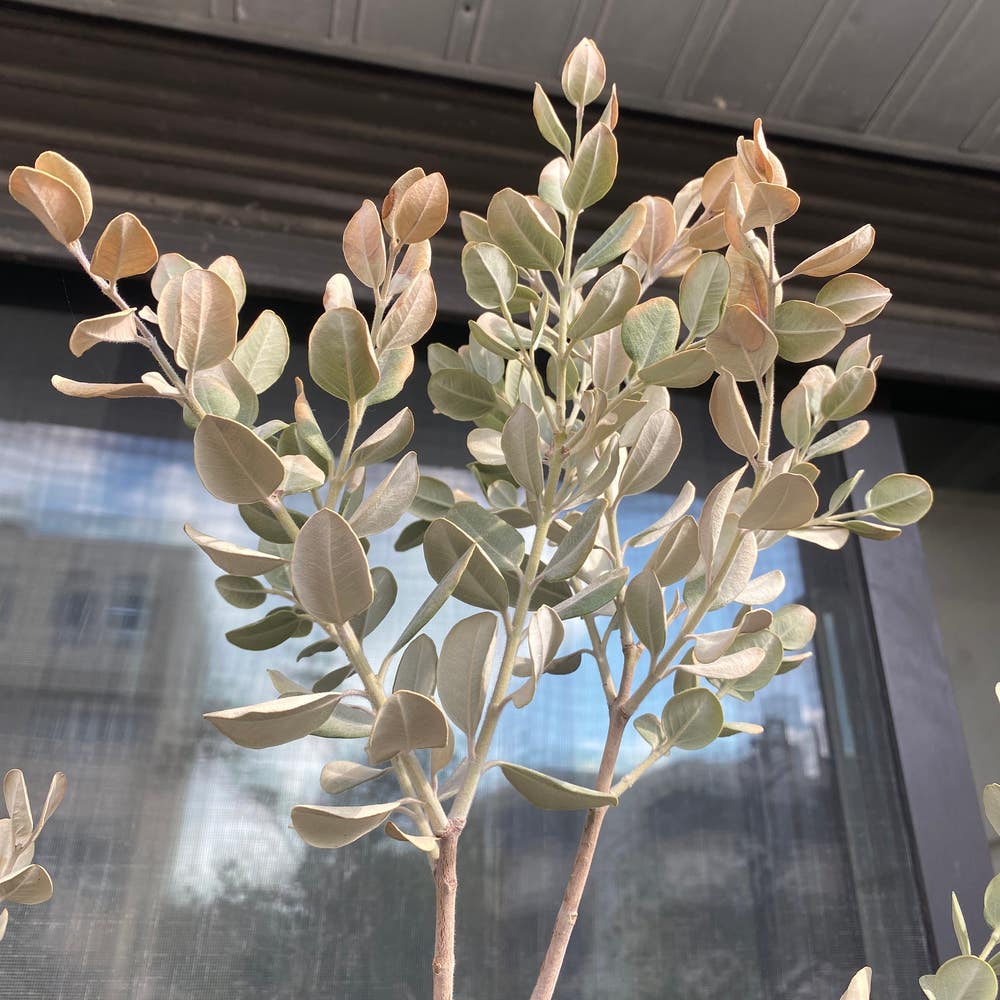
🌳 Ultimate Guide to Pohutukawa Roots
Metrosideros excelsa
By the Greg Editorial Team
Sep 29, 2024•6 min read
This article was created with the help of AI so we can cover more plants for you. May contain errors. See one? Report it here.
Discover how Pohutukawa roots 🌳 can help you cultivate resilient trees in any environment! 🌿
- 🌊 Pohutukawa roots stabilize against coastal winds and manage salt exposure effectively.
- 🌱 Healthy roots enhance nutrient absorption and drought resilience for optimal growth.
- 🔄 Repotting and aeration prevent rootbound issues, ensuring healthy development and propagation.
Type of Root System
Characteristics of Roots 🌳
The Pohutukawa tree boasts a prominent taproot system. This deep anchorage provides exceptional stability, allowing the tree to withstand strong coastal winds.
Additionally, the taproot enables access to deeper water sources, crucial for survival in challenging environments.
Fibrous Roots 🌿
Alongside the taproot, Pohutukawa trees develop fibrous roots that spread widely. This extensive network enhances nutrient and water absorption, ensuring the tree thrives even in nutrient-poor soils.
These fibrous roots are specially adapted for coastal environments, effectively managing salt exposure. This adaptability is vital for their survival in harsh coastal conditions, making them resilient and robust.
Understanding the unique characteristics of the Pohutukawa's root system is essential for anyone looking to cultivate or care for these magnificent trees.
Next, we’ll explore the typical root depth, spread, and growth patterns of Pohutukawa trees to further appreciate their remarkable adaptability.
Root Depth, Spread, and Growth Patterns
🌱 Typical Root Depth and Spread
The root system of a mature Pohutukawa tree typically reaches an average depth of 1-2 meters (3-6 feet). Its roots can spread impressively, extending up to 5-10 meters (16-33 feet) from the trunk, which helps the tree anchor itself firmly while accessing vital nutrients and water.
📈 Growth Patterns
Young Pohutukawa plants exhibit rapid initial growth, establishing themselves quickly in their environment. As they mature, their growth slows, shifting focus toward stability and efficient nutrient access, adapting to seasonal changes and environmental conditions that influence their development.
Understanding these growth patterns is essential for anyone looking to cultivate a healthy Pohutukawa. By recognizing how deep and widespread their roots can grow, you can better plan for their care and maintenance.
Next, we’ll explore how the root system affects watering needs, ensuring your Pohutukawa thrives in various conditions.
Watering, Fertilizing, and Transplanting
🌱 How Root System Affects Watering Needs
Pohutukawa trees boast deep roots that enhance their drought resilience. This means you can water them weekly during dry spells, but ease off during rainy seasons.
🌿 Fertilization Considerations
Using a balanced NPK fertilizer is crucial for healthy growth. Aim to fertilize in early spring and late summer for the best nutrient uptake.
🌳 Best Practices for Transplanting
Timing is key when transplanting; early spring or fall minimizes stress on the tree.
Techniques for Successful Transplanting
- Water Thoroughly: Ensure the tree is well-hydrated before moving it.
- Dig a Wide Hole: This accommodates the root spread and helps the tree settle in.
- Backfill with Native Soil: Using native soil reduces the risk of transplant shock.
By following these guidelines, you can ensure your Pohutukawa thrives in its new environment. Next, let’s explore common root-related issues that can affect your tree's health.
Common Root-Related Issues
🕵️ Identifying Common Problems
Root health is crucial for the overall vitality of Pohutukawa trees. One of the most common issues is root rot, which manifests through wilting and yellowing leaves.
Compacted soil is another concern, often leading to stunted growth and poor drainage. Recognizing these symptoms early can save your tree from further decline.
🛠️ Prevention and Solutions
To combat these issues, regular soil aeration is essential. This practice helps prevent compaction and promotes healthy root development.
Ensuring well-draining soil is vital to avoid root rot. Incorporating organic mulch can also be beneficial; it retains moisture while improving soil structure.
By taking these proactive steps, you can maintain a robust root system that supports a thriving Pohutukawa tree.
Understanding these common root-related issues sets the stage for better care and management of your tree's health. Next, we’ll explore indicators of root health to help you assess your tree's condition effectively.
Indicators of Root Health
🌱 Visual Cues for Healthy Roots
Healthy roots are a gardener's pride. Look for firm, white roots that show no signs of decay; this indicates vitality and strength.
When roots fill the pot or garden space, it’s a sign they’re thriving. This robust growth means your plant is well-established and ready to flourish.
🚨 Signs of Unhealthy Roots
On the flip side, dark, mushy roots are a red flag. They often indicate rot, which can spell trouble for your plant.
Additionally, keep an eye out for stunted growth or yellowing leaves. These symptoms can hint at underlying root issues, so don’t ignore them.
Understanding these indicators is crucial for maintaining a healthy plant. By recognizing the signs of both healthy and unhealthy roots, you can take proactive steps to ensure your plant thrives.
Next, let’s explore rootbound plants and how to address their unique challenges.
Rootbound Plants
Definition and Recognition 🌱
Rootbound plants occur when roots circle the pot, unable to grow outward. This condition can lead to stunted growth and poor overall health.
Signs of a rootbound plant include roots emerging from drainage holes and a noticeable lack of growth. If your plant seems to be struggling despite proper care, it might be time to investigate its root situation.
When and How to Address Issues 🔧
To keep your plants thriving, check for rootbound conditions at least once a year. Early detection can save your plant from unnecessary stress.
If you find your plant is rootbound, here are two effective solutions:
- Repot into a larger container: This gives the roots room to expand and access more nutrients.
- Trim circling roots: Carefully cut away any roots that are circling the pot to encourage new growth.
By addressing rootbound issues promptly, you can help your plants flourish and maintain their health. Understanding this aspect of plant care is crucial for any gardener looking to create a vibrant green space.
Next, let’s explore the importance of root health in propagation and division.
Propagation and Division
Importance of Root Health 🌱
Healthy roots are the backbone of successful propagation. They ensure that new plants can thrive and establish themselves in their new environments.
To assess root health, look for firm, white roots without any signs of decay. This indicates that the roots are robust and ready for propagation.
Techniques for Dividing and Propagating ✂️
The best time for propagation is early spring, as plants are just waking up from dormancy. This timing maximizes the chances of successful growth.
Methods for propagation include:
Cuttings: Choose healthy stems that already have roots. This method is straightforward and often yields quick results.
Division: Carefully separate root clumps, ensuring each section has viable roots. This technique helps rejuvenate older plants and encourages new growth.
By focusing on root health and employing these techniques, you can effectively propagate and divide your plants, ensuring a vibrant garden.
Next, we’ll explore common root-related issues and how to tackle them effectively.
⚠️ Safety First
This content is for general information and may contain errors, omissions, or outdated details. It is not medical, veterinary advice, or an endorsement of therapeutic claims.
Always consult a qualified healthcare professional before using any plant as food, medicine, or supplement.
Never eat any plant (or feed one to pets) without confirming its identity with at least two trusted sources.
If you suspect poisoning, call Poison Control (800) 222-1222, the Pet Poison Helpline (800) 213-6680, or your local emergency service immediately.
Spotted an error? Please report it here.
Unlock the secrets of Pohutukawa roots 🌳 with Greg's tailored watering and fertilization reminders, ensuring your tree flourishes in any coastal environment!