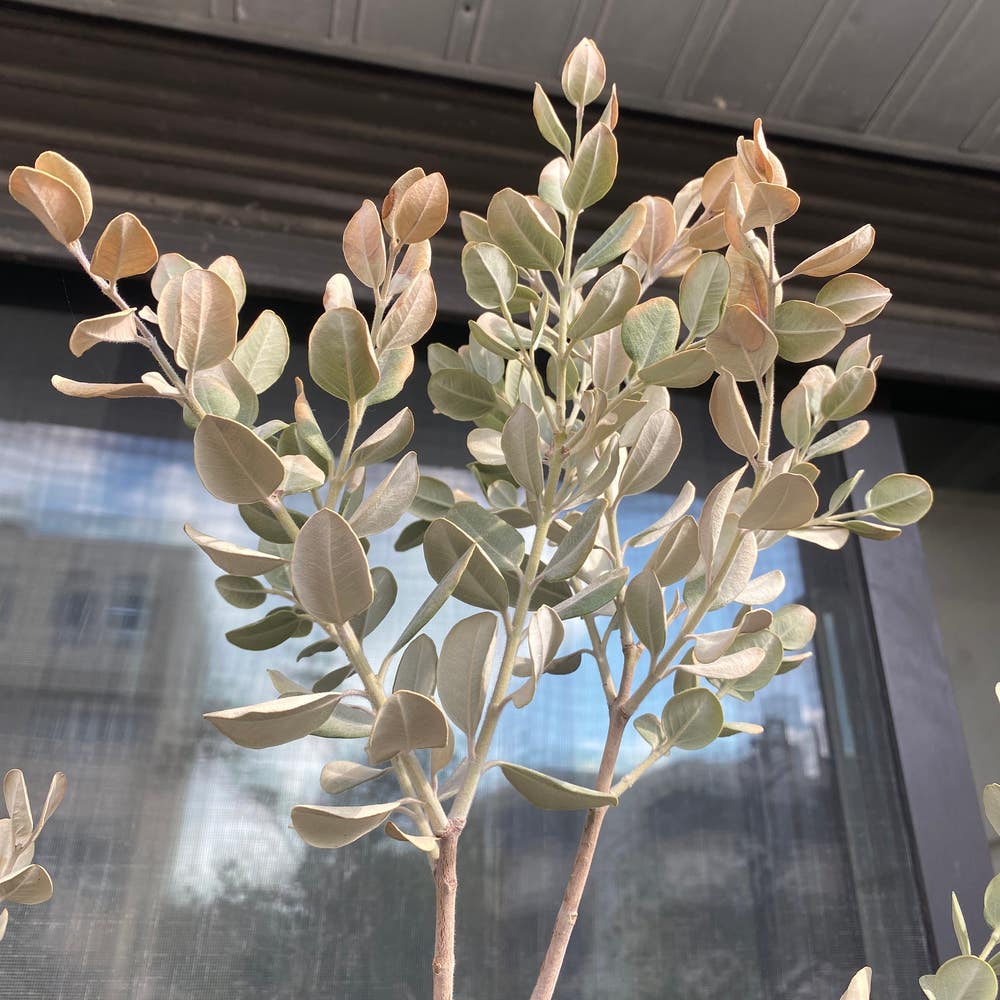
Why Are My Pōhutukawa Leaves Falling Over?
Metrosideros excelsa
By the Greg Editorial Team
Jun 19, 2024•4 min read
This article was created with the help of AI so we can cover more plants for you. May contain errors. See one? Report it here.
Revive your Pōhutukawa's spirit 🌿 by tackling leaf droop for a lush, resilient canopy!
- Persistent leaf droop signals distress in Pōhutukawa trees.
- Prune and monitor soil to maintain root and leaf health.
- Windproofing and proper watering prevent future drooping.
Spotting the Trouble Signs
🚩 Recognizing Symptoms
Pōhutukawa leaves drooping beyond the norm can signal distress. Look for erratic patterns in leaf drop, akin to a tree's cry for help. Consistent shedding is expected, but if leaves are falling like confetti at a parade when it's not the season, it's time to pay attention.
🍂 Seasonal vs. Persistent Leaf Droop
Seasonal leaf droop is as regular as clockwork, a natural part of the Pōhutukawa's life cycle. However, persistent drooping is a red flag. It's the difference between a tree taking a brief nap and one that's perpetually exhausted. Keep an eye out for leaves that seem to have given up the will to hold themselves up, regardless of the season.

The Usual Suspects: Causes of Leaf Droop
🌊 Battling the Elements
Coastal living isn't all sunshine and sea breezes for the Pōhutukawa. Salt spray and relentless winds can leave leaves drooping like overworked limbs. It's a tough gig standing guard on the shoreline.
💧 Thirsty Roots or Waterlogged Soil?
It's a hydration balancing act for Pōhutukawa roots. Too little water, and they're as parched as a sunbaked beach. Too much, and they're drowning in a soil soup. Root rot sets in when the soil is more swamp than solid ground.
🐜 Unwelcome Guests: Pests and Diseases
Pests like scale insects see Pōhutukawa leaves as an all-you-can-eat buffet. Diseases, particularly fungal foes, thrive in the plant equivalent of a poorly ventilated gym locker. Look for leaves that are more spotted than a Dalmatian or wilting without a cause.

Leaf Resuscitation: Addressing the Droop
🌿 Pruning: A Trim in Time
Pruning isn't just a haircut for your Pōhutukawa; it's crucial maintenance. Dead or dying branches need to go, as do any that rub together and create wounds. Keep it under 20% of the foliage to avoid plant shock.
📅 When to Prune
Late winter or early spring is prime time for pruning. It's like catching the early worm, but for plant health—wounds heal faster with the surge of new growth.
🛠️ Pruning Tools
Keep it clean—your tools, that is. Sterilize those shears with alcohol between cuts. It's the plant equivalent of washing your hands—a simple but effective disease stopgap.
🌱 Soil TLC: Nourishing the Roots
Roots are the unsung heroes, and they crave well-draining soil. If your Pōhutukawa's soil feels more like a swamp, mix in some perlite or peat moss to lighten it up.
🌍 Soil Examination and Maintenance
It's like a check-up for your plant's foundation. Compacted soil is a no-go. Fluff it up, give those roots space, and watch the droop disappear.
🐜 Keeping Pests and Diseases at Bay
🛡️ Combating Pests and Diseases
Defense is your best offense here. Dry leaves and good drainage are your shields against the microbial hordes. Introduce beneficial insects like ladybugs for a natural hitman against pests.
👀 Monitoring and Observation
Be vigilant. Spot early stress signs and act fast. It's like catching a cold; the sooner you deal with it, the less miserable you'll be. Adjust care practices on the fly to keep those leaves standing tall.
🌿 Preventing Droopy Leaves and Sustaining Plant Health
Regular grooming isn't just for looks; it's a health kick for your Pōhutukawa. Redirect energy to the leaves that matter by snipping off the droopy ones. It's about helping your plant focus on growing up, not down.
Prevention: Keeping Pōhutukawa Leaves Perky
🌬️ Windproofing Your Tree
Pōhutukawa trees, with their coastal origins, are no strangers to windy conditions. However, excessive wind can still cause leaf droop. To shield your tree, consider planting it in a sheltered location or using windbreaks like taller vegetation or constructed barriers. These should be positioned to reduce wind impact without blocking essential sunlight or airflow.
💧 Water Wisdom: Hydration without Harm
Overwatering and underwatering can both lead to leaf droop in Pōhutukawa trees. Strike a balance by establishing a watering schedule that accounts for soil moisture, weather patterns, and the tree's growth stage. Young trees may need more frequent watering as they establish roots, while mature trees are more drought-tolerant. Use a moisture meter or the finger test to check soil moisture before watering, ensuring you're responding to the tree's needs rather than sticking rigidly to a schedule.
⚠️ Safety First
This content is for general information and may contain errors, omissions, or outdated details. It is not medical, veterinary advice, or an endorsement of therapeutic claims.
Always consult a qualified healthcare professional before using any plant as food, medicine, or supplement.
Never eat any plant (or feed one to pets) without confirming its identity with at least two trusted sources.
If you suspect poisoning, call Poison Control (800) 222-1222, the Pet Poison Helpline (800) 213-6680, or your local emergency service immediately.
Spotted an error? Please report it here.
Prevent your Pōhutukawa's leaves from drooping by leveraging Greg's custom reminders ⏲ for watering, pruning, and environmental alerts, ensuring your tree stands tall and resilient.