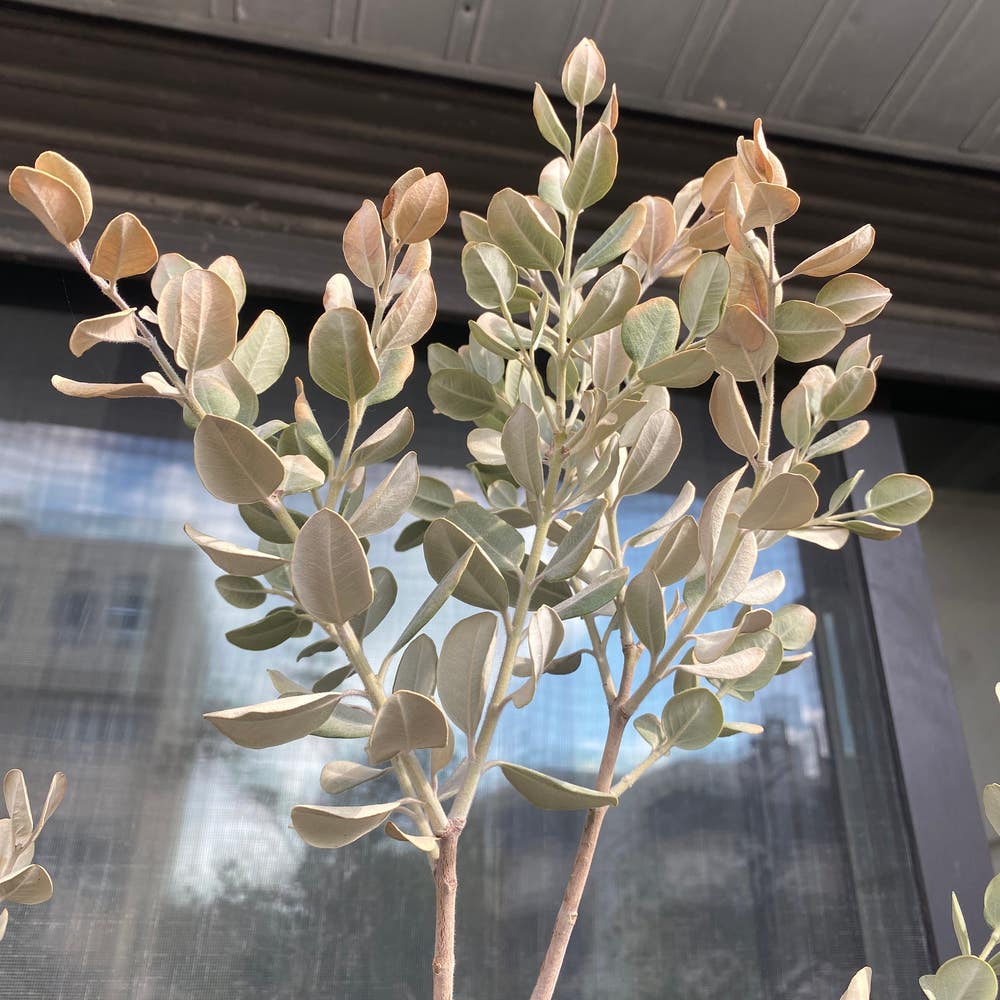
🎄 What to Do if Your New Zealand Christmas Tree Won't Flower
Metrosideros excelsa
By the Greg Editorial Team
Nov 08, 2024•5 min read
This article was created with the help of AI so we can cover more plants for you. May contain errors. See one? Report it here.
Unlock vibrant blooms for your New Zealand Christmas tree 🌼 with essential care tips to overcome common flowering failures!
- 🌱 Environmental stress and nutrient deficiencies hinder New Zealand Christmas tree flowering.
- 🌞 Ensure 6-8 hours of sunlight daily for optimal blooming potential.
- 🌿 Well-drained, slightly acidic soil is essential for healthy growth and flowers.
Common Causes of Flowering Failure
🌪️ Environmental Stress
Environmental stress can significantly hinder the flowering of your New Zealand Christmas tree. Factors like drought, excessive moisture, and temperature fluctuations create an unstable environment, leading to stunted growth and fewer blooms.
When trees experience these stressors, their energy is diverted from flowering to survival. This can result in disappointing displays when the blooming season arrives.
🍽️ Nutritional Deficiencies
Nutritional deficiencies are another common culprit behind flowering failure. Key nutrients, particularly phosphorus and potassium, are essential for robust blooms.
If your tree shows signs of yellowing leaves, poor growth, or a lack of flowers, it may be time to assess its nutrient intake. Addressing these deficiencies can help restore your tree's vitality and encourage blooming.
🌱 Soil Conditions
Soil conditions play a crucial role in the health of your Christmas tree. Well-drained soil is vital to prevent root rot and promote healthy growth.
Additionally, the soil pH should ideally be slightly acidic to neutral, ranging from 6.0 to 7.0. Testing your soil can help ensure it meets these conditions, setting the stage for a flourishing bloom cycle.
Understanding these common causes of flowering failure is the first step toward revitalizing your New Zealand Christmas tree. With the right adjustments in care, you can encourage a vibrant display of blooms in the seasons to come.
Solutions for Improving Bloom Cycle
🌞 Adjusting Light Exposure
To encourage your New Zealand Christmas tree to flourish, ensure it receives full sun for 6 to 8 hours daily. Insufficient light can lead to delayed flowering and weak growth, leaving your tree looking less vibrant than it should.
🌱 Nutritional Enhancements
Boost your tree's blooming potential by using high-phosphorus fertilizers. Apply these fertilizers in early spring, just before the bloom cycle begins, to give your tree the nutrients it needs to thrive.
🏵️ Soil Amendments
Improving soil drainage is crucial for healthy growth. Consider adding organic matter or sand to heavy soils to enhance drainage and prevent root rot.
Additionally, testing your soil pH is essential. Use a soil test kit to ensure your soil falls within the slightly acidic to neutral range (pH 6.0-7.0), which is optimal for flowering.
By addressing these key areas—light, nutrition, and soil—you can significantly improve your New Zealand Christmas tree's bloom cycle. With the right care, your tree will be on its way to producing beautiful flowers in no time!
Addressing Premature Flower Drop
🌪️ Causes of Premature Flower Drop
Premature flower drop can be frustrating for any gardener. Environmental factors like high winds, heavy rain, and temperature extremes can stress your New Zealand Christmas tree, causing blooms to fall before they fully develop.
Nutritional imbalances also play a significant role. A lack of essential nutrients can weaken blooms, making them more susceptible to dropping prematurely.
🛡️ Prevention Strategies
To protect your tree from environmental stress, consider using windbreaks or shelters. These can shield your plants from harsh weather conditions, helping to keep those precious blooms intact.
Regular feeding is equally important. Ensure a consistent nutrient supply throughout the growing season to support healthy growth and robust flower production. This proactive approach can make a significant difference in preventing premature flower drop.
By addressing these factors, you can enhance your tree's resilience and enjoy a more vibrant bloom cycle. Next, let’s explore how to identify and address abnormal flower development.
Addressing Abnormal Flower Development
Identifying Abnormalities 🌼
When your New Zealand Christmas tree shows signs of abnormal flower development, it can be disheartening. Common issues include malformed flowers, discoloration, and reduced size, which can signal underlying problems.
These abnormalities often stem from pest infestations, diseases, or nutrient deficiencies. Identifying the root cause is crucial for restoring your tree's health and ensuring vibrant blooms.
Solutions for Normalizing Flower Development 🌱
To tackle pest issues, consider using organic pesticides or introducing beneficial insects. These methods can help control pests without harming the environment or your tree.
Disease prevention is equally important. Maintain your plant's health through proper care and regular monitoring. This proactive approach can help you catch potential problems early, ensuring your Christmas tree thrives and produces beautiful flowers.
By addressing these factors, you can encourage normal flower development and enjoy the stunning blooms your tree is capable of producing. Now, let’s explore how seasonal changes can affect your tree’s flowering patterns.
Seasonal Considerations
🌸 Flowering Patterns Throughout the Year
The typical bloom cycle for New Zealand Christmas trees occurs from late spring to early summer. However, this timing can vary significantly based on environmental conditions, such as temperature and rainfall.
Weather plays a crucial role in flowering. For instance, a warm, sunny spring can lead to an earlier bloom, while cooler temperatures or excessive rain may delay flowering.
🍂 Adjusting Care Based on Seasonal Changes
As the seasons change, so should your care routine for your Christmas tree. Adjust your watering frequency to match the weather; during dry spells, increase watering, while in wetter conditions, reduce it to prevent root rot.
Fertilization also needs to be tailored to the season. Early spring is the best time to apply nutrients, ensuring your tree has what it needs to thrive.
Additionally, keep a close eye on pests and diseases, especially during the flowering season. Increased vigilance can help you catch any issues early, ensuring a healthy bloom cycle.
By understanding these seasonal considerations, you can better support your New Zealand Christmas tree's flowering potential. This proactive approach will lead to a more vibrant and flourishing display come bloom time.
⚠️ Safety First
This content is for general information and may contain errors, omissions, or outdated details. It is not medical, veterinary advice, or an endorsement of therapeutic claims.
Always consult a qualified healthcare professional before using any plant as food, medicine, or supplement.
Never eat any plant (or feed one to pets) without confirming its identity with at least two trusted sources.
If you suspect poisoning, call Poison Control (800) 222-1222, the Pet Poison Helpline (800) 213-6680, or your local emergency service immediately.
Spotted an error? Please report it here.
Revitalize your New Zealand Christmas tree into a blooming beauty 🌸 by using Greg's tailored care tips and reminders to tackle environmental stress and nutritional needs!