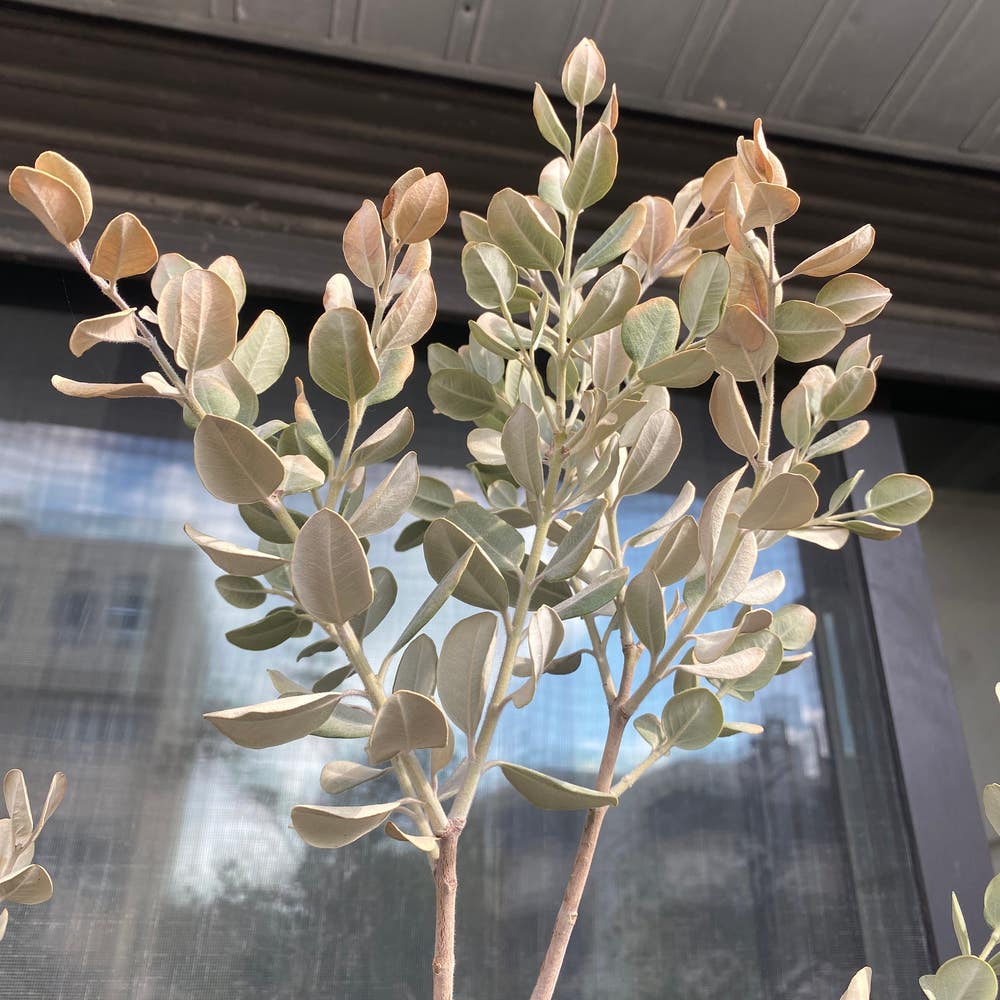
Why Is My Pōhutukawa Dropping Leaves?
Metrosideros excelsa
By the Greg Editorial Team
Jun 19, 2024•5 min read
This article was created with the help of AI so we can cover more plants for you. May contain errors. See one? Report it here.
Solve the mystery of your Pōhutukawa's falling leaves and ensure a leafy, happy tree! 🍃🔍
- Overwatering and underwatering both threaten Pōhutukawa leaves; balance is crucial.
- Temperature and wind can stress trees; create a stable microclimate for protection.
- Nutrients, pests, and diseases impact leaf health; monitor and adjust care accordingly.
When Water Works Against You
💦 Overwatering Overkill
Overwatering can turn your Pōhutukawa's roots into a mushy mess, leading to leaf drop. The soil should not feel like a swamp; if it does, cease watering immediately. Let the soil dry to the touch before considering another watering session. If the roots are rotting, trim the affected areas and repot with fresh, well-draining soil. Always check the soil moisture before watering—top inch dry means it's time to water.
🏜️ The Thirsty Tree Dilemma
Underwatering leaves your Pōhutukawa as parched as a desert, causing leaves to droop and detach. To avoid this, water thoroughly when the soil's top inch is dry, allowing excess water to drain freely. Adjust your watering frequency with the seasons—plants need more during hot spells and less when it's cooler. Remember, consistent moisture is key, but never let the soil become waterlogged.

Battling the Elements
🌡️ Too Hot to Handle or Too Cold to Hold
Pōhutukawa trees are as sensitive to temperature as we are to a poorly chosen outfit for the day. Extreme heat can dehydrate their leaves, causing them to wilt and drop. Conversely, cold temperatures can make leaves brittle and more likely to fall. To avoid these issues, place your Pōhutukawa in a location with stable temperatures. Keep it away from heaters, air conditioners, and drafty windows to maintain a consistent environment.
💨 When the Wind Blows
Wind can be a stealthy adversary for the Pōhutukawa, stripping it of its leaves with relentless gusts. To protect your tree, consider strategic placement where buildings or other plants can serve as windbreaks. If potted, move your Pōhutukawa to a sheltered spot when you know a windy day is on the horizon. For those planted in the ground, creating a barrier with other vegetation or installing a windbreak can help mitigate the effects of those blustery days.

Feeding Frenzy: Nutrients Needed
💡 Spotting the Signs of Starvation
Your Pōhutukawa might be silently screaming for nutrients if you notice leaves bidding adieu. Yellowing leaves often whisper tales of nitrogen deficiency, while stunted growth with limp leaves hints at a potassium boycott. Don't overlook phosphorus; without it, your tree's growth could be as uninspired as a Monday morning.
🍽️ The Fertilizer Fix
Tailoring your Pōhutukawa's diet is like hitting the right notes in a symphony—balance is key. Overfeeding is the botanical equivalent of a nutrient hangover; symptoms include wilted leaves and brown spots. Stick to a fertilizer schedule that's more rhythm than blues, and if you're in doubt, a local gardening guru or a tried-and-true fertilizer can be your lifeline. Watch your tree's response like a hawk; its leaves will communicate louder than words.
Unwanted Guests: Pests and Diseases
🐛 The Borer Battle
Pōhutukawa borers are a real headache. They're not just any bug; they're a destructive force that can seriously damage your tree. Look for sawdust-like frass around the base or on branches, a telltale sign these critters are at work. To stop them, you'll need to act fast. Use a systemic insecticide or consider injecting pesticides directly into the tree if the infestation is severe.
🍄 Fungus Among Us
Fungal infections are like stealthy ninjas attacking your Pōhutukawa's leaves, causing them to drop prematurely. Black spots or a rotten smell? You've got fungus. It's crucial to keep the area around your tree clean and to prune any infected areas. Fungicides can be effective, but prevention is your best bet. Water wisely, avoid wetting the leaves, and ensure good air circulation to keep those fungal foes at bay.
Pro Tips for Leaf Retention
💧 Water Wisdom
Watering your Pōhutukawa is less about sticking to a strict schedule and more about understanding its needs. The goal is to mimic the natural hydration cycle it would experience in the wild. Check the soil moisture before watering; if it's dry a couple of inches down, it's time to quench your tree's thirst. Remember, overwatering can be just as harmful as underwatering, so use a water calculator for precision or stick to the soak-and-dry method.
🏡 Shelter and Shade Strategies
Creating a microclimate can be a game-changer for your Pōhutukawa. If it's in a pot, move it to a spot that shields it from harsh elements. For garden-planted trees, consider strategic planting or structures that provide protection. Wind barriers or partial shade during the hottest part of the day can prevent leaf scorch and drop.
🌿 Nutrient Know-How
Your Pōhutukawa's diet should be as balanced as a gymnast's. Yellowing leaves can signal a nutrient deficiency. A soil test is like a health check-up; it'll tell you what's missing. Use a seaweed tonic for a gentle nutrient boost, and remember, more fertilizer is not always better. It's about finding that sweet spot.
🐜 Pest Patrol Tactics
Keep pests at bay by being vigilant. Regularly inspect your Pōhutukawa for the dreaded borer and other freeloaders. Prune any damaged or infested branches to prevent spread. If you spot something, act fast—like a superhero swooping in to save the day. And always, clean your tools after use to avoid spreading trouble.
⚠️ Safety First
This content is for general information and may contain errors, omissions, or outdated details. It is not medical, veterinary advice, or an endorsement of therapeutic claims.
Always consult a qualified healthcare professional before using any plant as food, medicine, or supplement.
Never eat any plant (or feed one to pets) without confirming its identity with at least two trusted sources.
If you suspect poisoning, call Poison Control (800) 222-1222, the Pet Poison Helpline (800) 213-6680, or your local emergency service immediately.
Spotted an error? Please report it here.
Keep your Pōhutukawa leafy and thriving 🌳 with Greg's custom watering reminders and environmental tips to prevent leaf drop and ensure your tree's success.