🌳 Growth Rate of Pohutukawa
Metrosideros excelsa
By the Greg Editorial Team
Sep 29, 2024•6 min read
This article was created with the help of AI so we can cover more plants for you. May contain errors. See one? Report it here.
Uncover the Pohutukawa tree's remarkable journey from seed to stunning bloom! 🌺🌱
- 🌱 Pohutukawa seeds germinate in 2 to 4 weeks under optimal conditions.
- ☀️ Full sun exposure is crucial for healthy vegetative growth, needing at least 6 hours daily.
- 🌳 Mature Pohutukawa trees can grow up to 25 meters tall, thriving in coastal environments.
Germination Stage
🌱 Duration of Germination
The germination period for Pohutukawa seeds typically spans 2 to 4 weeks. This timeframe can vary based on several factors, including temperature, moisture levels, and the viability of the seeds.
🌤️ Conditions for Successful Germination
To ensure successful germination, specific conditions must be met:
Optimal Temperature Range
Aim for a temperature between 20°C to 25°C (68°F to 77°F). This range promotes healthy seed development.
Moisture Requirements
Seeds need consistent moisture but should avoid waterlogging. Too much water can hinder germination.
Soil Type
Well-draining sandy or loamy soil is ideal. This type of soil prevents excess moisture retention, which is crucial for seed health.
Light Exposure
Provide indirect sunlight to prevent seed desiccation. Too much direct light can dry out the seeds before they germinate.
By understanding these conditions, you can create an environment that fosters the growth of Pohutukawa, setting the stage for its remarkable life cycle. Next, we’ll explore the seedling stage and what to expect as the tree begins to grow.
Seedling Stage
Length of Seedling Stage 🌱
The seedling stage of the pohutukawa typically lasts about 6 months to 1 year. This duration can vary based on environmental conditions and the level of care provided.
Key Characteristics of Seedlings 🌿
At the end of the seedling stage, pohutukawa seedlings usually reach a height of 10-30 cm (4-12 inches).
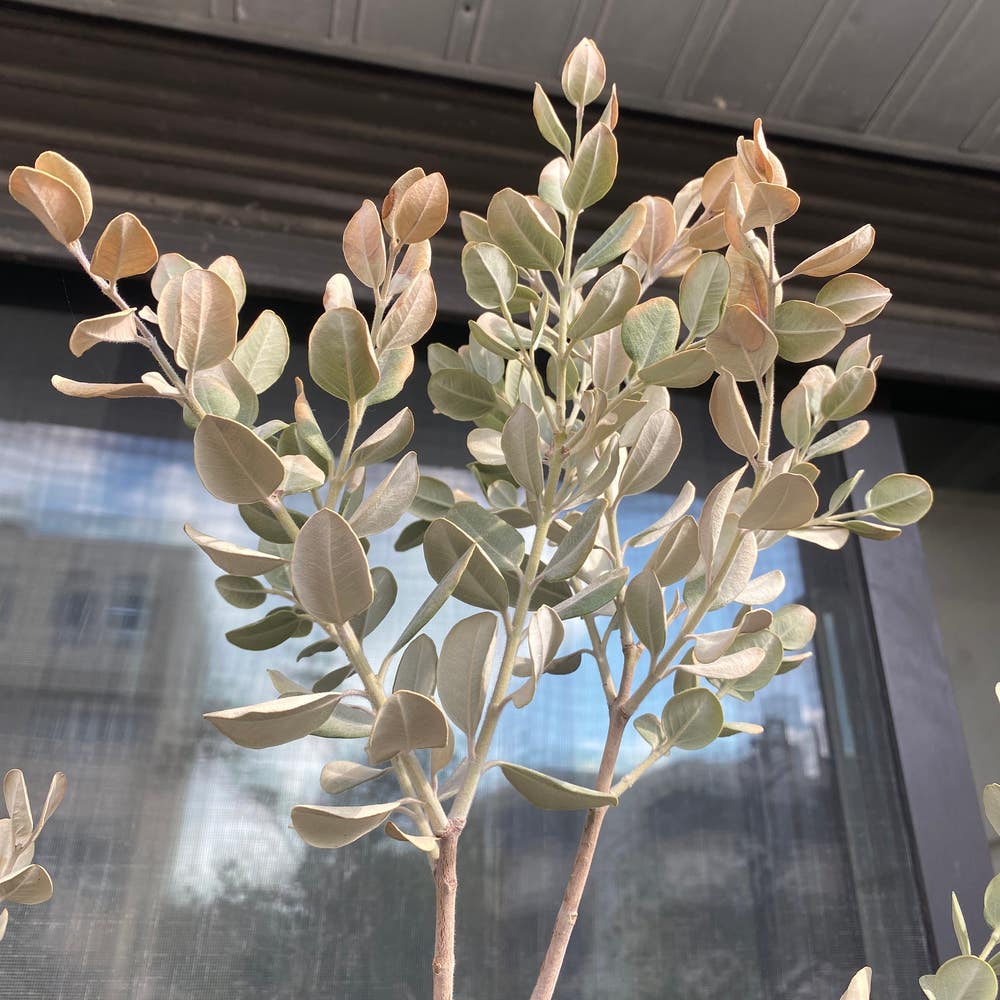
Their leaves start small and oval, gradually developing into larger, thicker foliage as they mature.
During this time, seedlings also establish a robust root system, which is crucial for stability and nutrient uptake.
This foundational growth sets the stage for their future development, ensuring they are well-equipped to thrive in their environment.
As these seedlings grow, they embody the resilience and potential of the pohutukawa tree, paving the way for the next stages of life.
With the right conditions, these young plants will soon transition into the vegetative growth stage, where their journey continues.
Vegetative Growth Stage
🌱 Duration of Vegetative Growth
The vegetative growth stage of the pohutukawa typically lasts between 2 to 5 years. This duration can vary significantly based on environmental conditions such as soil quality and climate.
📈 Growth Patterns and Environmental Needs
During this stage, pohutukawa can grow impressively, reaching heights of 1 to 2 meters (3 to 6 feet) each year under optimal conditions.
Light Requirements
These trees thrive in full sun, needing at least 6 hours of direct sunlight daily to maximize their growth potential.
Soil and Water Needs
Pohutukawa prefer well-draining soil and require moderate watering. Once established, they become drought-tolerant, making them resilient in challenging environments.
Adaptations
One of the remarkable features of pohutukawa is their ability to withstand salt spray and poor soil conditions, which are common in coastal areas. This adaptability not only enhances their survival but also allows them to flourish in less-than-ideal settings.
As pohutukawa trees progress through their vegetative growth stage, they lay the groundwork for a robust and resilient life ahead. This stage is crucial for establishing a strong foundation, setting the stage for the flowering phase that follows.
Flowering Stage
Timing of Flowering 🌸
The pohutukawa typically blooms from late spring to early summer, specifically between November and January in New Zealand. This timing can vary based on local climate and environmental conditions, making it essential to observe regional patterns.
Characteristics of Flowers 🌺
Pohutukawa flowers are striking, featuring bright red, fluffy clusters that are a feast for the eyes. These vibrant blooms attract various pollinators, with birds like the tui and bellbird playing a crucial role in the pollination process.
Importance of Flowering 🌼
Flowering is vital for the pohutukawa's reproductive cycle. It not only facilitates seed production but also supports the ecosystem by attracting pollinators, which are essential for plant diversity and health.
The flowering stage is a remarkable time for the pohutukawa, showcasing its beauty and ecological significance. As we transition to the next stage, we’ll explore seed production and its critical role in the life cycle of this iconic tree.
Seed Production Stage
Duration and Conditions for Seed Production 🌱
After flowering, pohutukawa trees take about 1-2 months for their seeds to mature. Successful seed production hinges on two main factors: adequate pollination and favorable weather conditions.
Importance of Seed Dispersal 🌬️
Seed dispersal is crucial for the pohutukawa's survival and expansion. The seeds are primarily spread by wind and water, allowing them to reach new areas where they can germinate.
Seeds can also enter a state of dormancy, enabling them to wait for optimal conditions before sprouting. This adaptability ensures that the species can thrive even in challenging environments.
Understanding these stages of seed production and dispersal highlights the resilience of the pohutukawa. As we move forward, let’s explore how these trees grow and mature over time.
Growth Rate and Maturation
🌱 How Long Until Fully Grown?
Pohutukawa trees typically reach full maturity in 10 to 20 years. This timeframe can vary significantly based on environmental conditions and care.
⚡️ Factors Affecting Growth Rate
Several factors influence the growth rate of Pohutukawa trees.
- Environmental Factors: Soil quality, water availability, and sunlight exposure play crucial roles in determining how quickly these trees grow.
- Genetic Factors: There’s also variability among individual trees, meaning some may flourish faster than others.
📏 Average Growth Rate Per Year
Under ideal conditions, Pohutukawa trees can grow an impressive 1 to 2 meters (3 to 6 feet) each year. This rapid growth is a testament to their adaptability and resilience.
Understanding these growth dynamics not only highlights the beauty of the Pohutukawa but also sets the stage for appreciating the notable changes throughout its life cycle. As we explore these transformations, we’ll uncover how this iconic tree thrives in its environment.
Notable Changes Throughout Life Cycle
🌱 Physical Changes from Seed to Maturity
The pohutukawa undergoes remarkable transformations as it matures. It starts as a small, delicate seedling and can grow into a towering tree, reaching heights of up to 25 meters (82 feet).
🌼 Changes in Reproductive Capabilities
As the tree ages, its reproductive capabilities evolve significantly. It develops vibrant flowers and seeds, with older trees producing more seeds, which boosts their chances of successful reproduction.
🌊 Environmental Adaptations Over Time
Mature pohutukawa trees exhibit enhanced adaptations to their environment. They become more tolerant of salt and drought, allowing them to thrive in coastal areas.
Additionally, the growth rate shifts from a rapid juvenile phase to a more stable pace in maturity. This resilience not only ensures their survival but also contributes to the ecosystem around them.
These changes highlight the pohutukawa's journey from a fragile seed to a robust, life-giving tree, showcasing nature's incredible adaptability and strength.
As we explore the growth rate and maturation of these trees, we’ll uncover how long it takes for them to reach full maturity and the factors that influence their growth.
⚠️ Safety First
This content is for general information and may contain errors, omissions, or outdated details. It is not medical, veterinary advice, or an endorsement of therapeutic claims.
Always consult a qualified healthcare professional before using any plant as food, medicine, or supplement.
Never eat any plant (or feed one to pets) without confirming its identity with at least two trusted sources.
If you suspect poisoning, call Poison Control (800) 222-1222, the Pet Poison Helpline (800) 213-6680, or your local emergency service immediately.
Spotted an error? Please report it here.
Unlock the secrets to thriving Pohutukawa 🌱 with Greg's tailored care reminders, ensuring your seedlings grow into magnificent trees in no time!