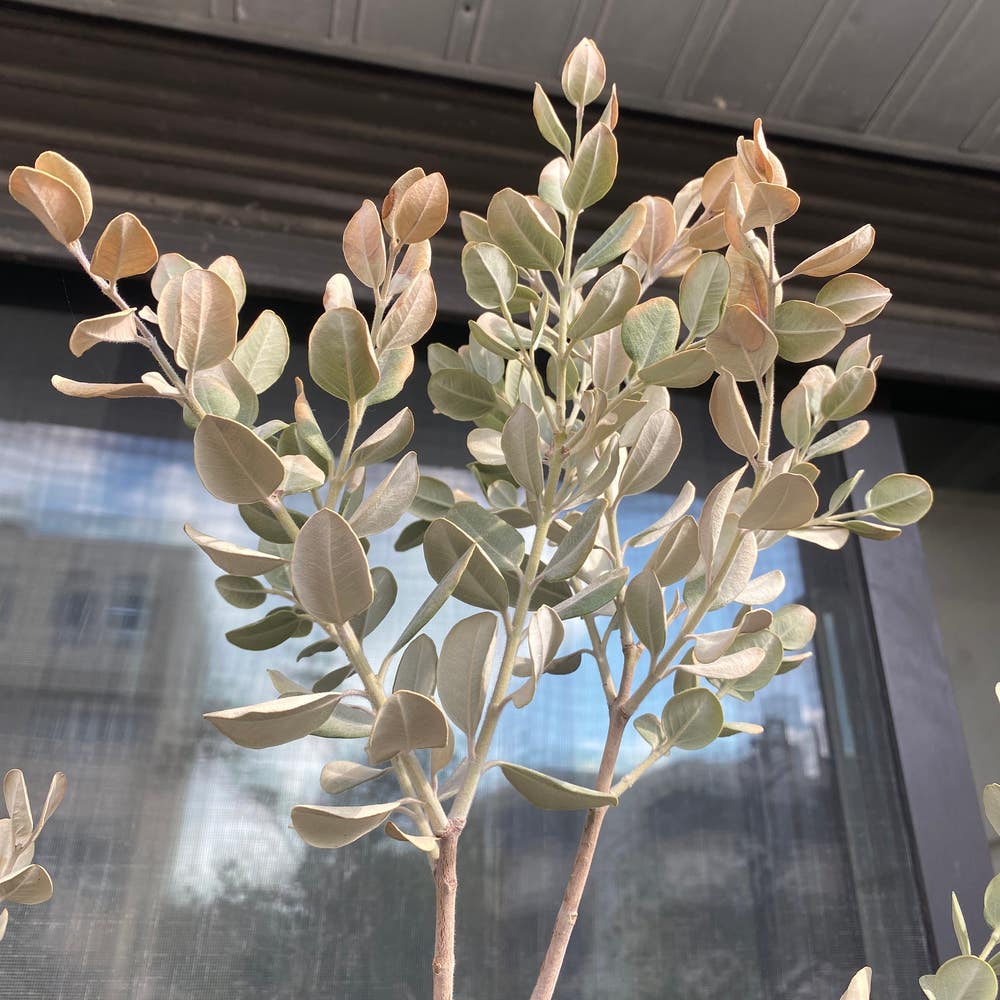
Should I Repot My Pōhutukawa?
Metrosideros excelsa
By the Greg Editorial Team
Jan 24, 2024•5 min read
This article was created with the help of AI so we can cover more plants for you. May contain errors. See one? Report it here.
Ensure your Pōhutukawa flourishes 🌿 by mastering the timely art of repotting.
- Roots visible? Time to repot - they signal your Pōhutukawa's plea for space.
- 🌱 Choose the right pot material - terracotta breathes, plastic retains moisture.
- Post-repotting care is crucial - maintain moist soil and monitor for stress.
Spotting the Telltale Signs Your Pōhutukawa Needs a New Pot
🌱 Roots on the Run
Roots peeking out of drainage holes are your Pōhutukawa's cry for help. This root-bound state restricts your tree's ability to absorb nutrients and water, stifling its growth. If you spot roots circling the surface or your pot is bulging, it's high time for a new residence.
💧 Water Woes
When water zips through the pot faster than a greased pig, it's a red flag. Poor water retention often means the roots have taken over, leaving little soil to hold moisture. Conversely, water that sits atop the soil like a lazy toad suggests compaction and poor drainage—another nudge towards repotting.
🌿 Growth Grumbles
A Pōhutukawa that's stopped growing is like a teen outgrowing their shoes—uncomfortable and cranky. Look for a top-heavy tree or one that's more foliage than soil. If your Pōhutukawa's growth has hit a wall, it's not just being stubborn; it needs more space to flourish.
The Art of Repotting Your Pōhutukawa
🌱 Prepping for the Big Move
Repotting your Pōhutukawa isn't rocket science, but it does require a gentle touch. Start by watering your tree to ease the transition. Then, tilt the pot and coax the tree out, supporting the trunk and root ball. If it's stubborn, tap the pot's edges or roll it gently on the ground to loosen the soil's grip.
🌿 Root TLC
Once free, it's time for some root rehab. Shake off loose soil and inspect the roots. Use sterilized scissors to snip away any dead or circling roots. This isn't a haircut; it's a health check. Trim just enough to encourage new growth and prevent future tangling.
🏡 Home Sweet Home
Now for the pot setup. Ensure it has drainage holes—no one likes wet feet, especially not Pōhutukawa. Add a layer of fresh soil, position your tree in the center, and fill in around the roots. The soil level should match where it sat in the old pot. Water it well, but don't drown it. Your Pōhutukawa's new digs should be snug, not swimming.
Picking the Perfect Pot
🏺 Material Matters
When it comes to material, your Pōhutukawa's pot can make or break its mood. Terracotta is the go-to for many green thumbs, thanks to its porous nature that prevents water from overstaying its welcome. It's like a breathable cotton tee for roots, offering a sweet escape route for excess moisture. Plastic pots, while lightweight and less fragile, tend to hold onto water like a sponge, which can spell disaster for those of us who are a bit heavy-handed with the watering can. Fabric pots are the new kids on the block, promoting air pruning and excellent drainage, but they might not win any beauty contests.
📏 Size It Up Right
Now, let's talk size. It's not just about slapping your plant into the biggest pot you can find. That's like giving a fish a swimming pool—unnecessary and potentially harmful. Your Pōhutukawa craves a cozy fit, a pot that's just a couple of inches wider than its current residence. This gives the roots room to stretch without swimming in soil. Remember, a pot that's too large is a VIP pass for root rot, thanks to all that extra, moisture-loving soil. So, keep it snug, not suffocating or swimming, and your Pōhutukawa will thank you.
Special Repotting Tips for Pōhutukawa Saplings and Old Timers
👶 Youngsters on the Move
Repotting a Pōhutukawa sapling is like ensuring a toddler's shoes fit—vital for healthy growth. These saplings are energetic and can quickly outgrow their space. When repotting, choose a pot that's a size up. This gives the roots room to expand without drowning in excess soil. Gentle handling is key; avoid damaging the tender roots. If you spot any circling roots, tease them out to encourage outward growth.
🧓 Respecting the Elders
Mature Pōhutukawa trees are the stoic elders of the garden, deserving of respect and careful handling. Repotting can be stressful, so it's crucial to minimize shock. Ensure the new pot is large enough to accommodate growth, but not so large that the soil stays wet and causes root rot. When pruning roots, be conservative. Remove only what's necessary to fit the pot and maintain health. Remember, these old timers have seen it all—handle with reverence and a steady hand.
Pōhutukawa Aftercare: The First Weeks Post-Repotting
💧 Watering Wisdom
After repotting, watering your Pōhutukawa is like threading a needle—too much or too little and you'll miss the mark. Initially, keep the soil moist to encourage root recovery, but steer clear of waterlogging. It's a balancing act; aim for damp, not drenched.
👀 Watchful Eye
Your Pōhutukawa's post-repotting phase requires vigilance. New growth? You're on the right track. Yellowing leaves? Time to reassess your care strategy. Keep it out of harsh sunlight; think of it as a patient, not a beachgoer. Watch for stress signs and be ready to tweak your approach—less water, more shade, or a pep talk (just kidding on the last one).
⚠️ Safety First
This content is for general information and may contain errors, omissions, or outdated details. It is not medical, veterinary advice, or an endorsement of therapeutic claims.
Always consult a qualified healthcare professional before using any plant as food, medicine, or supplement.
Never eat any plant (or feed one to pets) without confirming its identity with at least two trusted sources.
If you suspect poisoning, call Poison Control (800) 222-1222, the Pet Poison Helpline (800) 213-6680, or your local emergency service immediately.
Spotted an error? Please report it here.
Transition your Pōhutukawa to a spacious new pot 🌱 with ease, using Greg's personalized reminders to ensure a perfect repotting time and optimal post-care monitoring.