🌳 Why Pohutukawa Is Not an Annual
Metrosideros excelsa
By the Greg Editorial Team
Sep 29, 2024•5 min read
This article was created with the help of AI so we can cover more plants for you. May contain errors. See one? Report it here.
Unlock the secret to a thriving garden with resilient Pohutukawa trees that bloom vibrantly year-round! 🌳
- 🌳 Pohutukawa trees are perennial, thriving in coastal environments with unique adaptations.
- 🌊 Their deep roots enhance nutrient absorption, crucial for sandy, nutrient-poor soils.
- 🌺 Vibrant red flowers bloom seasonally, attracting wildlife and adding aesthetic value.
Pohutukawa's Perennial Nature
🌱 Genetic Characteristics
Pohutukawa trees boast a unique chromosome count that contributes to their impressive longevity. This genetic makeup allows them to thrive in challenging coastal environments, showcasing remarkable adaptations that enhance their survival.
🌊 Adaptations for Coastal Survival
These adaptations include salt tolerance and resilience to strong winds. Such traits enable Pohutukawa to flourish where many other plants struggle, making them a staple of New Zealand's coastal landscapes.
🍃 Physiological Traits Supporting Perennial Growth
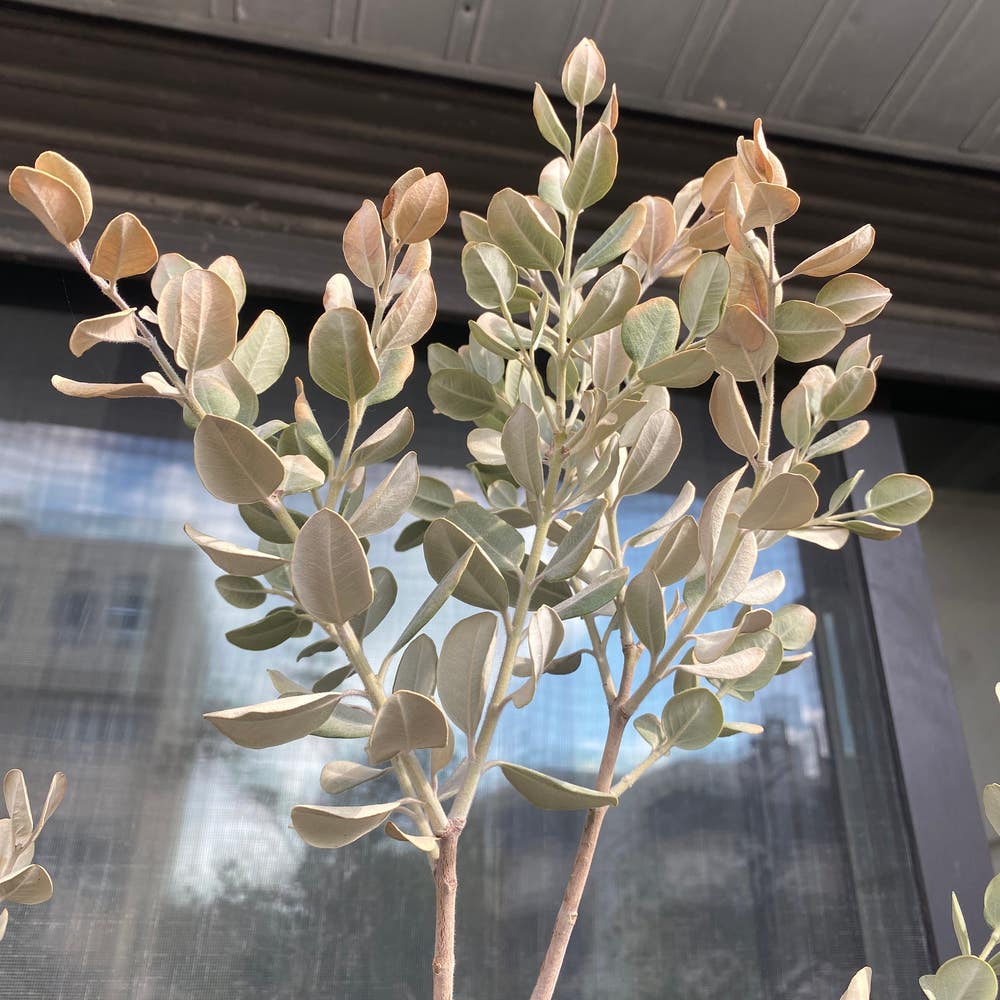
One of the standout features of Pohutukawa is its evergreen foliage. This allows for year-round photosynthesis, ensuring the tree remains vibrant and healthy throughout the seasons.
🌳 Root System Efficiency
The root system of Pohutukawa is both deep and extensive. This design aids in nutrient and water absorption, crucial for sustaining its growth in often sandy or nutrient-poor soils.
⏳ Long-Term Lifecycle and Growth Patterns
Pohutukawa trees have a remarkable lifespan, often exceeding 100 years. Their growth rate is slow to moderate, allowing for significant height and canopy development over time, creating stunning natural canopies.
📈 Growth Rate Insights
As they mature, these trees can reach impressive heights, providing shade and beauty. Their gradual growth pattern makes them a long-term investment for any landscape.
Understanding the perennial nature of Pohutukawa not only highlights its resilience but also sets the stage for exploring its lifecycle and reproductive strategies. This knowledge is essential for appreciating its role in garden design and management.
Lifecycle Comparison
Differences in Flowering and Seed Production 🌸
Pohutukawa trees exhibit distinct flowering cycles, blooming seasonally with vibrant red flowers that capture attention. Unlike some perennials that flower continuously, Pohutukawa's blooms create a spectacular display during specific times of the year.
When it comes to seed production, Pohutukawa trees are remarkable. They produce viable seeds that can remain dormant for years, waiting for the right conditions to germinate. This adaptability ensures their survival in fluctuating environments.
Reproductive Strategies 🐦
Pollination plays a crucial role in the lifecycle of Pohutukawa. These trees attract native birds and insects, which are essential for transferring pollen and facilitating reproduction.
Seed dispersal is another fascinating aspect of their reproductive strategy. Pohutukawa employs various mechanisms to spread seeds across coastal areas, ensuring that new generations can thrive in suitable habitats.
Understanding these lifecycle differences and reproductive strategies highlights why Pohutukawa is not just an ordinary tree. It showcases the resilience and adaptability of this iconic species, paving the way for its enduring presence in coastal ecosystems.
As we explore the misconceptions surrounding Pohutukawa, we’ll uncover how environmental factors can sometimes lead to misunderstandings about its growth and classification.
Misconceptions and Exceptions
🌱 Conditions Where Pohutukawa May Be Mistaken for an Annual
Pohutukawa trees can sometimes be misidentified as annuals due to environmental stressors. Poor soil quality or extreme weather conditions can stunt their growth, making them appear less robust than their perennial nature suggests.
Improper care can also lead to misconceptions. If not given the right attention, these trees may struggle to showcase their true perennial characteristics, leading to confusion about their classification.
🌍 Regional Variations Affecting Classification
Climate plays a significant role in how Pohutukawa trees grow. In non-native regions, variations in temperature and precipitation can alter their growth patterns, making them seem less perennial.
Urban settings further complicate this picture. The challenges of urbanization, such as pollution and limited space, can impact the health and growth of Pohutukawa, reinforcing misconceptions about their nature.
Understanding these factors is crucial for appreciating the true essence of Pohutukawa trees. With the right conditions and care, they can thrive and showcase their perennial beauty.
As we explore the implications of these misconceptions, let's delve into how they affect garden design.
Garden Design Implications
🌺 Advantages in Garden Design
Pohutukawa trees are a stunning addition to any garden, showcasing vibrant red flowers that bloom in summer. Their evergreen foliage provides year-round greenery, making them a visual delight through all seasons.
Beyond aesthetics, these trees offer significant ecological benefits. They support local wildlife, attracting native birds and insects, which enhances biodiversity in your garden.
🌱 Planning for Perennial Growth
When incorporating Pohutukawa into your garden design, consider their space requirements. Mature trees can grow quite large, so plan accordingly to give them room to thrive.
To maintain seasonal interest, think about how Pohutukawa can fit into your landscape throughout the year. Their striking blooms and lush leaves can create a dynamic visual experience, ensuring your garden remains vibrant and inviting.
Incorporating Pohutukawa not only beautifies your space but also fosters a thriving ecosystem. As you plan your garden, keep these considerations in mind for a flourishing landscape that celebrates nature.
Management Tips for Gardeners
🌳 Best Practices for Managing Pohutukawa
To ensure your Pohutukawa thrives, start with soil preparation. Aim for well-draining, nutrient-rich soil to support its growth.
Next, establish a watering schedule. Deep watering during dry periods is essential to keep the tree healthy and vibrant.
🌱 Tips for Maximizing Longevity and Health
Pruning techniques play a crucial role in encouraging healthy growth and flowering. Regularly trim dead or overcrowded branches to promote better air circulation.
Additionally, focus on pest and disease management. Keep an eye out for common issues that can affect Pohutukawa, and address them promptly to maintain its health.
By following these management tips, you can enjoy the beauty and resilience of Pohutukawa in your garden for years to come. Next, let’s explore the advantages of incorporating this stunning tree into your garden design.
⚠️ Safety First
This content is for general information and may contain errors, omissions, or outdated details. It is not medical, veterinary advice, or an endorsement of therapeutic claims.
Always consult a qualified healthcare professional before using any plant as food, medicine, or supplement.
Never eat any plant (or feed one to pets) without confirming its identity with at least two trusted sources.
If you suspect poisoning, call Poison Control (800) 222-1222, the Pet Poison Helpline (800) 213-6680, or your local emergency service immediately.
Spotted an error? Please report it here.
Embrace the perennial beauty of Pohutukawa trees 🌺 by using Greg's tailored care tips to ensure they thrive in your garden for generations to come!