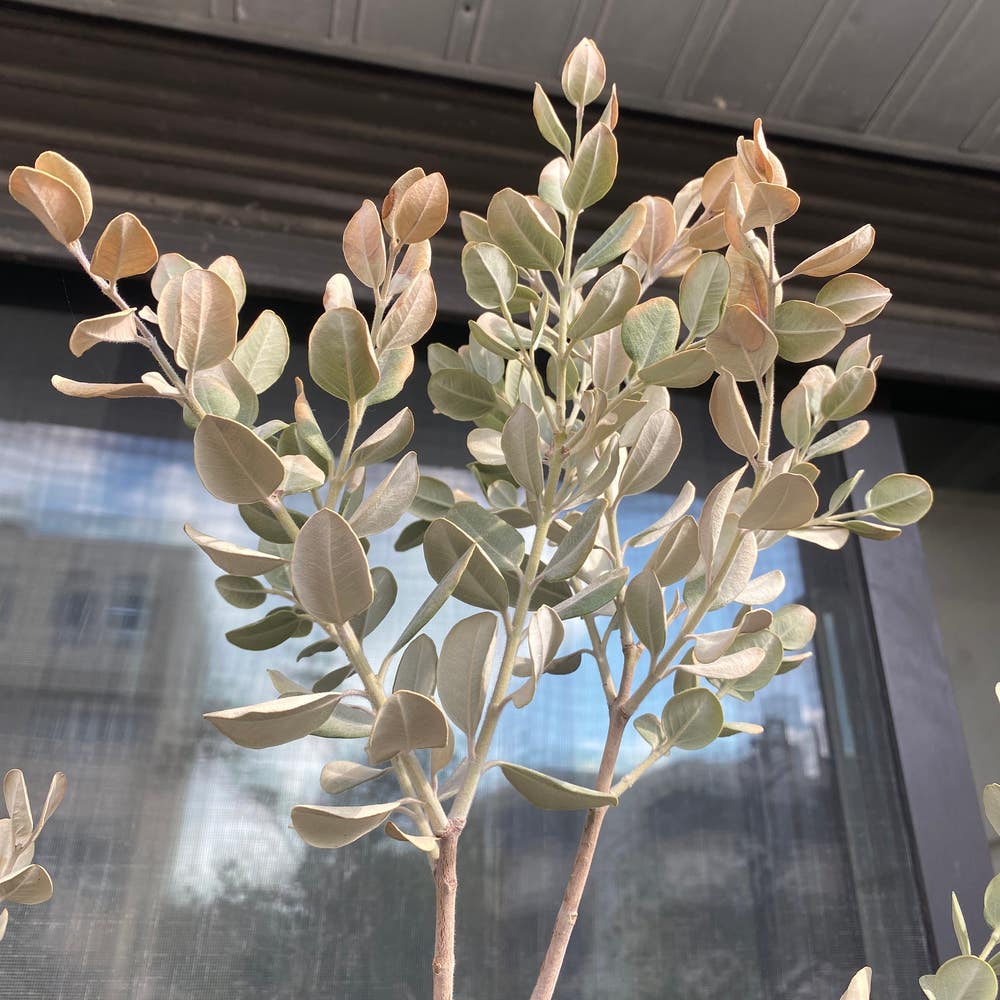
Why Are My Pōhutukawa Leaves Mushy?
Metrosideros excelsa
By the Greg Editorial Team
Jan 24, 2024•5 min read
This article was created with the help of AI so we can cover more plants for you. May contain errors. See one? Report it here.
Revive your Pōhutukawa's health 🌿 by tackling mushy leaves with our crucial care guide.
- Mushy leaves signal distress, often from overwatering or fungal infections.
- Improve drainage and adjust watering to prevent root rot and mushiness.
- Combat dieback with pruning and fungicides for healthier Pōhutukawa leaves.
Spotting the Trouble: Signs Your Pōhutukawa Leaves Are Unhappy
🚨 Visual Symptoms and Immediate Concerns
Pōhutukawa leaves should be robust and green, but when they're mushy, it's a red alert. Discoloration and a change in texture are the first signs that your tree is not in its prime.
Leaves that are yellowing, browning at the edges, or have a defeated droop are screaming for help. It's essential to recognize these early signs of distress and act swiftly to prevent further damage.
🍄 When Fungi Attack: Identifying Infections
Dark lesions or cankers on Pōhutukawa leaves are like the calling cards of fungal infections. These unsightly marks often signal that the tree's health is under siege by microscopic invaders.
Understanding the link between fungi and leaf mushiness is crucial. Fungi thrive in moist conditions, so mushy leaves could mean that your tree is in a wet war with fungal foes. Keep an eye out for any unusual patterns or growths, as these can be indicators of a more serious issue.
Water Woes: The Overwatering and Drainage Dilemma
💧 Too Much Love: The Perils of Overwatering
Overwatering is the silent assassin of Pōhutukawa trees, turning robust leaves into mushy messes. The roots need air as much as they need water; drowning them in liquid affection is a surefire path to decay.
Signs you're overzealous with the watering can include yellowing leaves, a constant state of wet soil, and the dreaded presence of mold or fungus on the surface. If lifting the pot feels like a workout, you're in waterlogged territory.
🌱 Improving Drainage: Giving Roots Breathing Room
To combat the swampy conditions, mix in perlite, vermiculite, or coarse sand to give the soil the looseness it craves. This isn't just about avoiding the mush; it's about creating an environment where roots can thrive, not just survive.
Proper drainage is like giving your tree's roots a snorkel instead of an anchor. Ensure pots have enough holes to make a sieve blush, and consider a terracotta home for your Pōhutukawa—it's the moisture-wicking workout gear for roots. Mulch acts as the moisture moderator, keeping things just right—like a thermostat for your soil.
Fungal Foes: Tackling Root Rot and Dieback
🍄 Phytophthora Root Rot: A Hidden Threat
Root rot is the silent assassin of the Pōhutukawa, often going unnoticed until it's too late. Mushy leaves are just the tip of the iceberg; below the surface, the roots are in turmoil. If you suspect root rot, it's time for some detective work. Gently unearth a section of roots and look for discoloration or a spongy texture. Don't wait for your tree to wave a white flag; act fast to stop the spread.
🛠️ Steps to Take if Root Rot is Suspected
- Isolate the affected tree to prevent cross-contamination.
- Prune away any dead or dying roots and foliage with sterilized tools.
- Adjust watering habits immediately—less is more.
- Consider soil replacement or treatment with fungicides, but remember, they're not magic bullets.
- Monitor closely for signs of recovery or further decline.
🌳 Botryosphaeria Dieback: The Branch Buster
Dieback is like that one guest at a party who just won't leave. It starts with a few brown leaves and before you know it, entire branches are toast. Botryosphaeria can be a real pain, causing branches to wither and leaves to turn into a mushy mess. It's a slow mover, but once it gets going, it's relentless.
🛠️ Management Practices to Combat Dieback
- Prune out the infected branches, but don't just hack away; be strategic and clean your tools after each cut.
- Improve air circulation around the tree; this isn't just good advice for Pōhutukawa, it's a solid life tip.
- Fungicides can help, but they're not a substitute for good cultural practices.
- Stay vigilant and keep an eye out for the early signs of trouble.
Remember, when it comes to root rot and dieback, the best offense is a good defense. Regular health checks and a bit of TLC can go a long way in keeping your Pōhutukawa in fighting shape.
Reviving Your Pōhutukawa: Recovery and Prevention Tactics
🌧️ From Soggy to Strong: Adjusting Your Care Routine
Reviving a Pōhutukawa with mushy leaves starts with watering discipline. Overzealous hydration is a no-go; these trees dislike wet feet. Check the soil before watering—aim for damp, not soggy. If the top inch is dry, it's time to water. If not, hold off.
Pruning is not just about aesthetics; it's triage for your tree. Remove mushy leaves and branches to stop the spread of any potential disease. Sterilize your tools between cuts—think surgeon, not gardener. It's about the health of your tree, after all.
👀 Keeping Vigil: Regular Monitoring and Maintenance
Set a health check schedule for your Pōhutukawa. Weekly? Bi-weekly? Your tree's feedback will dictate. Look for new growth—it's a sign of recovery. Spot trouble early, and you can avoid a full-blown tree tragedy.
Fungicides are like the tree's personal bodyguards. Use them as a preventive measure, especially if you've had past issues. It's about keeping the bad guys out before they crash the party. But remember, less is more—don't overdo it.
Remember, recovery is a marathon, not a sprint. Patience and persistence are your best allies in bringing your Pōhutukawa back to its full, leafy splendor.
⚠️ Safety First
This content is for general information and may contain errors, omissions, or outdated details. It is not medical, veterinary advice, or an endorsement of therapeutic claims.
Always consult a qualified healthcare professional before using any plant as food, medicine, or supplement.
Never eat any plant (or feed one to pets) without confirming its identity with at least two trusted sources.
If you suspect poisoning, call Poison Control (800) 222-1222, the Pet Poison Helpline (800) 213-6680, or your local emergency service immediately.
Spotted an error? Please report it here.
Prevent your Pōhutukawa's leaves from turning mushy 🌿 with Greg's custom care plans that ensure perfect watering and keep root rot at bay.