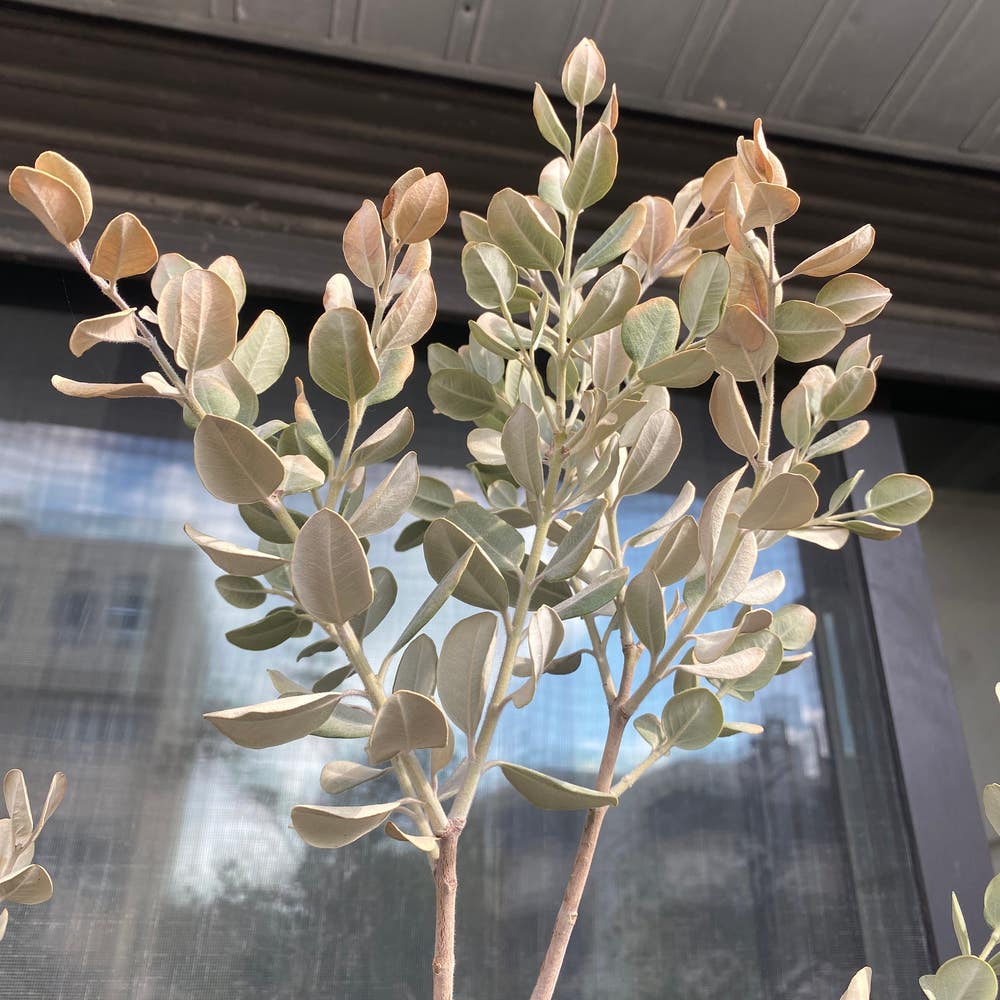
🎄 Propagating My Pōhutukawa: Step-by-Step Guide
Metrosideros excelsa
By the Greg Editorial Team
Jun 19, 2024•5 min read
This article was created with the help of AI so we can cover more plants for you. May contain errors. See one? Report it here.
Propagate your Pōhutukawa 🌱 and embrace a piece of New Zealand's summer magic at home.
- Seeds vs. cuttings: Choose based on desired traits and propagation speed.
- 🌱 Seed propagation needs: Mix, containers, warmth, light, and patience.
- ✂️ Cutting propagation essentials: Sharp shears, hormone, soil, humidity dome, and care.
Choosing Your Propagation Method
🌱 Seeds vs. Cuttings
When deciding between seeds and cuttings for propagating your Pōhutukawa, it's a toss-up between genetic diversity and replication fidelity. Seeds can be a wild card, offering a range of outcomes in your plants' traits. They're the go-to for a surprise in every sprout. On the flip side, cuttings are your cloning machines, ensuring the offspring are carbon copies of the parent plant.
Pros of Seeds:
- Genetic variety could bring pleasant surprises.
- Typically more cost-effective than cuttings.
- No risk of importing pests from other plants.
Cons of Seeds:
- Longer to mature—patience isn't just a virtue; it's a requirement.
- Germination rates can be unpredictable.
Pros of Cuttings:
- Quicker establishment with blooms potentially on the fast track.
- Assurance of identical plant characteristics.
Cons of Cuttings:
- Requires a parent plant in good health.
- Risk of transferring diseases or pests.
Preparing for Propagation
Before you dive into the propagation pool, you'll need to gear up. Here's your checklist to ensure you're not caught off guard:
For Seed Propagation:
- Seed-starting mix: A fine, well-aerated substrate is your seed's best friend.
- Containers: Anything from peat pots to plastic trays will do.
- Warmth: A heat mat can kickstart germination.
- Light: Bright but indirect to coax those seedlings out.
For Cutting Propagation:
- Sharp shears: Clean and disinfected, because hygiene is king.
- Rooting hormone: Not essential, but it's like a growth accelerator.
- Soil: Opt for something that drains well to avoid waterlogged woes.
- Humidity dome: Keeps moisture in check for those tender cuttings.
Remember, whether you choose seeds or cuttings, the key is to create a nurturing environment. Your Pōhutukawa's future depends on it.
Getting Down to Business: Seed Propagation
🌱 Collecting and Preparing Seeds
Harvesting Pōhutukawa seeds is a bit like a treasure hunt; you're after the tiny, precious cargo nestled within the capsules that follow the tree's vibrant red blooms. Once you've gathered these capsules, it's time to get your hands dirty. Crack them open to reveal the seeds, then give them a gentle brush-off to remove any chaff. Drying is crucial—spread them out on a paper towel and let them air out until they're as dry as a good sense of humor.
🌱 Sowing and Germinating Seeds
Now, the fun part: sowing. Grab a seed tray and fill it with a well-draining seed starting mix, because Pōhutukawa seeds detest soggy feet. Press the seeds lightly into the soil, but don't bury them; these little guys need light to kickstart germination. Consistent moisture is key, so mist the soil regularly to keep it as evenly moist as a morning dew. Patience is your new best friend here; germination can take a few weeks, so don't start obsessively checking for sprouts after just a couple of days. Keep the faith, and soon enough, you'll see the first signs of life as tiny seedlings start to emerge.
Branching Out: Cutting Propagation
🌱 Taking and Preparing Cuttings
To propagate Pōhutukawa through cuttings, select healthy branches. Look for stems with a robust appearance, free of disease and pests. Using sterilized tools, make a clean cut at a 45-degree angle just below a node to maximize the area for root growth.
🌿 Prepping Your Cuttings
Remove leaves from the lower half of the cutting to prevent rot, but leave a few at the top to keep photosynthesis going. Rooting hormone can significantly increase your chances of success, so consider giving the cut end a quick dip.
🌱 Rooting Your Cuttings
🌱 The Rooting Process
For rooting, stick the cutting in a well-draining soil mix, ensuring at least one node is buried. This is where roots will develop. Keep the soil consistently moist and place the cutting in a warm, bright area without direct sunlight.
🌱 Aftercare
Once roots establish, and you notice new growth, it's a sign your Pōhutukawa cutting is ready to transition to more independent living. Maintain a balance of moisture and light as your cutting adapts to its new environment.
Ensuring Propagation Success
🌱 Optimal Conditions for Propagation
Creating the perfect environment for Pōhutukawa propagation is key to success.
🏞️ Soil and Sunlight
Ensure your Pōhutukawa has loamy or sandy soil that drains well to stave off root rot. Position it to bask in at least six hours of direct sunlight daily, though it can tolerate some shade.
🌍 Climate and Spacing
Plant your Pōhutukawa in USDA Hardiness zones 10 and 11 for optimal growth. Space it out; give it 10 to 15 feet from other plants to allow its sprawling canopy room to flourish.
🕰️ Timing
The best time to plant is from mid-fall to early spring. This gives your Pōhutukawa a head start to establish itself before the growing season.
🌱 Transplanting and Early Care
📦 When to Transplant
Transplant your Pōhutukawa when it has developed a robust root system. This is typically after the first growing season.
🌱 How to Transplant
Handle with care. Dig a hole that's twice as wide as the root ball but no deeper. Keep the soil level consistent to avoid burying the trunk too deep.
🚿 Post-Transplant Care
Water regularly but don't overdo it. Prune any infected leaves to prevent disease spread and maintain a healthy growth habit. Remember, this tree is a survivor, often living for centuries, so give it the start it deserves.
⚠️ Safety First
This content is for general information and may contain errors, omissions, or outdated details. It is not medical, veterinary advice, or an endorsement of therapeutic claims.
Always consult a qualified healthcare professional before using any plant as food, medicine, or supplement.
Never eat any plant (or feed one to pets) without confirming its identity with at least two trusted sources.
If you suspect poisoning, call Poison Control (800) 222-1222, the Pet Poison Helpline (800) 213-6680, or your local emergency service immediately.
Spotted an error? Please report it here.
Propagate your Pōhutukawa with confidence, as Greg guides you through each step 🌱, from seed to sprout, with custom care reminders and a supportive community.