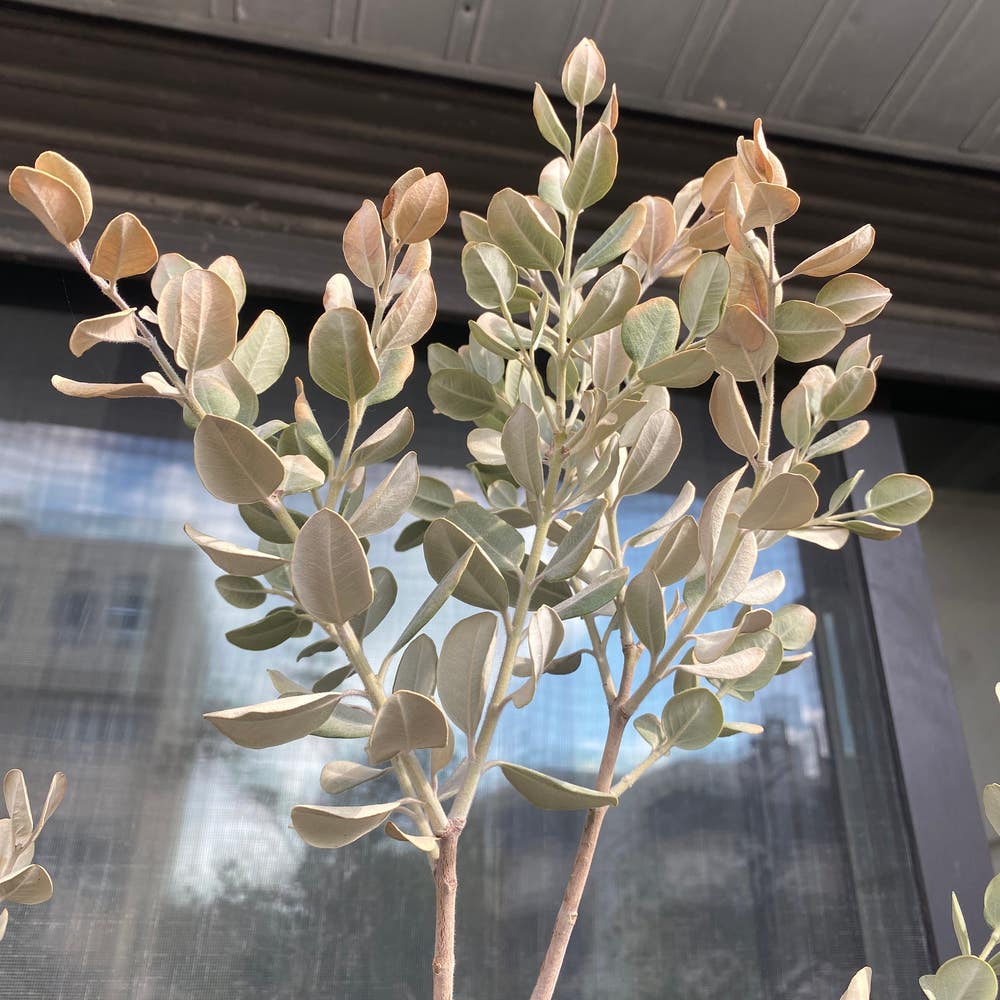
🎄 How to Fix Curling Leaves on Your New Zealand Christmas Tree
Metrosideros excelsa
By the Greg Editorial Team
Nov 08, 2024•6 min read
This article was created with the help of AI so we can cover more plants for you. May contain errors. See one? Report it here.
Revive your New Zealand Christmas tree from curling leaves 🌲 with these essential care tips for vibrant health! ✨
- 🌱 Curling leaves indicate stress from pests, nutrients, or environmental factors.
- 🌡️ Maintain 15°C to 25°C temperature and moderate humidity to prevent curling.
- 🌞 Ensure adequate light and regular inspections to keep your tree healthy.
Causes of Curling Leaves
🌡️ Environmental Stress Factors
Curling leaves on your New Zealand Christmas tree can often be traced back to environmental stress. Temperature extremes are a primary culprit; these trees thrive best in a range of 15°C to 25°C (59°F to 77°F).
Humidity also plays a crucial role. These trees prefer moderate humidity, and low levels can lead to significant stress, causing leaves to curl. Additionally, light exposure is vital; your tree needs full sun to partial shade, and inadequate light can trigger leaf curling.
🥦 Nutrient Deficiencies
Nutrient deficiencies can exacerbate the curling issue. A nitrogen deficiency is particularly concerning, as it manifests through yellowing leaves and stunted growth.
Potassium deficiency is another red flag, leading to curling leaves and browning at the edges. To combat these issues, balanced fertilization is essential for optimal growth.
🐛 Pests and Diseases
Common Pests
Pests can wreak havoc on your tree's health. Aphids, small green insects, suck sap from the leaves, leading to curling.
Spider mites are another threat; these tiny pests create webbing and cause stippling on leaves, further contributing to the curling problem.
🍄 Fungal Infections
Fungal infections can also be a significant factor. Phytophthora root rot is a notorious soil-borne pathogen that can lead to wilting and leaf curl.
Symptoms of fungal infections include darkened roots, leaf discoloration, and curling, making it crucial to monitor your tree's health closely.
Understanding these causes is the first step in addressing curling leaves effectively. Next, we'll explore how to diagnose the specific issues affecting your tree.
Diagnosing Curling Leaves
Identifying Symptoms of Leaf Curl 🌿
Curling leaves can signal various issues with your New Zealand Christmas tree. Look for visual signs such as curling edges, discoloration, and wilting, which indicate that something is amiss.
Patterns of curl can also provide clues. Uniform curling might suggest environmental stress, while localized damage could point to pest infestations or specific nutrient deficiencies.
Differentiating Between Pest Damage and Environmental Stress 🐛
To determine if pests are the culprits, inspect your tree closely. Look for visible insects, webbing, or sticky residue, which are clear indicators of pest damage.
On the other hand, environmental stress manifests differently. Check for signs of inadequate light, temperature extremes, or humidity issues, as these factors can also lead to curling leaves.
Assessing Soil Moisture and Drainage Issues 💧
Soil moisture levels play a crucial role in your tree's health. Regularly check for signs of overwatering or underwatering, as both can lead to leaf curl.
Additionally, assessing drainage is vital. Ensure your soil has proper aeration and drainage to prevent root problems that could contribute to curling leaves.
Treating Curling Leaves
🌱 Step-by-Step Treatment for Nutrient Deficiencies
To tackle nutrient deficiencies, start with soil testing. This will help you identify the specific nutrient levels in your soil.
Next, apply a balanced fertilizer that is high in nitrogen and potassium. This combination is crucial for promoting healthy leaf growth.
After fertilization, monitoring is key. Keep an eye on your tree's response over the next 2 to 4 weeks to ensure it’s thriving.
🐞 Pest Control Methods
Organic Options
For organic pest control, neem oil is a fantastic choice. Apply it every 7 to 14 days, ensuring you cover all leaf surfaces for maximum effectiveness.
Insecticidal soap is another effective method, particularly against aphids and spider mites. Spray it directly on the pests, and repeat as necessary to keep infestations at bay.
Chemical Options
If organic methods aren’t cutting it, consider systemic insecticides. These are absorbed by the plant and can provide long-lasting protection. Follow the application guidelines carefully to avoid harming beneficial insects.
🌍 Addressing Environmental Stress
Environmental stress can also lead to curling leaves. Start by adjusting the light exposure. If your tree isn’t getting enough sunlight, move it to a sunnier spot, or provide shade if it’s getting too much.
Increasing humidity can also help. Use a humidifier or place pebble trays filled with water near your tree to create a more favorable environment.
By addressing these factors, you can significantly improve the health of your New Zealand Christmas tree and prevent further curling leaves. Next, let’s explore how to prevent these issues from arising in the first place.
Preventing Curling Leaves
🌱 Best Practices for Soil Preparation and Maintenance
To keep your New Zealand Christmas tree thriving, start with soil preparation. Incorporating organic matter, like compost, enhances drainage and provides essential nutrients.
Regular soil testing is crucial. Aim to test your soil at least once a year to ensure it maintains a healthy nutrient balance.
🐛 Regular Monitoring for Pests and Diseases
Stay proactive by scheduling weekly inspections of your tree. Look for any signs of pests or diseases, as early detection can save your plant from significant damage.
Addressing issues promptly is key. If you spot any problems, take action immediately to prevent them from worsening.
🌼 Seasonal Care Tips to Promote Healthy Growth
In spring, fertilize your tree with a balanced fertilizer to support new growth. Timing is essential; apply it as the growing season begins for the best results.
During winter, protect your tree from cold stress. Consider wrapping it or placing it in a sheltered location to shield it from harsh weather conditions.
By following these preventive measures, you can help your New Zealand Christmas tree flourish and avoid the frustration of curling leaves. Next, let’s explore how to ensure long-term plant health for sustained growth and resilience.
Long-term Plant Health
💧 Importance of Proper Watering Techniques
Maintaining optimal soil moisture is crucial for your New Zealand Christmas tree's health. Watering frequency should be adjusted based on the season; generally, aim for once a week, allowing the top inch of soil to dry out between waterings.
Recognizing the signs of overwatering and underwatering is essential. Overwatered plants may exhibit yellowing leaves and root rot, while underwatered trees often show wilting and crispy leaf edges.
🗓️ Fertilization Schedule
A consistent fertilization schedule is key to promoting robust growth. It's recommended to fertilize every 4-6 weeks during the growing season to ensure your tree receives the necessary nutrients.
When choosing fertilizers, consider both organic and synthetic options. Organic fertilizers improve soil health over time, while synthetic fertilizers provide a quick nutrient boost.
✂️ Pruning and Maintenance to Enhance Resilience
Pruning is vital for maintaining the shape and health of your tree. Aim to prune during the dormant season, removing any dead or diseased branches to encourage new growth.
Regular maintenance practices, such as inspecting for pests and diseases, can prevent potential issues. A quick weekly check can help you catch problems early, ensuring your tree remains vibrant and resilient.
By following these long-term care strategies, you can foster a thriving New Zealand Christmas tree that will bring joy for years to come. Next, let's explore how to prevent curling leaves before they become a problem.
⚠️ Safety First
This content is for general information and may contain errors, omissions, or outdated details. It is not medical, veterinary advice, or an endorsement of therapeutic claims.
Always consult a qualified healthcare professional before using any plant as food, medicine, or supplement.
Never eat any plant (or feed one to pets) without confirming its identity with at least two trusted sources.
If you suspect poisoning, call Poison Control (800) 222-1222, the Pet Poison Helpline (800) 213-6680, or your local emergency service immediately.
Spotted an error? Please report it here.
Keep your New Zealand Christmas tree curl-free 🌲 by using Greg's tailored care tips and reminders to maintain the perfect environment and nutrient balance for vibrant growth!