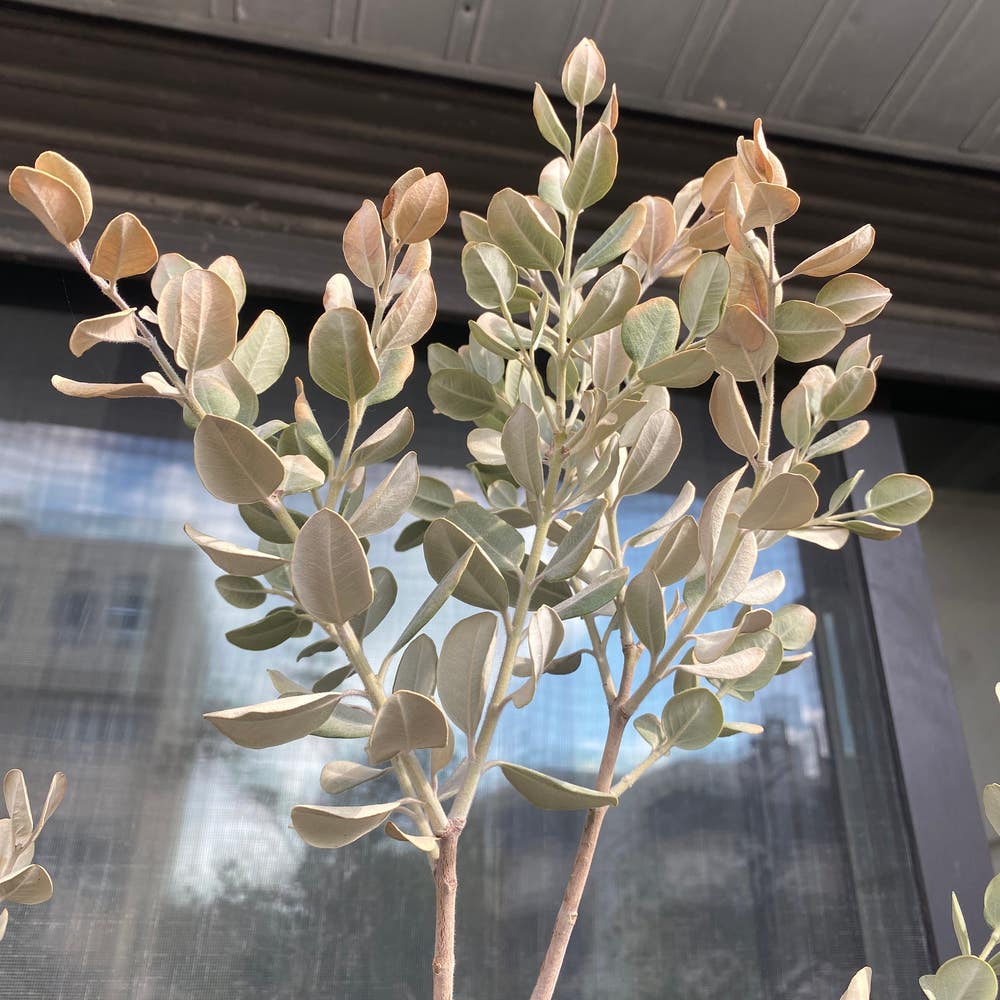
How to Fix Droopy Leaves on Your New Zealand Christmas Tree 🎄
Metrosideros excelsa
By the Greg Editorial Team
Nov 08, 2024•5 min read
This article was created with the help of AI so we can cover more plants for you. May contain errors. See one? Report it here.
Transform your droopy New Zealand Christmas Tree into a vibrant centerpiece 🌲 with these essential care tips for thriving leaves!
- 🌱 Droopy leaves indicate stress from watering, pests, or nutrient deficiencies.
- 🌡️ Ideal temperature for your tree is 15°C to 25°C (59°F to 77°F).
- 💧 Maintain humidity levels of 40%-60% to prevent droopy leaves.
Causes of Droopy Leaves
🌪️ Environmental Stress Factors
Temperature plays a crucial role in the health of your New Zealand Christmas Tree. The ideal range is between 15°C to 25°C (59°F to 77°F); temperatures outside this range can stress the plant.
Humidity is another key factor. This tree thrives in moderate humidity levels of 40%-60%. If the air is too dry, you may notice the leaves wilting.
💧 Watering Issues
Watering practices can significantly impact your tree's vitality. Overwatering is a common mistake, leading to soggy soil, yellowing leaves, and even root rot.
On the flip side, underwatering can also cause distress. Symptoms include dry, crispy leaves and soil pulling away from the pot edges, indicating your tree is thirsty.
🥦 Nutrient Deficiencies
Nutrient deficiencies can manifest as droopy leaves. Nitrogen is essential for robust leaf growth; without it, leaves may yellow and droop.
Magnesium is another vital nutrient, crucial for chlorophyll production. A deficiency can lead to curling leaves and droopiness, signaling that your tree needs a nutrient boost.
🐛 Pest Infestations
Pests can wreak havoc on your New Zealand Christmas Tree. Common culprits like scale insects and aphids sap nutrients, leading to droopy leaves.
Look for signs of infestation, such as sticky residue on leaves, visible insects, and leaf discoloration. Early detection is key to preventing further damage.
Understanding these causes is the first step toward reviving your tree. Next, we’ll explore how to diagnose droopy leaves effectively.
Diagnosing Droopy Leaves
👀 Visual Signs to Look For
When diagnosing droopy leaves on your New Zealand Christmas Tree, start by observing color changes. Yellowing or browning leaves often signal stress, while wilting or limp leaves indicate potential water-related issues.
💧 Assessing Soil Moisture Levels
Next, check the soil moisture to determine if your tree is getting enough water. Insert your finger about 1-2 inches into the soil; if it feels dry, your tree may be underwatered.
For more precise readings, consider using a moisture meter. This tool can help you monitor soil conditions more accurately, ensuring your tree receives the right amount of hydration.
🐛 Checking for Pests and Diseases
Inspect your tree for pests and diseases, as these can also contribute to droopy leaves. Look under the leaves and along the stems for any visible pests.
Additionally, be on the lookout for signs of fungal infections, which may appear as spots or mold on the leaves. Catching these issues early can make a significant difference in your tree's recovery.
With these diagnostic steps, you can identify the root cause of droopy leaves and take appropriate action. Next, let’s explore effective solutions to revive your New Zealand Christmas Tree.
Solutions for Droopy Leaves
🌊 Adjusting Watering Practices
To revive your New Zealand Christmas Tree, start by determining the correct watering frequency. Water when the top 1-2 inches of soil feel dry to the touch.
Next, use well-draining soil to prevent waterlogging, which can suffocate roots. Ensure your pots have drainage holes to allow excess water to escape, keeping your plant happy and healthy.
🌱 Fertilization Tips
Fertilization plays a crucial role in maintaining leaf health. Opt for a balanced, slow-release fertilizer that includes essential micronutrients.
Apply this fertilizer every 4-6 weeks during the growing season to support robust growth and vibrant leaves. This consistent feeding will help your tree thrive.
🐞 Pest Control Methods
Pest infestations can lead to droopy leaves, so it's essential to address this issue promptly. For organic pest control, consider introducing beneficial insects like ladybugs or using insecticidal soap.
If the infestation is severe, targeted chemical pesticides may be necessary. Always follow label instructions to ensure safe and effective application.
By implementing these solutions, you can help your New Zealand Christmas Tree recover from droopy leaves and flourish once again. Next, let’s explore how to prevent droopy leaves in the future.
Preventing Droopy Leaves
🌱 Best Practices for Care
To keep your New Zealand Christmas Tree thriving, start with light. Ensure it receives bright, indirect sunlight, which is crucial for optimal growth.
Humidity is another key factor. Maintain humidity levels by misting the leaves or using a humidity tray to create a more favorable environment.
Temperature stability is essential as well. Keep your tree in a consistent environment, avoiding drafts and sudden temperature changes that can stress the plant.
🍂 Seasonal Adjustments
As the seasons change, so should your care routine. In summer, increase watering frequency due to higher evaporation rates, ensuring the soil remains adequately moist.
In winter, reduce watering as the tree enters dormancy. Be vigilant about monitoring for dry indoor air, which can lead to droopy leaves.
🔧 Regular Maintenance Tips
Regular maintenance is vital for long-term health. Prune dead or damaged leaves to encourage new growth and maintain the tree's appearance.
Consider repotting your New Zealand Christmas Tree every 2-3 years. This refreshes the soil and provides ample space for growth, helping to prevent droopy leaves.
By following these best practices and adjustments, you can create an environment where your New Zealand Christmas Tree flourishes. This proactive approach not only enhances its health but also brings joy to your space.
Next, let’s explore how to monitor recovery signs after addressing droopy leaves.
Aftercare for Recovery
👀 Monitoring Recovery Signs
Once you've implemented your recovery strategies, keep an eye out for improvement indicators. Look for new growth, firm leaves, and vibrant color as signs that your New Zealand Christmas Tree is bouncing back.
Recovery can take several weeks, so patience is key. Don't be discouraged if you don't see immediate results; plants often need time to adjust and thrive again.
📅 Long-term Care Strategies
To maintain leaf health, establish a consistent watering and fertilization schedule. Regularly check your tree's moisture levels and feed it with a balanced fertilizer to support ongoing growth.
Additionally, make it a habit to inspect your tree for pests and diseases. Early detection can save your plant from more significant issues down the line, ensuring it remains healthy and vibrant for years to come.
⚠️ Safety First
This content is for general information and may contain errors, omissions, or outdated details. It is not medical, veterinary advice, or an endorsement of therapeutic claims.
Always consult a qualified healthcare professional before using any plant as food, medicine, or supplement.
Never eat any plant (or feed one to pets) without confirming its identity with at least two trusted sources.
If you suspect poisoning, call Poison Control (800) 222-1222, the Pet Poison Helpline (800) 213-6680, or your local emergency service immediately.
Spotted an error? Please report it here.
Keep your New Zealand Christmas Tree perky and lush 🌲 by using Greg's tailored watering and nutrient reminders to combat droopy leaves and ensure optimal growth!