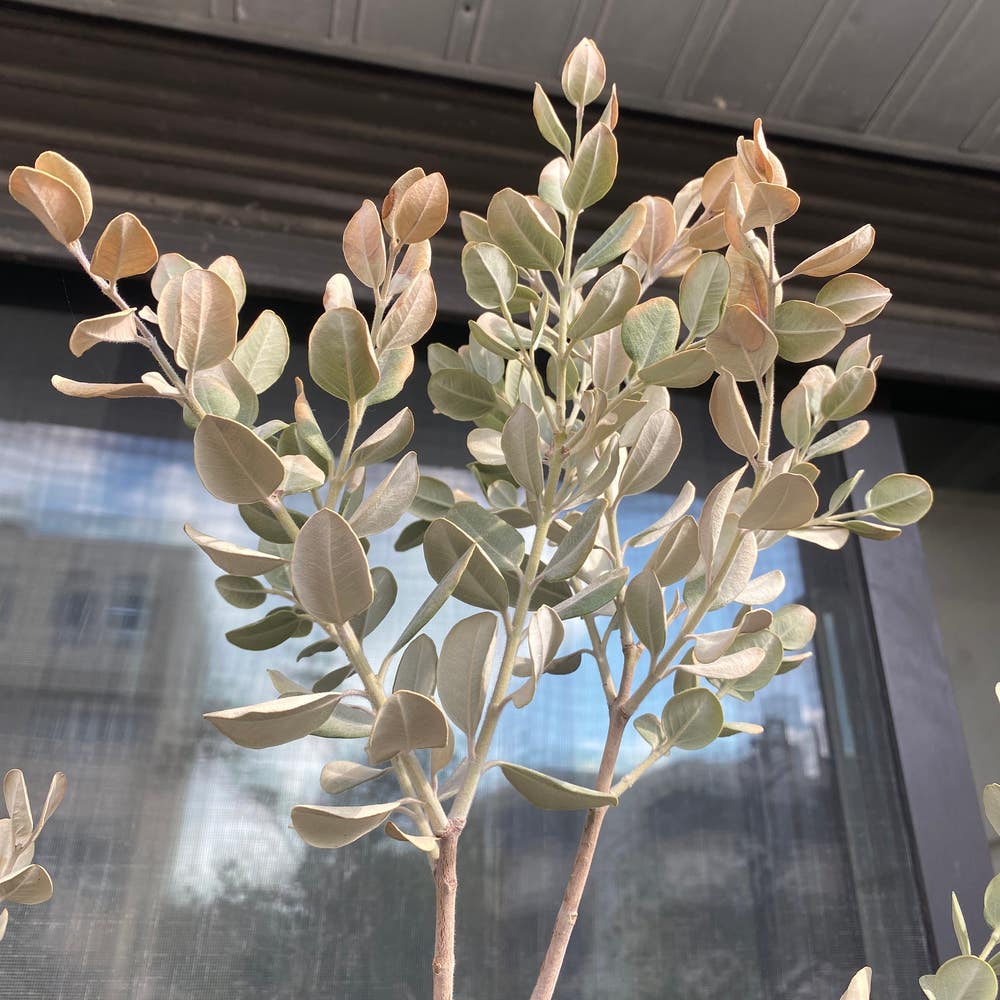
Am I Starving My Pōhutukawa? Fertilizing 101
Metrosideros excelsa
By the Greg Editorial Team
Jan 24, 2024•5 min read
This article was created with the help of AI so we can cover more plants for you. May contain errors. See one? Report it here.
Nurture a vibrant Pōhutukawa 🌺 with the secrets of perfect fertilizing timing and balance—no more guesswork!
- 🌸 Spring fertilizing kickstarts Pōhutukawa growth; avoid winter to conserve energy.
- N-P-K ratios matter for selecting the right fertilizer; organic vs. synthetic options.
- Watch for signs of under or over-fertilization: faded or burnt leaves.
Timing is Everything: When to Fertilize Your Pōhutukawa
⏰ Reading the Seasons: Aligning Fertilization with Growth Cycles
Your Pōhutukawa isn't just any plant; it's a living calendar, with growth cycles that ebb and flow with the seasons. Timing is crucial. Fertilize in the spring to kickstart the growth season when your tree is emerging from its winter slumber. This is when it's ready to soak up nutrients and burst into life.
During the dormant winter months, ease off. Over-fertilizing is like throwing a party when everyone's asleep—pointless and disruptive. Instead, let your tree rest, conserving its energy for the upcoming growth spurt.
🌺 Pre-Bloom Prep: Timing Fertilizer for Lush Flowers
To get those iconic crimson blooms, your Pōhutukawa needs a pre-bloom boost. Phosphorus is your go-to nutrient here, vital for encouraging those lush flowers. Apply a high-phosphorus fertilizer in late winter or early spring, just before the first signs of new growth.
Remember, the Pōhutukawa's flowering is a performance, and phosphorus is the lead actor. But don't ignore the supporting cast—potassium and nitrogen are also key players in this floral show. Keep an eye out for the first buds and time your fertilization just right, ensuring a spectacular display at Christmas time.
Choosing Your Pōhutukawa's Meal: Selecting the Right Fertilizer
🌱 Balancing the Diet: N-P-K Ratios and What They Mean for Pōhutukawa
When it comes to N-P-K ratios, think of them as the nutritional label on your Pōhutukawa's snack pack. Nitrogen is all about that verdant leafy growth, while Phosphorus takes charge of root development and those show-stopping blooms. Potassium is the plant's personal trainer, keeping it fit and resilient. A balanced meal, say a 10-10-10 ratio, can keep your Pōhutukawa in tip-top shape.
🌿 The Organic Route vs. Synthetic Solutions: Pros and Cons
Organic fertilizers are the slow food movement of plant nutrition. They release nutrients at a leisurely pace, which is great for building soil health and reducing the risk of overfeeding. However, they might test your patience if you're eager for quick results. Synthetic fertilizers, on the other hand, are like a shot of espresso for your Pōhutukawa—fast-acting and potent. But beware, they can lead to the equivalent of a nutrient crash if not used with a careful hand. The choice boils down to whether you're in it for the marathon or the sprint.
Serving the Feast: Fertilizing Techniques for Pōhutukawa
💡 Dosage and Frequency: How Much and How Often?
Spring is the season of growth for Pōhutukawa, and that's when you should roll up your sleeves for the fertilizing gig. Once a year does the trick, aligning with the tree's natural growth spurt. Think of it as an annual birthday bash for your Pōhutukawa, except you're serving nutrients instead of cake.
🌱 Root Zone Rituals: Where to Apply Fertilizer
🌿 The Soil Surface Shuffle
Don't bury the fertilizer like treasure; it's not a time capsule. Spread it on the soil surface around the tree, avoiding the trunk like it's got cooties. This technique lets the rain do the heavy lifting, washing the nutrients down to the roots, ensuring they soak up the good stuff without you breaking a sweat.
💧 The Liquid Boost Boogie
If your Pōhutukawa's leaves start throwing a yellow tantrum, it's time for a liquid fertilizer encore. This is like giving your tree a quick energy drink—it's not essential, but it can help perk things up. Just remember, foliar feeding is a supplement, not a substitute for the main event.
🌿 The Top Dressing Twist
For a slow-release nutrient party, consider top dressing. It's like a slow jam at the end of the night, providing a steady stream of nutrients without any root disturbance. Plus, it's a great way to minimize effort if you're not into the whole repotting scene.
👀 The Watchful Eye Waltz
Keep an eye on your green buddy after feeding. If it starts looking more vibrant, you've nailed it. But if it seems like it's had too much of a good thing, ease up. Over-fertilizing is like overwatering your guests at a party—no one wants that kind of hangover.
Reading the Leaves: Recognizing Fertilization Needs and Overdoses
🌱 Telltale Signs Your Pōhutukawa is Hungry
Your Pōhutukawa's leaves are whispering for nutrients if they start to look more like faded denim than lush greenery. Yellowing leaves can scream "feed me!" especially if they once basked in a richer hue. When the branches seem to sport more air than foliage, it's a clear cry for a nutritional pick-me-up.
🚨 Symptoms of Overindulgence and How to Dial Back
Conversely, leaves with burnt tips or edges are practically waving red flags, signaling an over-fertilization faux pas. A white crust on the soil surface is the plant equivalent of saying, "I'm stuffed!" If your Pōhutukawa's growth has hit the brakes, it might be time to ease up on the nutrient nosh. Prune the damaged leaves; they're past the point of no return. Remember, it's a fine line between a feast and a fiasco.
⚠️ Safety First
This content is for general information and may contain errors, omissions, or outdated details. It is not medical, veterinary advice, or an endorsement of therapeutic claims.
Always consult a qualified healthcare professional before using any plant as food, medicine, or supplement.
Never eat any plant (or feed one to pets) without confirming its identity with at least two trusted sources.
If you suspect poisoning, call Poison Control (800) 222-1222, the Pet Poison Helpline (800) 213-6680, or your local emergency service immediately.
Spotted an error? Please report it here.
Revitalize your Pōhutukawa's blooms with precision timing ⏰ by letting Greg remind you when it's the perfect season to fertilize, ensuring you never miss a beat.