🦜 What Temperature Does My Parrot Impatiens Need?
Impatiens niamniamensis
By the Greg Editorial Team
Feb 09, 2024•4 min read
This article was created with the help of AI so we can cover more plants for you. May contain errors. See one? Report it here.
- 65°F to 75°F is ideal for Parrot Impatiens' health and blooms.
- 🌡️ Consistent temperature prevents stress, watch for wilting or discoloration.
- Seasonal care adjustments protect against heat and cold extremes.
Keeping It Cozy: The Parrot Impatiens Temperature Sweet Spot
🌡️ What's the Magic Number?
Parrot Impatiens bask in a temperature range of 65°F to 75°F. This is their comfort zone, where they can strut their vibrant colors without breaking a sweat.
🔒 Consistency is Key
Maintaining a consistent temperature is like a secret handshake for Parrot Impatiens' health and flowering prowess. Fluctuations? They're not fans.
🌬️ Seasonal Adjustments
As seasons change, so should your care strategy. Adjust temperatures gently to keep your Parrot Impatiens from throwing a fit. In the heat of summer, provide shade; in winter, consider a cozy indoor spot.
When Your Plant's Feeling the Heat: Spotting Temperature Stress
🌡️ Telltale Signs of Too Hot or Too Cold
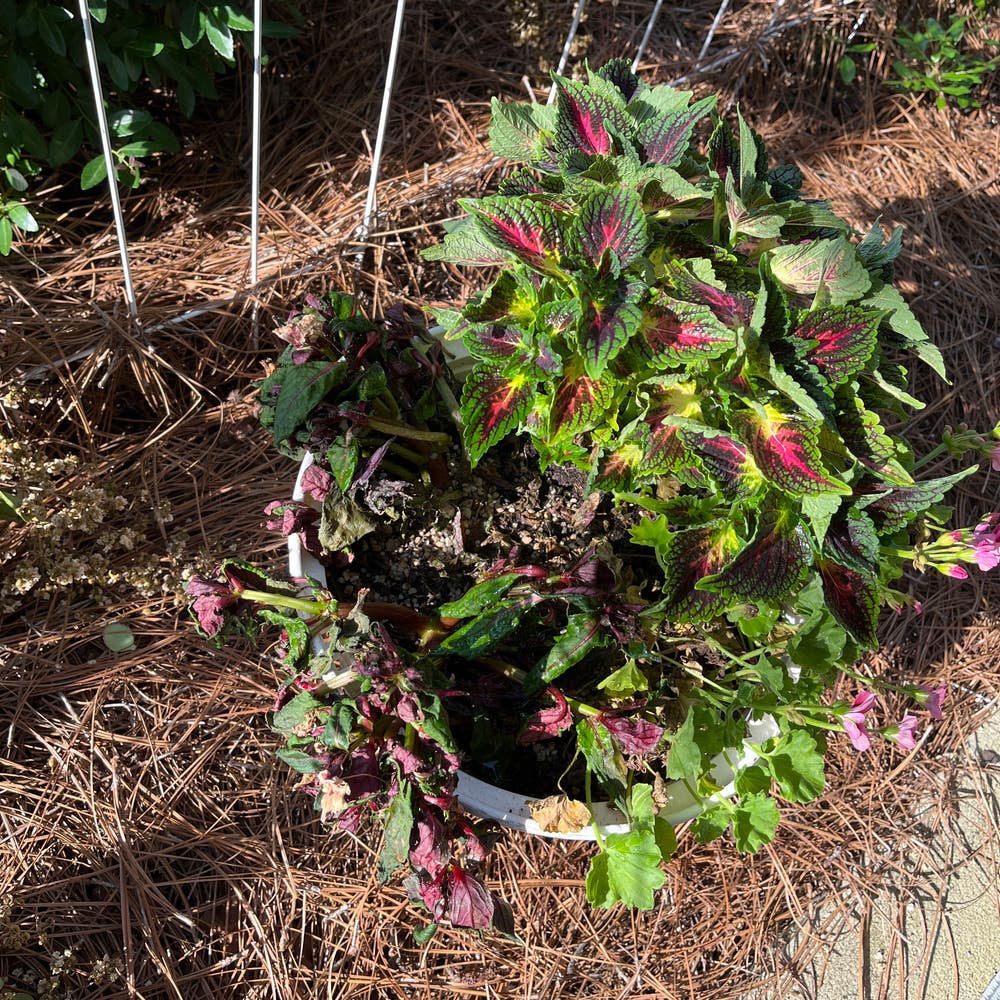
Parrot Impatiens are like Goldilocks' favorite porridge—they prefer it just right. When temperatures stray from their comfort zone, the plants will let you know. Wilting or leaf discoloration are the first red flags; yellow leaves are the plant's way of saying it's too hot, while brown spots signal a cold snap.
🌸 From Blooming to Gloom: How Temperature Affects Flowering
Temperature swings can turn a blooming paradise into a floral wasteland. When it's too hot, Parrot Impatiens might enter a flowering frenzy as a stress response, only to exhaust themselves and stop blooming prematurely. Conversely, when it's too cold, flower buds might as well be in hibernation, refusing to open and show their vibrant colors. Keep an eye out for these signs, and remember—steady temperatures mean steady flowering.
Staying Cool (or Warm): Managing Temperature Extremes
🌞 Battling the Blaze: Protecting from Heat Stress
In the throes of summer, Parrot Impatiens can suffer from the intense heat. Shade is your first line of defense; position your plants where they'll be shielded during the hottest parts of the day. Consider using a shade cloth to diffuse direct sunlight, ensuring your vibrant blooms don't become sun-scorched relics.
For potted plants, relocating them to cooler areas can be a game-changer. Indoors, keep them away from south-facing windows that magnify the sun's rays. If you're dealing with an outdoor garden, strategic watering in the early morning or evening helps the soil retain moisture without the evaporation that midday sun causes.
❄️ Winter Warriors: Insulating Against the Cold
As temperatures dip, your Parrot Impatiens need a warm embrace. Insulation is key; think of it as a cozy blanket for your plant's roots. Mulching around the base can protect against the cold creeping in. For potted friends, consider moving them indoors or into a greenhouse where you can control the climate.
Don't let your guard down during those deceptive spring frosts. A sudden chill can be a silent assassin for tender blooms. Keep an eye on weather forecasts and be ready to act. Use cloches or frost blankets as a knight's armor against the cold nights. Remember, consistency isn't just a virtue; it's a necessity for these tropical treasures to thrive.
A Quick Nod to Humidity
💦 Humidity's Supporting Role
While temperature takes center stage in caring for Parrot Impatiens, humidity plays a crucial supporting role. Ensuring the right humidity levels is akin to providing a comfortable environment for your plant's leaves to thrive.
🌿 The Ideal Humidity Range
Parrot Impatiens flourish with humidity levels around 50%. This is the sweet spot that keeps the foliage lush without inviting unwanted issues like fungal diseases or root rot.
📊 Monitoring and Adjusting Humidity
To keep tabs on humidity, use a hygrometer. It's an essential tool to ensure you're not flying blind when it comes to moisture in the air.
💡 Humidity Control Tips
- Water wisely, focusing on the soil to avoid creating a high-humidity microclimate around your plants.
- Ensure good airflow to maintain appropriate humidity levels and prevent disease.
- Consider grouping plants to create a microclimate of shared humidity, but avoid creating overly arid or moist conditions.
Remember, while humidity might not be the lead actor, it's a critical part of the ensemble cast that helps your Parrot Impatiens put on a spectacular show.
⚠️ Safety First
This content is for general information and may contain errors, omissions, or outdated details. It is not medical, veterinary advice, or an endorsement of therapeutic claims.
Always consult a qualified healthcare professional before using any plant as food, medicine, or supplement.
Never eat any plant (or feed one to pets) without confirming its identity with at least two trusted sources.
If you suspect poisoning, call Poison Control (800) 222-1222, the Pet Poison Helpline (800) 213-6680, or your local emergency service immediately.
Spotted an error? Please report it here.
Keep your Parrot Impatiens in peak bloom 🌡 by using Greg to track and adjust your garden's climate, ensuring a thriving environment without the guesswork.