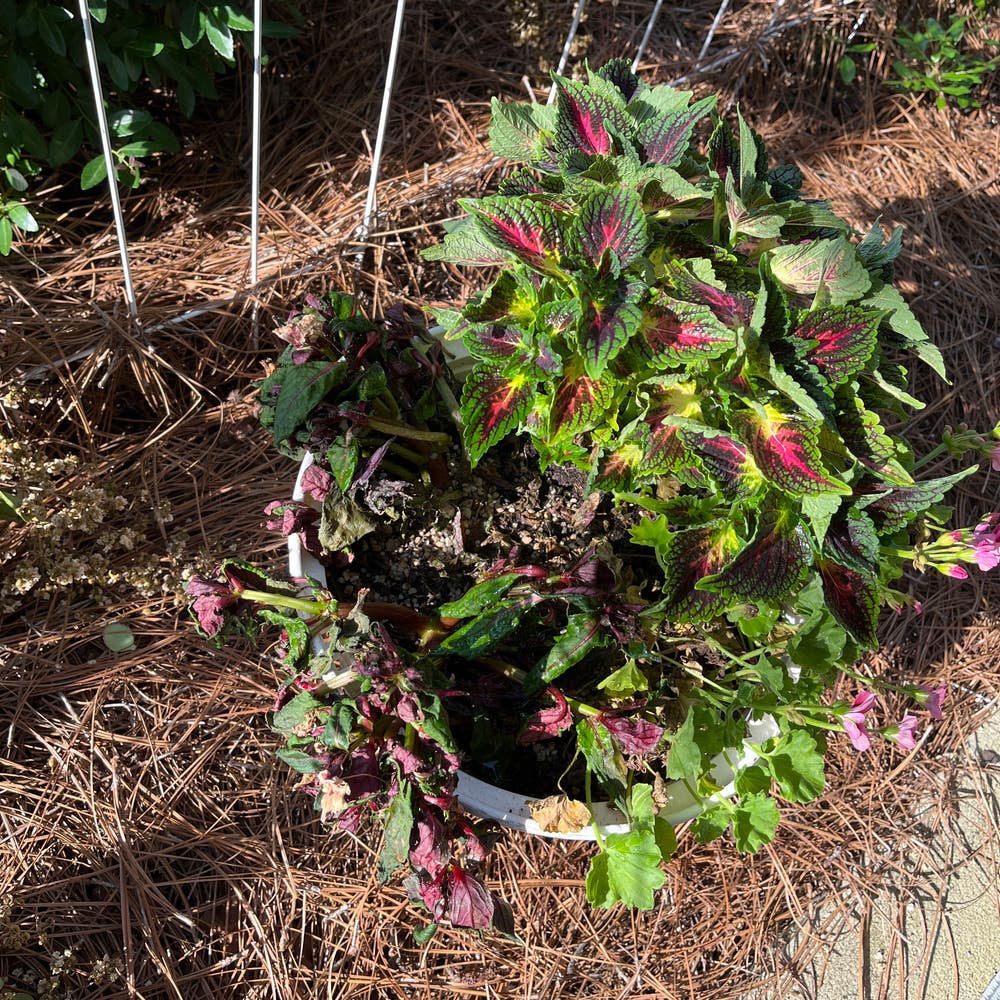
🐦 What's Eating Your Congo Cockatoo
Impatiens niamniamensis
By the Greg Editorial Team
Oct 11, 2024•6 min read
This article was created with the help of AI so we can cover more plants for you. May contain errors. See one? Report it here.
- 🦜 Identify common herbivores like deer and rabbits that threaten your Congo Cockatoo.
- 🚨 Look for signs of damage such as droppings and chewed bark to assess threats.
- 🌱 Use organic deterrents like garlic and fencing to protect your plants effectively.
Common Herbivores Affecting Congo Cockatoo
🦌 Deer
Signs of presence and damage
Look for hoof prints in muddy areas and stripped leaves or young shoots. These signs indicate that deer are browsing in your garden.
Impact on the plant (beneficial or harmful)
Deer are generally harmful to plants, as they can decimate young growth and hinder overall development. Their appetite can lead to significant setbacks for your Congo Cockatoo.
Deterrent methods
To keep deer at bay, consider using commercial deer repellents. Organic methods like erecting 8-foot tall fences or planting deer-resistant plants nearby can also be effective.
🐇 Rabbits
Signs of presence and damage
Rabbits leave small, round droppings near plants and often create clean cuts on stems and leaves. These signs are clear indicators of their presence.
Impact on the plant (beneficial or harmful)
Rabbits are generally harmful, as they can severely stunt growth and even lead to plant death. Their nibbling can be devastating for your Congo Cockatoo.
Deterrent methods
Bitter-tasting sprays can deter rabbits effectively. Additionally, fencing that is 2-3 feet high or using natural repellents like garlic or hot pepper can help protect your plants.
🐿️ Squirrels
Signs of presence and damage
Look for chewed bark, missing fruits, and nesting debris in nearby trees. These signs reveal that squirrels are active in your garden.
Impact on the plant (beneficial or harmful)
Squirrels are generally harmful, damaging branches and fruits, which affects the overall health of your plants. Their antics can lead to long-term issues for your Congo Cockatoo.
Deterrent methods
Squirrel repellents can be useful, but consider organic methods like motion-activated sprinklers or planting squirrel-resistant varieties to keep them away.
🐦 Birds
Signs of presence and damage
Peck marks on fruits and flowers, along with nesting activity nearby, signal bird presence. These signs can indicate both beneficial and harmful interactions.
Impact on the plant (beneficial or harmful)
Birds have a mixed impact; while some assist with pollination, others can cause damage. It's essential to monitor their activity to gauge their effect on your plants.
Deterrent methods
Bird netting serves as an effective chemical deterrent. For organic methods, try scare tactics like reflective tape or wind chimes to keep them at bay.
🐭 Rodents (mice, voles, etc.)
Signs of presence and damage
Tunnels or burrows near the plant base and chewed roots and stems are clear signs of rodent activity. These indicators can lead to significant plant damage.
Impact on the plant (beneficial or harmful)
Rodents are generally harmful, causing considerable root damage and plant decline. Their presence can jeopardize the health of your Congo Cockatoo.
Deterrent methods
Rodent bait stations can be effective, but consider more organic methods like traps or planting mint and using essential oils as repellents.
🦡 Groundhogs/Woodchucks
Signs of presence and damage
Look for large burrows near your plants and grazing marks on lower leaves and stems. These signs indicate that groundhogs are feasting on your garden.
Impact on the plant (beneficial or harmful)
Groundhogs are generally harmful, as they can completely strip plants and cause severe damage. Their appetite can devastate your Congo Cockatoo.
Deterrent methods
Commercial repellents can help deter groundhogs, but organic methods like fencing that is 3-4 feet high or using castor oil as a repellent can also be effective.
Understanding these common herbivores and their impacts is crucial for protecting your Congo Cockatoo. With the right deterrent methods, you can create a thriving environment for your plants. Next, let’s explore the beneficial animals that can enhance your garden ecosystem.
Beneficial Animals and Their Role
🐝 Description of Beneficial Animals Attracted to Congo Cockatoo
Congo Cockatoos thrive in environments enriched by beneficial animals. Pollinators like bees and butterflies flock to their vibrant flowers, playing a crucial role in the plant's reproductive success.
In addition to pollinators, predatory insects such as ladybugs and lacewings are essential. These tiny warriors help keep pest populations in check, ensuring a healthier garden ecosystem.
🌱 Positive Impacts on the Garden Ecosystem
The presence of these beneficial animals leads to enhanced pollination. This results in better fruit and seed production, which is vital for the plant's lifecycle.
Moreover, natural pest control reduces the need for chemical interventions. By fostering a diverse ecosystem, you create a balanced environment that supports both the Congo Cockatoo and its helpful companions.
Encouraging these beneficial animals not only protects your plants but also enriches your gardening experience. A thriving garden attracts life, creating a dynamic space filled with activity and growth.
General Strategies for Protection
🛡️ Preventive Measures for Protecting Congo Cockatoo
Protecting your Congo Cockatoo starts with preventive measures. Planting companion plants that deter herbivores can create a natural barrier, making your garden less appealing to unwanted visitors.
Regular monitoring for signs of animal activity is crucial. Keeping an eye out for tracks or damage allows you to act quickly before a small problem becomes a bigger issue.
⚠️ Reactive Solutions for Managing Animal Interactions
When herbivores do strike, immediate action is key. Remove damaged parts of the plant to prevent further attraction and minimize the risk of spreading any pests.
Using barriers and traps can also be effective. Fencing and traps can help keep herbivores at bay, ensuring your Congo Cockatoo remains safe.
🌱 Seasonal Variations in Animal Attraction to Congo Cockatoo
Be aware that animal activity can vary with the seasons. Increased herbivore activity often occurs in spring and early summer when young shoots are most vulnerable.
Adjust your protection methods based on these seasonal behaviors. Being proactive during peak times can save your plants from significant damage.
By implementing these strategies, you can create a thriving environment for your Congo Cockatoo while minimizing the impact of herbivores. Next, we’ll explore the toxicity and ecological interactions related to this unique plant.
Toxicity and Ecological Interactions
🐦 Toxic Effects of Congo Cockatoo on Animals
The Congo Cockatoo has mild toxicity in certain parts, which can act as a natural deterrent for some herbivores. This characteristic helps protect the plant from excessive grazing, allowing it to thrive in its environment.
🌍 Importance of a Balanced Ecosystem
While it's crucial to safeguard your Congo Cockatoo, it's equally important to recognize the role of herbivores in the ecosystem. These animals contribute to nutrient cycling and can even help maintain plant diversity.
Encouraging biodiversity in your garden promotes a healthy environment. By implementing protective measures while allowing for some herbivore activity, you can strike a balance that benefits both your plants and the local wildlife.
In the end, fostering a vibrant ecosystem not only enhances the beauty of your garden but also supports the intricate web of life that surrounds it. This holistic approach ensures that your Congo Cockatoo flourishes alongside its natural companions.
As we move forward, let's explore general strategies for protecting your Congo Cockatoo from common herbivores.
⚠️ Safety First
This content is for general information and may contain errors, omissions, or outdated details. It is not medical, veterinary advice, or an endorsement of therapeutic claims.
Always consult a qualified healthcare professional before using any plant as food, medicine, or supplement.
Never eat any plant (or feed one to pets) without confirming its identity with at least two trusted sources.
If you suspect poisoning, call Poison Control (800) 222-1222, the Pet Poison Helpline (800) 213-6680, or your local emergency service immediately.
Spotted an error? Please report it here.
Safeguard your Congo Cockatoo from herbivores and boost your garden's health 🌱 with Greg's personalized care tips and timely reminders to keep your plants thriving!