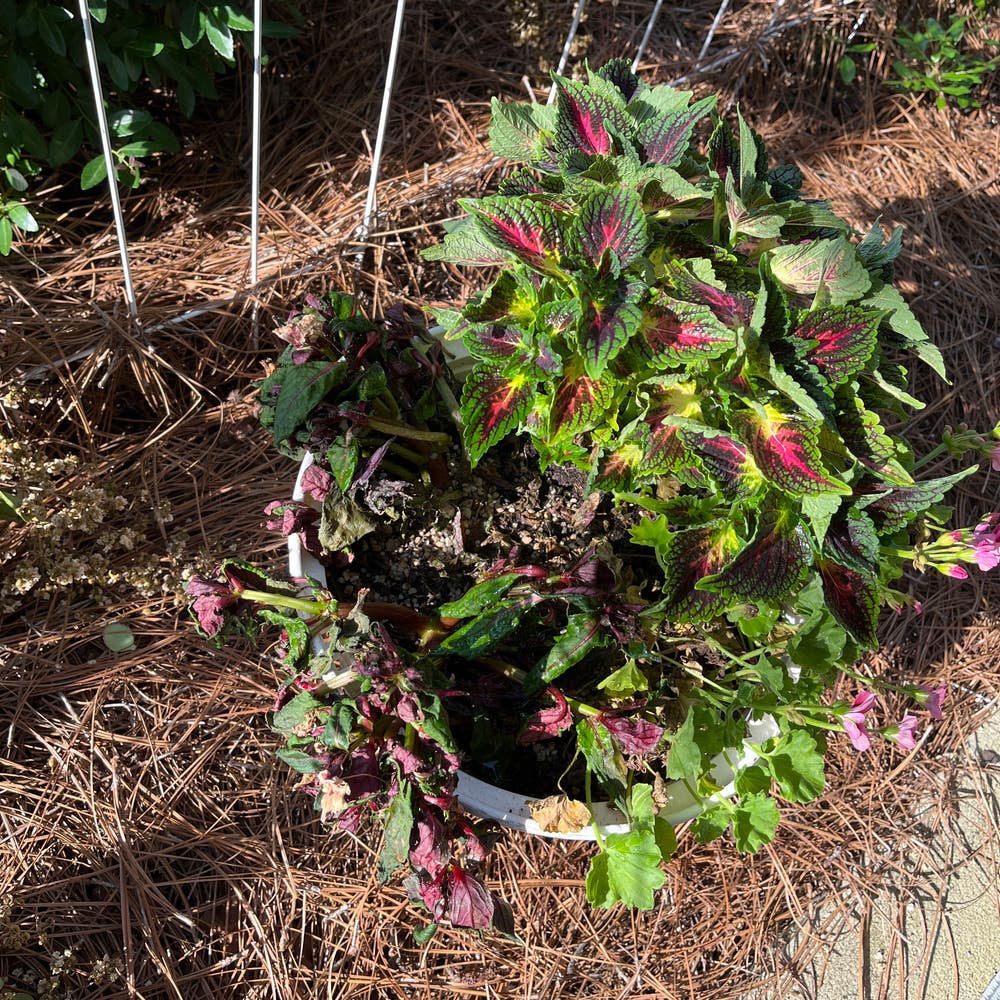
Top 3 Tips for Choosing Soil for Your Congo Cockatoo 🦜
Impatiens niamniamensis
By the Greg Editorial Team
Oct 11, 2024•4 min read
This article was created with the help of AI so we can cover more plants for you. May contain errors. See one? Report it here.
- 🌱 Healthy soil is crucial for your Congo Cockatoo's well-being; watch for mold and odors.
- 🧪 Test soil pH and nutrients regularly to ensure optimal plant growth for your bird.
- 🏡 Create a homemade soil mix with peat moss, perlite, and compost for best results.
Identifying Unhealthy Soil
Signs of Unhealthy Soil 🌱
Recognizing unhealthy soil is crucial for the well-being of your Congo Cockatoo's environment. Look for mold growth, which appears as white or green fuzzy patches on the surface.
Another red flag is unpleasant odors; if you detect sour or rotten smells, it indicates anaerobic conditions that can harm your plants. Lastly, poor drainage is a significant issue—if water pools on the surface after watering, your soil may be too compacted or heavy.
How to Test Soil Health 🔬
Testing your soil health can be straightforward. Start with a soil moisture test: squeeze a handful of soil; it should crumble easily, not form a ball.
Next, conduct pH testing using a soil pH meter or test kit to ensure your soil is within the optimal range. Finally, consider nutrient testing; home kits are available to check levels of nitrogen, phosphorus, and potassium, essential for plant growth.
Solutions for Unhealthy Soil Conditions 🛠️
If you discover moldy soil, act quickly. Remove the affected areas and replace them with fresh soil to prevent further issues.
Improving air circulation around the plant can also help combat mold. For general remediation, adjust your watering schedule to prevent over-saturation, and incorporate organic amendments to restore soil health.
By addressing these signs and testing your soil, you can create a thriving environment for your Congo Cockatoo. This proactive approach sets the stage for the next step: creating a homemade soil mix tailored to your needs.
Creating a Homemade Soil Mix
Ingredients for an Ideal Homemade Soil Mix 🌱
Creating the perfect soil mix for your Congo Cockatoo starts with the right ingredients. Aim for a blend that includes:
- Peat moss (40%): This component retains moisture, ensuring your plants stay hydrated.
- Perlite (30%): Essential for drainage, it prevents water from pooling and keeps roots healthy.
- Organic compost (30%): Packed with nutrients, compost enriches the soil, promoting robust plant growth.
Step-by-Step Guide to Mixing Soil 🛠️
Mixing your homemade soil is straightforward and rewarding. Follow these easy steps:
- Gather materials: Collect peat moss, perlite, and organic compost.
- Combine ingredients: In a large container, mix all components thoroughly until well blended.
- Adjust ratios: Tailor the mix based on specific needs. For instance, add more perlite if drainage is a concern.
Tips for Adjusting Soil Texture and Nutrients ⚗️
Fine-tuning your soil mix can significantly impact plant health. Here are some quick tips:
- For increased moisture retention: Simply add more peat moss to your mix.
- For improved drainage: Boost the perlite content to enhance airflow.
- For a nutrient boost: Consider incorporating worm castings or slow-release organic fertilizers.
Creating a homemade soil mix not only supports your Congo Cockatoo's environment but also deepens your connection to the gardening process. With the right ingredients and adjustments, you can cultivate a thriving habitat for your feathered friend.
Next, let’s explore common soil problems and their solutions to ensure your plants remain healthy and vibrant.
Common Soil Problems and Solutions
🏗️ Addressing Compacted Soil Issues
Compacted soil can be a real headache for your Congo Cockatoo's environment. Look for signs like slow drainage and a hard surface; these indicate that the soil is too dense for healthy root growth.
To remedy this, aerate the soil using a garden fork or an aeration tool. This process helps to break up the compacted areas, allowing air and water to penetrate more effectively. Additionally, incorporating perlite or sand can improve the soil's texture, enhancing drainage and root health.
🚰 Solutions for Poor Drainage
Poor drainage is often caused by overwatering or using a heavy soil mix. If you notice water pooling on the surface after watering, it's time to take action.
Repotting with a better-draining mix is a straightforward solution. Elevating pots can also help improve drainage, allowing excess water to escape and preventing root rot.
🌱 Nutrient Deficiencies and How to Correct Them
Nutrient deficiencies can stunt your Congo Cockatoo's growth and overall health. Common deficiencies include nitrogen, phosphorus, and potassium, which are essential for robust plant life.
To correct these deficiencies, use organic fertilizers to replenish the nutrients in the soil. Regularly monitoring soil pH is also crucial, as it ensures that these nutrients are available for absorption by the roots.
By addressing these common soil problems, you can create a thriving environment for your Congo Cockatoo. Next, let's explore how to create a homemade soil mix tailored to your bird's needs.
⚠️ Safety First
This content is for general information and may contain errors, omissions, or outdated details. It is not medical, veterinary advice, or an endorsement of therapeutic claims.
Always consult a qualified healthcare professional before using any plant as food, medicine, or supplement.
Never eat any plant (or feed one to pets) without confirming its identity with at least two trusted sources.
If you suspect poisoning, call Poison Control (800) 222-1222, the Pet Poison Helpline (800) 213-6680, or your local emergency service immediately.
Spotted an error? Please report it here.
Create a thriving habitat for your Congo Cockatoo 🌱 by using Greg's tailored soil tips and reminders to ensure your plants flourish in the best environment!