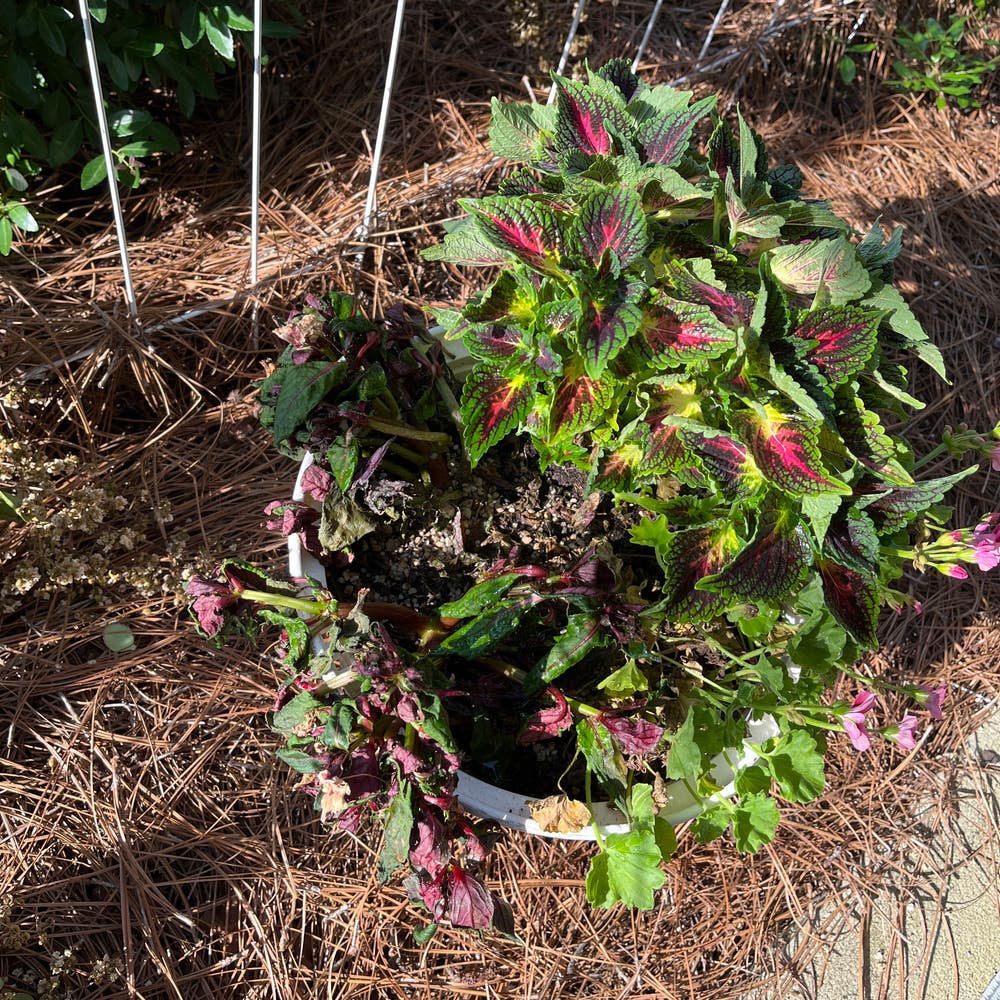
What to Do About Curling Leaves on Your Congo Cockatoo 🦜
Impatiens niamniamensis
By the Greg Editorial Team
Oct 11, 2024•4 min read
This article was created with the help of AI so we can cover more plants for you. May contain errors. See one? Report it here.
- 🌡️💧 Inspect temperature, humidity, and light to diagnose curling leaves on your Congo Cockatoo.
- 🐛 Check for pests regularly; infestations can severely impact plant health.
- 🌱 Maintain proper watering and soil drainage to prevent root rot and curling leaves.
Solutions for Curling Leaves
🕵️♂️ Step-by-Step Guide to Diagnosing the Issue
Diagnosing curling leaves on your Congo Cockatoo starts with a thorough inspection of environmental conditions. Check the temperature, humidity, and light exposure to ensure they are within the optimal range.
Next, examine the soil quality. Assess drainage and compaction to determine if the roots are getting the air and moisture they need.
Finally, look for pests. Inspect leaves and stems closely for any signs of infestation, as these can significantly affect plant health.
🐛 Treatment Options for Pests
If you discover pests, consider organic pest control methods first. Neem oil is effective; mix 1-2 tablespoons per gallon of water and spray it on affected areas.
Insecticidal soap is another option. Apply it every 7-10 days until the pests are under control.
Chemical options should be a last resort. Always follow label instructions to ensure safe application.
💧 Adjusting Watering Practices
Watering practices play a crucial role in leaf health. Allow the top inch of soil to dry out between waterings to prevent root rot.
Be vigilant for signs of overwatering, such as yellowing leaves and mushy stems. Conversely, crispy leaf edges and drooping leaves indicate underwatering.
🌫️ Improving Humidity Levels
Humidity is vital for your Congo Cockatoo's well-being. Use a humidifier set to maintain 50%-70% humidity for optimal growth.
Another method is using pebble trays. Fill a tray with pebbles and water, then place the pot on top to create a humid microclimate.
To ensure you're hitting the right levels, monitor humidity with a hygrometer. This tool provides accurate readings, helping you maintain the ideal environment.
🌱 Fertilization Techniques for Nutrient Deficiencies
Fertilization is key to addressing nutrient deficiencies. A recommended schedule is every 4-6 weeks during the growing season.
You can choose between liquid and granular fertilizers, depending on your preference. Look for signs of improvement, such as new growth and returning leaf color, to gauge effectiveness.
By following these steps, you can effectively tackle curling leaves on your Congo Cockatoo. Next, let’s explore preventative measures to keep your plant thriving in the long run.
Preventative Measures
Best Practices for Congo Cockatoo Care 🌱
Establishing a regular watering schedule is crucial. Aim for consistent moisture without waterlogging to keep your Congo Cockatoo thriving.
Proper light exposure is equally important. Avoid direct sunlight to prevent leaf burn, which can lead to curling leaves.
Regular Monitoring and Maintenance 🔍
Conduct weekly inspections of your plant. Check for pests and assess leaf health to catch any issues early.
Soil checks are essential too. Ensure proper drainage and aeration to promote healthy root growth.
Ideal Environmental Conditions 🌡️
Maintaining a stable temperature is key. Avoid drafts and sudden temperature changes that can stress your plant.
Humidity control is also vital. Regularly mist the leaves if humidity levels drop to keep them happy and healthy.
Soil and Potting Recommendations 🪴
For the best results, use a recommended soil mix of 50% potting soil, 30% perlite, and 20% peat moss. This combination promotes drainage and aeration.
Don't forget potting considerations. Always ensure pots have drainage holes to prevent water accumulation, which can lead to root rot.
By following these preventative measures, you can create a nurturing environment for your Congo Cockatoo. This foundation will help you tackle any curling leaves effectively and keep your plant flourishing.
Seasonal Considerations
Adjusting Care Routines Based on Seasons 🌱
As the seasons change, so should your care routine for your Congo Cockatoo. In fall and winter, it's essential to reduce fertilization frequency to avoid overfeeding during dormancy.
Light adjustments are also crucial. Move your plant closer to a light source in winter to ensure it receives adequate sunlight, which is vital for its health.
Preparing for Temperature Fluctuations 🌡️
Temperature fluctuations can stress your plant, so take proactive measures. Insulating pots with decorative sleeves helps retain warmth, providing a cozy environment for your Congo Cockatoo.
Additionally, be mindful of indoor placement. Avoid windowsills during cold snaps, as drafts can lead to curling leaves and other stress signs.
By adapting your care routine seasonally, you can keep your plant thriving year-round. This attention to detail not only enhances its health but also enriches your gardening experience.
Common Misconceptions
Clarifying the Role of Humidity and Watering 🌧️
Understanding the balance of humidity is crucial for your Congo Cockatoo's health. Too much humidity can lead to mold growth, while too little can cause the leaves to curl.
Watering practices also play a significant role in plant care. Consistency is key; both overwatering and underwatering can create problems that manifest as curling leaves.
Regularly check your watering schedule and humidity levels to maintain a thriving environment for your plant. This attention to detail can make all the difference in keeping your Congo Cockatoo healthy and vibrant.
As you refine your care routine, remember that small adjustments can lead to significant improvements. Next, let’s explore some preventative measures to keep your plant in top shape.
⚠️ Safety First
This content is for general information and may contain errors, omissions, or outdated details. It is not medical, veterinary advice, or an endorsement of therapeutic claims.
Always consult a qualified healthcare professional before using any plant as food, medicine, or supplement.
Never eat any plant (or feed one to pets) without confirming its identity with at least two trusted sources.
If you suspect poisoning, call Poison Control (800) 222-1222, the Pet Poison Helpline (800) 213-6680, or your local emergency service immediately.
Spotted an error? Please report it here.
Transform your Congo Cockatoo's curling leaves into vibrant foliage 🌿 by using Greg's customized care tips and reminders to create the ideal environment for your plant's success!