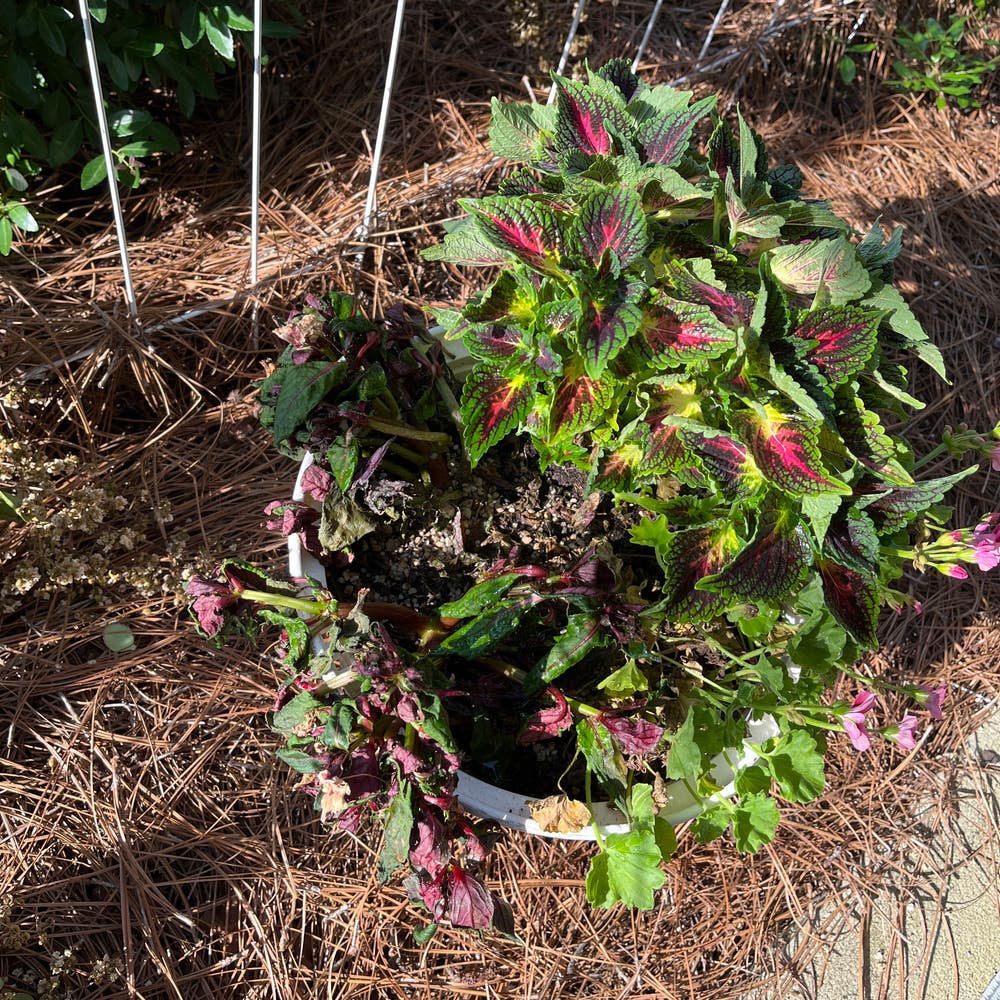
Congo Cockatoo Roots 101 🦜
Impatiens niamniamensis
By the Greg Editorial Team
Oct 11, 2024•5 min read
This article was created with the help of AI so we can cover more plants for you. May contain errors. See one? Report it here.
- 🌱 Congo Cockatoo roots enhance nutrient absorption and adapt to various soil conditions.
- 💧 Deep watering is essential; let the top inch of soil dry out between waterings.
- ⚠️ Monitor root health to prevent issues like rot and stunted growth.
Description of the Root System Type
🌱 Taproot vs. Fibrous Roots
The Congo Cockatoo primarily features a fibrous root system. This means it has numerous thin roots that spread horizontally, creating an extensive network underground.
Fibrous roots have an enhanced surface area for nutrient absorption, making them highly efficient. They also adapt well to various soil conditions, ensuring the plant thrives in diverse environments.
🔍 Specific Characteristics
These roots can penetrate deep into the soil, reaching moisture and nutrients that other plants might miss. Their fibrous nature not only stabilizes the plant but also plays a crucial role in preventing soil erosion.
Understanding the root system of the Congo Cockatoo is essential for effective care. This knowledge sets the stage for better watering, fertilizing, and transplanting practices, which we will explore next.
Root Depth and Spread
Typical Depth and Spread 🌱
The Congo Cockatoo's root system can reach impressive depths. In optimal conditions, roots can grow up to 3 feet (0.9 meters) deep and spread out to 4 feet (1.2 meters) wide.
Growth Patterns and Care Implications 📈
During the growing season, these roots grow rapidly, which means they need regular monitoring. Understanding their growth patterns helps you determine the best watering and fertilizing schedules to keep your plant thriving.
By keeping an eye on root development, you can ensure your Congo Cockatoo remains healthy and vibrant. This proactive approach not only supports the plant's growth but also enhances your gardening experience.
As we move forward, let’s explore how to effectively water and fertilize your Congo Cockatoo for optimal growth.
Watering, Fertilizing, and Transplanting
💧 Watering Frequency and Methods
Deep watering is essential for encouraging robust root growth. Aim to let the top inch of soil dry out between waterings to prevent overwatering, which can lead to root issues.
🌱 Fertilizing Considerations
During the growing season, using a balanced fertilizer can significantly benefit your Congo Cockatoo. Apply it at the base of the plant to effectively target the root zone, ensuring the nutrients reach where they’re needed most.
🌿 Best Practices for Transplanting
Timing is crucial when transplanting. Early spring or fall is ideal, as it allows the plant to acclimate before extreme weather sets in.
When transplanting, opt for a wide, shallow pot. This accommodates the root spread and minimizes disturbance, promoting a smoother transition for your plant.
Understanding these watering, fertilizing, and transplanting techniques will set your Congo Cockatoo up for success. Next, let’s explore common root-related issues that can arise and how to tackle them effectively.
Common Root-Related Issues
Identifying Root Rot and Other Diseases 🦠
Root rot can be a sneaky problem for plants. Key symptoms include wilting, even when the soil is moist, and a foul odor coming from the soil.
Tips for Prevention 🚫
Preventing root rot is easier than you might think. Start by ensuring your plant has well-draining soil and avoid overwatering; regularly check drainage holes to keep things flowing.
Solutions for Common Issues 🛠️
If you do encounter root rot, don’t panic. Remove the affected roots and repot the plant in fresh, dry soil. Adjust your watering schedule to prevent this issue from cropping up again.
Understanding these common root-related issues can help you maintain a thriving plant. With a little attention, you can keep your Congo Cockatoo roots healthy and robust, setting the stage for the next section on healthy versus unhealthy roots.
Healthy vs. Unhealthy Roots
🌱 Visual Cues for Healthy Roots
Healthy roots are a gardener's pride. They should appear white, firm, and free of blemishes, indicating vitality.
When you gently tug on them, they should feel strong and flexible. This resilience is a good sign that your plant is thriving.
🚫 Signs of Unhealthy Roots
On the flip side, unhealthy roots tell a different story. Look for a brown, mushy texture, which signals decay.
A foul odor coming from the soil is another red flag. Additionally, if your plant shows stunted growth, it’s likely struggling with root issues.
Understanding these visual cues can help you maintain a vibrant plant. Healthy roots are the foundation of a flourishing garden, so keep an eye out for these signs!
Next, let’s explore rootbound plants and how to recognize their conditions.
Rootbound Plants
Definition and Characteristics 🌱
Rootbound plants are those whose roots have circled around the pot, limiting their growth potential. You might notice roots pushing out of drainage holes or the plant exhibiting stunted growth and yellowing leaves.
Recognizing Rootbound Conditions 🔍
Identifying rootbound conditions is crucial for plant health. Look for slow growth, even when you're providing proper care, and soil that dries out quickly after watering.
Steps to Address Rootbound Plants 🛠️
If you find your plant is rootbound, follow these steps to help it thrive again:
- Gently remove the plant from its pot.
- Loosen the roots by gently untangling them.
- Repot into a larger container with fresh soil.
By addressing rootbound conditions promptly, you can ensure your plant continues to flourish. This proactive approach not only revitalizes your plant but also enhances your gardening experience.
Propagation and Division
Importance of Root Health 🌱
Healthy roots are vital for successful propagation and division. A strong root system ensures that new plants establish well in their new pots, setting them up for thriving growth.
Techniques for Dividing and Propagating ✂️
Dividing plants during repotting is an effective technique. Make sure each division has a healthy root system to maximize the chances of successful growth.
Maintaining Root Health During Propagation 🧼
Using sterile tools is essential to prevent disease during propagation. After dividing, water lightly to avoid root rot, ensuring the new plants have the best start possible.
Understanding these aspects of propagation and division will help you nurture your Congo Cockatoo roots effectively. Next, we’ll explore how to identify and address common root-related issues.
⚠️ Safety First
This content is for general information and may contain errors, omissions, or outdated details. It is not medical, veterinary advice, or an endorsement of therapeutic claims.
Always consult a qualified healthcare professional before using any plant as food, medicine, or supplement.
Never eat any plant (or feed one to pets) without confirming its identity with at least two trusted sources.
If you suspect poisoning, call Poison Control (800) 222-1222, the Pet Poison Helpline (800) 213-6680, or your local emergency service immediately.
Spotted an error? Please report it here.
Nurture your Congo Cockatoo's root health 🌿 with Greg's tailored watering alerts and fertilization tips, ensuring your plant thrives in any environment!