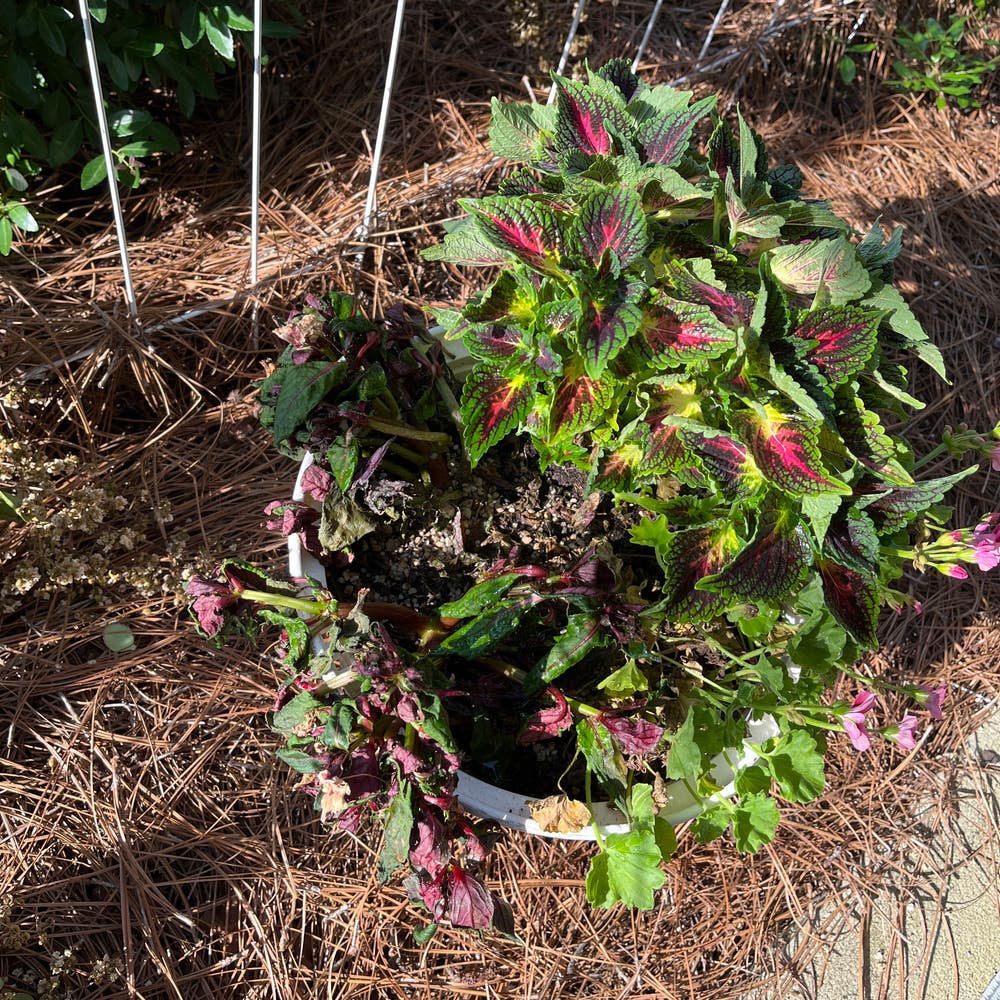
Where Can Congo Cockatoo Grow? Zones 10a-11b 🦜
Impatiens niamniamensis
By the Greg Editorial Team
Oct 11, 2024•4 min read
This article was created with the help of AI so we can cover more plants for you. May contain errors. See one? Report it here.
- 🌡️ Congo Cockatoos thrive in USDA Zones 10a-11b, enjoying warm climates and high humidity.
- ❄️ Frost protection is essential; they tolerate temperatures down to 30°F (-1°C).
- 🌴 Ideal growth requires consistent warmth between 70°F and 85°F (21°C to 29°C).
Temperature Tolerance
❄️ Cold Tolerance Specifics
Congo Cockatoos can handle temperatures as low as 30°F (-1°C), but they need protection from frost. In colder climates, ensuring frost protection is crucial for their survival and health.
☀️ Heat Tolerance Specifics
On the flip side, these birds thrive in temperatures up to 95°F (35°C) as long as there's adequate moisture. High heat demands consistent watering and humidity to keep them healthy and flourishing.
🌱 Ideal Temperature Ranges for Growth
For optimal growth, Congo Cockatoos prefer temperatures between 70°F and 85°F (21°C to 29°C). Seasonal temperature fluctuations can significantly impact their growth cycles, making stable conditions essential for their well-being.
Understanding these temperature tolerances is key to creating the right environment for your Congo Cockatoo. Next, let’s explore the ideal growing regions where these birds can thrive best.
Ideal Growing Regions
🌍 Examples of US States in Suitable Zones
Congo Cockatoos thrive in specific regions of the United States. Notably, California boasts coastal and southern areas that provide the warmth these birds need.
Florida is another prime location, particularly in its southern and central regions. Texas also offers suitable conditions, especially along its coastal and southern parts.
🌡️ Factors Contributing to Ideal Conditions
Warm temperatures are crucial for the growth of Congo Cockatoos. These regions enjoy consistent warmth throughout the year, creating an inviting environment.
High humidity is equally essential. It mimics the tropical conditions these birds naturally thrive in, promoting optimal growth and health.
In summary, the combination of warm temperatures and high humidity makes these states ideal for cultivating Congo Cockatoos. This understanding sets the stage for exploring how microclimates can further enhance their growing conditions.
Microclimates and Their Impact
🌍 Definition and Benefits of Microclimates
Microclimates are small areas that experience different climatic conditions compared to their surrounding regions. These variations can significantly influence plant growth, offering unique advantages.
Microclimates provide protection from wind, frost, and temperature extremes. This can be crucial for sensitive plants like the Congo Cockatoo, allowing them to thrive in less-than-ideal conditions.
🌿 Examples of Beneficial Microclimates
Coastal areas often enjoy warmer temperatures due to the moderating influence of the ocean. This consistent warmth can create a perfect environment for tropical plants.
Urban areas also present beneficial microclimates. The heat retained by buildings and pavement can elevate temperatures, creating a more hospitable environment for growth.
Understanding microclimates can help you identify the best spots for planting your Congo Cockatoo. By leveraging these unique conditions, you can enhance growth and health, ensuring your plants flourish.
As we explore suitable growing regions next, consider how microclimates might play a role in your local environment.
State-Level Suitability Analysis
🌟 Suitable US States
When considering where the Congo Cockatoo can thrive, several states stand out.
- California: The coastal and southern regions offer a warm climate ideal for growth.
- Florida: Known for its southern and central areas, Florida provides the humidity and warmth these birds need.
- Texas: The coastal and southern parts of Texas also create a suitable environment.
- Hawaii: With its consistently warm and humid conditions, Hawaii is a paradise for the Congo Cockatoo.
❌ Unsuitable US States
Not all states are friendly to the Congo Cockatoo's growth.
- Alaska: The extreme cold and frost make it impossible for these tropical birds to survive.
- North Dakota: Harsh winters and prolonged frost create an inhospitable environment.
- Montana: Cold winters and short growing seasons further limit growth opportunities.
🔍 Reasons for Suitability or Unsuitability
Understanding why certain states are suitable or unsuitable is crucial.
- Suitable states enjoy warm temperatures, minimal frost, and high humidity, creating a tropical-like environment.
- Unsuitable states face extreme cold, prolonged frost periods, and conditions that simply don't support tropical plants.
With this knowledge, you can better appreciate where the Congo Cockatoo can flourish. Next, let’s explore the impact of microclimates on their growth potential.
⚠️ Safety First
This content is for general information and may contain errors, omissions, or outdated details. It is not medical, veterinary advice, or an endorsement of therapeutic claims.
Always consult a qualified healthcare professional before using any plant as food, medicine, or supplement.
Never eat any plant (or feed one to pets) without confirming its identity with at least two trusted sources.
If you suspect poisoning, call Poison Control (800) 222-1222, the Pet Poison Helpline (800) 213-6680, or your local emergency service immediately.
Spotted an error? Please report it here.
Cultivating Congo Cockatoos in warm, humid zones is a breeze 🌴 when you leverage Greg's personalized care tips to ensure they thrive in their ideal environment!