Ultimate Guide to Temperature for Congo Cockatoo 🦜
Impatiens niamniamensis
By the Greg Editorial Team
Oct 11, 2024•4 min read
This article was created with the help of AI so we can cover more plants for you. May contain errors. See one? Report it here.
- 🌡️ Congo cockatoos thrive between 60°F and 85°F; extremes can harm their health.
- ❄️🔥 Recognize cold and heat stress symptoms like wilting and leaf drop for timely care.
- 🏠 Stable environments and proper placement prevent temperature-related stress in Congo cockatoos.
Temperature Extremes and Their Effects
❄️ Cold Tolerance
Congo cockatoos are sensitive to cold temperatures. The critical threshold for these birds is below 60°F (15°C), where they start to experience stress.
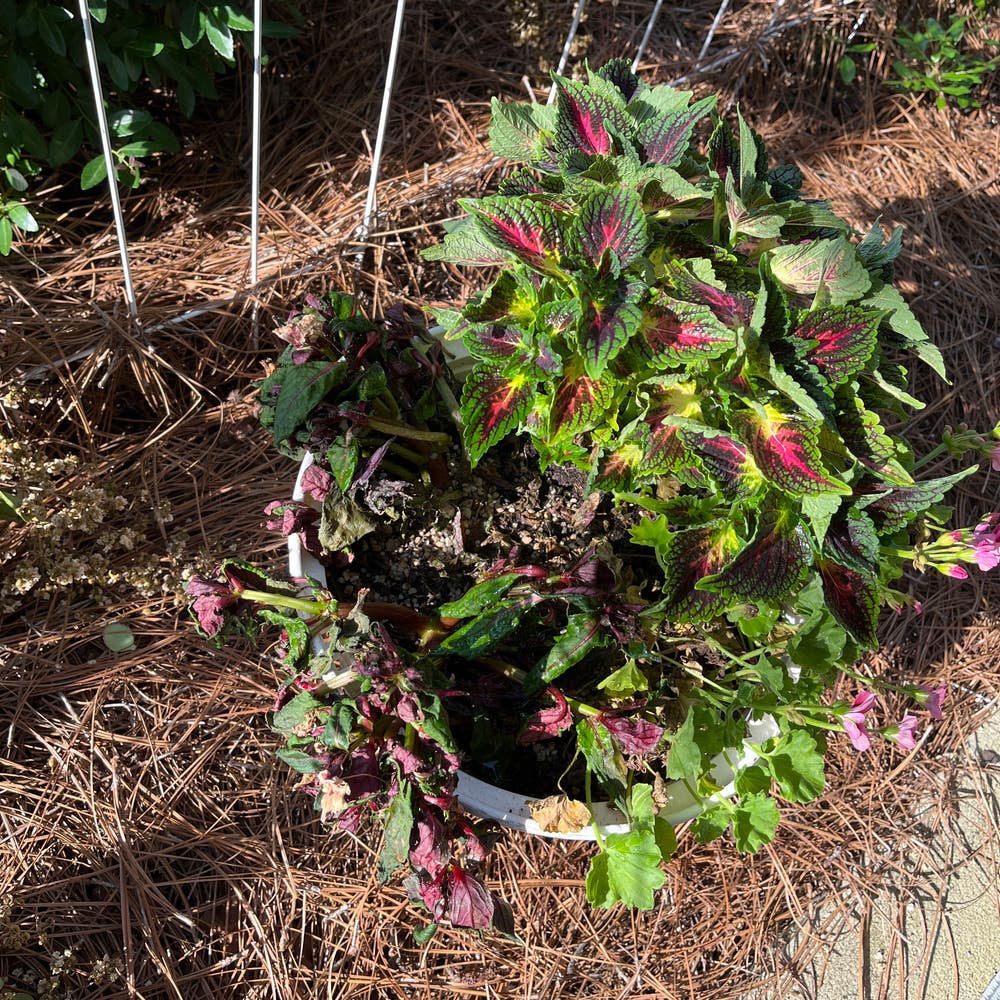
When exposed to such conditions, you may notice potential damage like leaf drop, stunted growth, and an overall decline in health. Keeping an eye on temperature is essential for their well-being.
🔥 Heat Stress
On the flip side, heat can be just as damaging. A critical threshold for heat stress occurs above 85°F (29°C), where the effects can be severe.
Signs of heat stress include wilting, leaf scorch, and reduced photosynthesis. These symptoms can hinder the plant's growth and vitality, making temperature management crucial.
Understanding these extremes helps you create a healthier environment for your Congo cockatoo. Next, let’s explore the signs of temperature stress to better identify when your bird might be struggling.
Signs of Temperature Stress
Symptoms of Cold Stress ❄️
Cold stress can manifest in several noticeable ways. One of the first signs is leaf discoloration, where edges turn yellow or brown, indicating distress.
Another symptom is stunted growth. You may notice reduced new leaf production and an overall smaller size of the plant.
Lastly, leaf drop can occur as a stress response, leading to premature shedding of leaves. This is a clear signal that your Congo Cockatoo is struggling with the cold.
Symptoms of Heat Stress 🔥
Heat stress presents its own set of challenges. Wilting is a common symptom, where leaves droop and lose turgor pressure, making them look lifeless.
You might also observe leaf scorch, characterized by brown, crispy edges on leaves. This damage can severely affect the plant's health.
Finally, reduced growth is another indicator. You may see slower development and fewer new leaves, signaling that the plant is not thriving in the heat.
Recognizing these symptoms early can help you take action to protect your Congo Cockatoo. Understanding the signs of temperature stress is crucial for maintaining its health and vitality.
Causes of Temperature Stress
🌡️ Environmental Factors
Temperature stress in Congo Cockatoos often arises from environmental factors. Sudden temperature fluctuations can be particularly damaging, as rapid changes between day and night can shock the plant.
Prolonged exposure to extreme temperatures also poses a risk. Extended periods of cold or heat can lead to significant stress, affecting overall health and vitality.
Placement matters too. A poor location, such as a drafty area or a spot that receives direct sunlight without shade, can exacerbate temperature-related issues.
🌦️ Seasonal Temperature Changes
Seasonal shifts play a crucial role in temperature stability. Understanding how winter and summer affect your Congo Cockatoo's environment is essential for maintaining its health.
Local climate variations can further complicate matters. Regions with extreme seasonal changes can heighten the risk of temperature stress, making it vital to monitor conditions closely.
By being aware of these causes, you can take proactive steps to protect your Congo Cockatoo from temperature stress. Next, let’s explore the signs that indicate your plant may be struggling.
Temperature Adaptation Strategies
🌱 Acclimation Techniques
Gradual exposure is key when introducing your Congo Cockatoo to new temperature ranges. Start by slowly adjusting their environment, allowing them to adapt without shock.
Monitoring is equally important during this process. Regularly check temperature levels to ensure your plant is adjusting comfortably and not experiencing undue stress.
🌡️ Best Practices for Maintaining Stable Temperatures
Using thermometers can help you keep a close eye on ambient temperatures. This simple tool ensures you’re aware of any fluctuations that could affect your plant's health.
Insulation techniques are vital during cold snaps. Protective covers can shield your Congo Cockatoo from harsh conditions, helping to maintain a stable environment.
Placement strategies also play a crucial role. Choose optimal locations that are away from drafts and direct heat sources to create a more stable habitat for your plant.
By implementing these strategies, you can help your Congo Cockatoo thrive despite temperature challenges. Next, let’s explore the signs of temperature stress to ensure your plant remains healthy and vibrant.
⚠️ Safety First
This content is for general information and may contain errors, omissions, or outdated details. It is not medical, veterinary advice, or an endorsement of therapeutic claims.
Always consult a qualified healthcare professional before using any plant as food, medicine, or supplement.
Never eat any plant (or feed one to pets) without confirming its identity with at least two trusted sources.
If you suspect poisoning, call Poison Control (800) 222-1222, the Pet Poison Helpline (800) 213-6680, or your local emergency service immediately.
Spotted an error? Please report it here.
Ensure your Congo cockatoo thrives in a stable environment 🌡️ by using Greg's tailored temperature monitoring and care tips to prevent stress and promote their well-being!