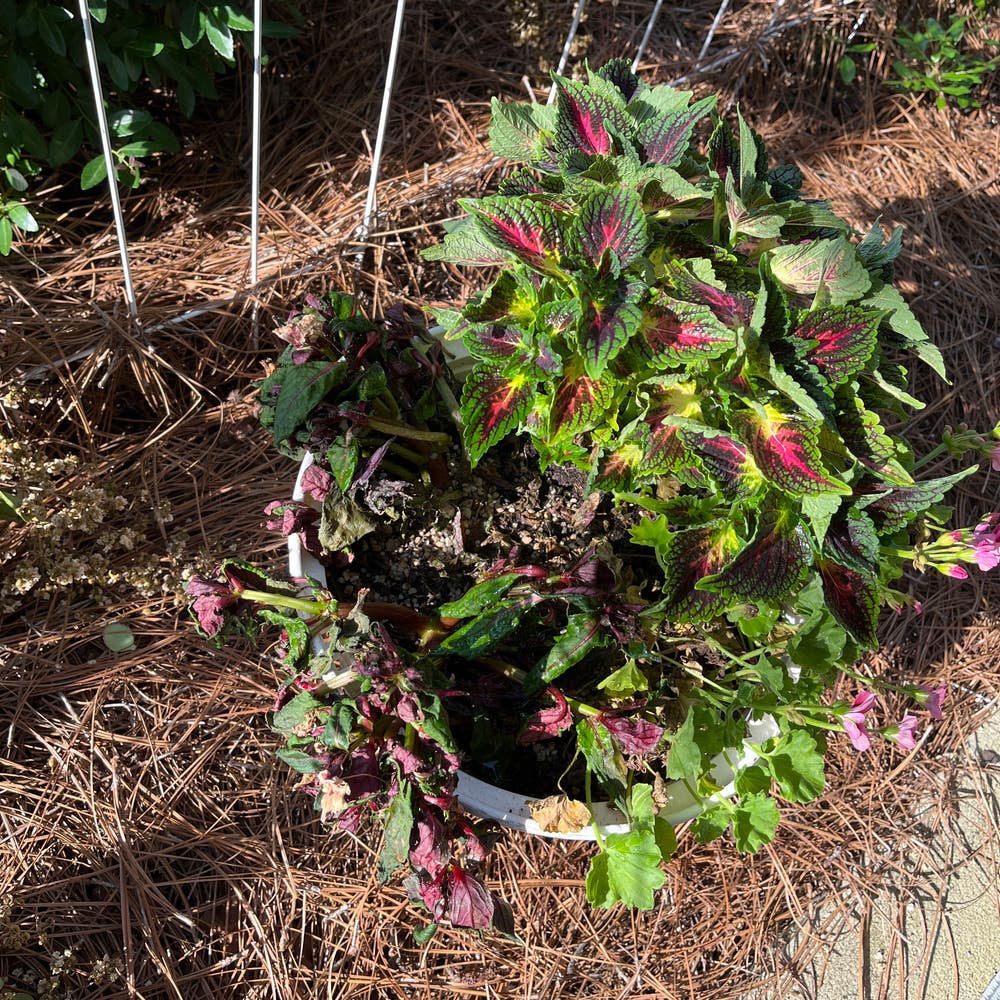
Ultimate Guide to Fixing Black Spots on Congo Cockatoo 🦜
Impatiens niamniamensis
By the Greg Editorial Team
Oct 11, 2024•6 min read
This article was created with the help of AI so we can cover more plants for you. May contain errors. See one? Report it here.
- 🕵️♂️ Spot size and shape reveal underlying issues in Congo Cockatoos.
- 🌱 Humidity and light are crucial for preventing black spots and promoting health.
- ✂️ Regular pruning and inspections help manage and prevent black spot problems.
Diagnosing the Problem
🌑 Identifying the Type of Black Spots
Size and Shape of Spots
When diagnosing black spots on your Congo Cockatoo, size matters. Small spots often indicate minor issues, while large spots can signal more serious problems.
Shape also plays a crucial role. Round spots may suggest fungal infections, whereas irregular or angular shapes could point to pest damage or environmental stress.
Location on the Leaf
The location of the spots on the leaf can provide valuable clues. Spots on the upper leaf surface typically indicate issues like fungal infections, while those on the lower surface may suggest pests.
Additionally, the position of the spots matters. If they appear at the leaf margins, it could be a sign of nutrient deficiency, while spots in the center might indicate specific diseases.
🌤️ Assessing Environmental Conditions
Light Exposure
Light conditions are vital for your Congo Cockatoo's health. Ideally, these plants thrive in bright, indirect light.
If you notice symptoms like etiolation or leaf drop, it may be a sign of inadequate light. Adjusting their light exposure can make a significant difference.
💧 Humidity Levels
Humidity is another critical factor. Congo Cockatoos prefer humidity levels between 50-70%.
Low humidity can lead to crispy leaf edges and browning. Consider using a humidifier or pebble trays to maintain optimal moisture levels.
🌡️ Temperature Fluctuations
Temperature fluctuations can stress your plant. The ideal range is between 20°C to 30°C (68°F to 86°F).
If you observe leaf curling or discoloration, it may be a sign of temperature stress. Keeping your plant in a stable environment can help prevent these issues.
Understanding these diagnostic elements will set you on the right path to restoring your Congo Cockatoo's health. Next, we’ll explore effective treatment options to tackle these problems head-on.
Treatment Options
🌱 Organic Treatments
Neem Oil Application
Neem oil is a fantastic organic solution for treating black spots on your Congo Cockatoo. To apply, simply dilute the neem oil and spray it directly on the affected areas.
For best results, repeat this process every 7 to 14 days until you notice improvement. Consistency is key to combating those pesky spots.
Baking Soda Solution
Another effective organic treatment is a baking soda solution. Mix 1 tablespoon of baking soda in 1 gallon of water to create your spray.
Apply this mixture directly on the leaves to help combat fungal infections. It's a simple yet powerful remedy.
⚗️ Chemical Treatments
Fungicides
When organic methods aren't enough, consider using fungicides. There are two main types: systemic and contact fungicides.
Always follow the manufacturer’s instructions for safe application. This ensures you’re treating your plant effectively without causing harm.
Insecticides for Pest Control
If pests are the culprit behind the black spots, insecticides may be necessary. Options like pyrethrin and insecticidal soap can be quite effective.
For optimal results, apply these treatments early in the morning or late in the evening. This timing minimizes harm to beneficial insects.
🌬️ Cultural Practices
Pruning Affected Leaves
Pruning is a straightforward way to manage black spots. Use clean, sharp pruning shears to cut away the affected leaves.
This technique helps prevent the spread of any issues, keeping your plant healthier overall.
Improving Air Circulation
Enhancing air circulation around your Congo Cockatoo can significantly reduce humidity and deter fungal growth. Space your plants appropriately and consider using fans for better airflow.
Improved circulation not only helps with moisture control but also promotes overall plant health.
By implementing these treatment options, you can effectively manage black spots and keep your Congo Cockatoo thriving. Next, let’s explore preventive measures to ensure these issues don’t arise in the first place.
Preventive Measures
💧 Proper Watering Techniques
Avoiding Overwatering
Overwatering is a common issue for Congo Cockatoos. Look for signs like yellowing leaves and soggy soil, which indicate too much moisture.
To prevent this, allow the top inch of soil to dry out between waterings. This simple practice can save your plant from root rot and other complications.
Ensuring Good Drainage
Good drainage is crucial for healthy plants. Always use pots with drainage holes to allow excess water to escape.
Additionally, choose a well-draining potting mix that includes perlite or sand. This will help maintain the right moisture balance and promote healthy root growth.
🌱 Nutrient Management
Fertilization Schedule
A consistent fertilization schedule is key to keeping your Congo Cockatoo thriving. Aim to fertilize every 4-6 weeks during the growing season.
Opt for balanced NPK or slow-release formulas to provide essential nutrients. This will support robust growth and vibrant foliage.
Soil Health
Healthy soil is the foundation of a thriving plant. Regular soil testing for pH and nutrient levels can help you understand what your plant needs.
Consider adding organic compost or worm castings to improve soil quality. These amendments enrich the soil and enhance nutrient availability.
🌞 Environmental Adjustments
Ideal Light Conditions
Light plays a vital role in plant health. Position your Congo Cockatoo near east or west-facing windows for optimal light exposure.
Don’t forget to rotate the plant occasionally. This ensures even light distribution, promoting balanced growth.
Maintaining Humidity Levels
Humidity is another critical factor for your plant's well-being. Use methods like humidifiers, pebble trays, or misting to maintain adequate moisture levels.
Monitoring humidity with hygrometers can help you keep track. This way, you can make adjustments as needed to create a comfortable environment for your Congo Cockatoo.
By implementing these preventive measures, you can significantly reduce the risk of black spots and ensure your Congo Cockatoo remains healthy and vibrant. Next, let’s explore monitoring and maintenance strategies to keep your plant in top shape.
Monitoring and Maintenance
🕵️ Regular Inspections
Frequency of Checks for Black Spots
To keep your Congo Cockatoo healthy, conduct weekly inspections for black spots. Focus on the undersides of leaves and leaf margins, as these areas often hide early signs of trouble.
What to Document
Maintain a record of your inspections by noting the date, symptoms observed, and treatments applied. This documentation is crucial for tracking your plant's health over time and identifying patterns that may arise.
📅 Long-Term Care Strategies
Seasonal Adjustments
Adjust your care routine with the changing seasons. Modify watering and feeding based on growth patterns, and remember that your plant may need less attention during its dormant winter months.
Adapting Care Based on Plant Growth Stages
Recognize that young and mature plants have different needs. Monitor growth closely and adjust your care strategies to prevent stress, ensuring your Congo Cockatoo thrives at every stage of its life.
By staying vigilant and adapting your care practices, you can effectively manage and prevent black spots, keeping your Congo Cockatoo vibrant and healthy. Next, let's explore preventive measures to further safeguard your plant's well-being.
⚠️ Safety First
This content is for general information and may contain errors, omissions, or outdated details. It is not medical, veterinary advice, or an endorsement of therapeutic claims.
Always consult a qualified healthcare professional before using any plant as food, medicine, or supplement.
Never eat any plant (or feed one to pets) without confirming its identity with at least two trusted sources.
If you suspect poisoning, call Poison Control (800) 222-1222, the Pet Poison Helpline (800) 213-6680, or your local emergency service immediately.
Spotted an error? Please report it here.
Keep your Congo Cockatoo spot-free 🌿 by using Greg's tailored care tips and watering reminders to ensure it thrives in its ideal environment!