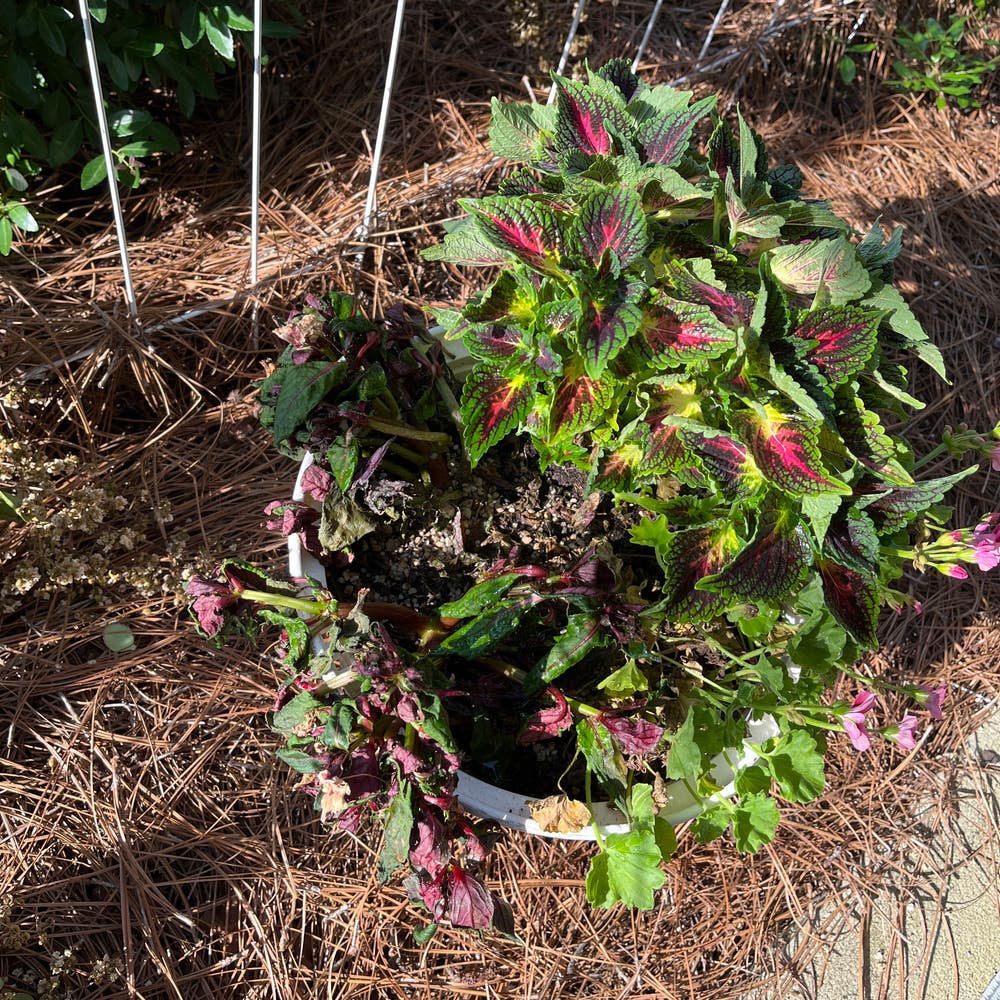
Congo Cockatoo: Where to Plant 🦜
Impatiens niamniamensis
By the Greg Editorial Team
Oct 11, 2024•4 min read
This article was created with the help of AI so we can cover more plants for you. May contain errors. See one? Report it here.
- 🌞 Congo Cockatoo needs 4-6 hours of bright, indirect light for optimal growth.
- 🌱 Well-draining, organic-rich soil with pH 6.0-7.0 is essential for health.
- 🌬️ Proper site evaluation ensures protection from wind and adequate air circulation.
Ideal Planting Locations
☀️ Sunlight Exposure Requirements
For the Congo Cockatoo, bright, indirect light is the sweet spot. While it can handle some full sun, too much can lead to leaf scorch, so moderation is key.
Partial shade is acceptable, but it may slow down growth. Aim for 4-6 hours of filtered sunlight daily to keep your plant thriving.
🌱 Soil Type Preferences
The Congo Cockatoo thrives in well-draining soil that's rich in organic matter. A pH range of 6.0 to 7.0 is ideal for optimal nutrient uptake.
To enhance soil fertility, consider incorporating compost or aged manure. Steer clear of heavy clay or compacted soils that can trap water and hinder growth.
🌳 Proximity to Other Plants or Structures
Companion planting can be a game-changer. Position your Congo Cockatoo near plants that provide shade or act as windbreaks, but avoid overcrowding to ensure good air circulation.
Keep it a safe distance from walls or fences to prevent heat stress. Make sure there's enough space for growth without any obstructions.
This thoughtful placement will set your Congo Cockatoo up for success, ensuring it gets the right conditions to flourish.
Assessing the Best Spot
🕵️ Evaluating Garden or Landscape Conditions
Choosing the right spot for your Congo Cockatoo starts with a thorough site evaluation. Begin by observing sunlight patterns throughout the day; this will help you identify the best areas for optimal light exposure.
Next, check for existing drainage issues or water pooling. Standing water can lead to root rot, which is detrimental to your plant's health.
Soil testing is also crucial. Use a soil test kit to assess nutrient levels and pH, ensuring the conditions are just right for your Congo Cockatoo. Look for signs of soil compaction or poor drainage, as these can hinder growth.
🏠 Indoor vs. Outdoor Considerations
When it comes to indoor planting, choose a bright room with indirect light. This will mimic the natural conditions your Congo Cockatoo thrives in.
Humidity levels are equally important; aim for 50-70% to keep your plant happy. If you're considering outdoor planting, select a sheltered area that offers protection from harsh winds.
Don’t forget to consider microclimates created by nearby structures or trees. These can significantly affect temperature and light, providing a more stable environment for your plant.
📍 Transitioning to Specific Location Needs
With the right spot evaluated, you’re ready to delve into the specific needs of your Congo Cockatoo. Understanding shade tolerance and seasonal considerations will further enhance your planting success.
Specific Location Needs
Shade Tolerance and Sun Requirements 🌞
Congo Cockatoos can handle partial shade but thrive in bright conditions. It's essential to monitor seasonal light changes and adjust their placement accordingly to ensure optimal growth.
Seasonal Considerations for Planting 🌱
The best time to plant outdoors is in spring or early summer. For indoor planting, you have the flexibility to plant year-round, as long as you provide adequate light.
Understanding these specific location needs will set you up for success in cultivating your Congo Cockatoo. Next, let’s explore practical tips for site selection to ensure your planting area is just right.
Practical Tips for Site Selection
Tools for Assessing Soil and Sunlight 🌞
Choosing the right tools can make a significant difference in your planting success. A soil moisture meter is essential for checking moisture levels, ensuring your Congo Cockatoo gets just the right amount of water.
A light meter will help you measure sunlight exposure accurately. This is crucial for determining if your chosen spot meets the plant's needs. Additionally, consider reaching out to local extension services for soil testing and expert advice tailored to your area.
Common Mistakes in Site Selection 🚫
Avoiding common pitfalls can save you time and frustration. One major mistake is overlooking sunlight patterns. It's vital to observe how light shifts throughout the day to ensure your plant receives adequate exposure.
Another frequent error is ignoring drainage. Planting in areas prone to waterlogging can lead to root rot. Lastly, don’t forget about wind protection. Choosing exposed locations without considering wind impact can stress your plant and hinder its growth.
By keeping these tips in mind, you can create an optimal environment for your Congo Cockatoo. Next, let’s explore how to evaluate your garden or landscape conditions effectively.
⚠️ Safety First
This content is for general information and may contain errors, omissions, or outdated details. It is not medical, veterinary advice, or an endorsement of therapeutic claims.
Always consult a qualified healthcare professional before using any plant as food, medicine, or supplement.
Never eat any plant (or feed one to pets) without confirming its identity with at least two trusted sources.
If you suspect poisoning, call Poison Control (800) 222-1222, the Pet Poison Helpline (800) 213-6680, or your local emergency service immediately.
Spotted an error? Please report it here.
Ensure your Congo Cockatoo thrives in the perfect spot 🌱 by using Greg's tailored planting tips and tools to create the ideal environment for growth!