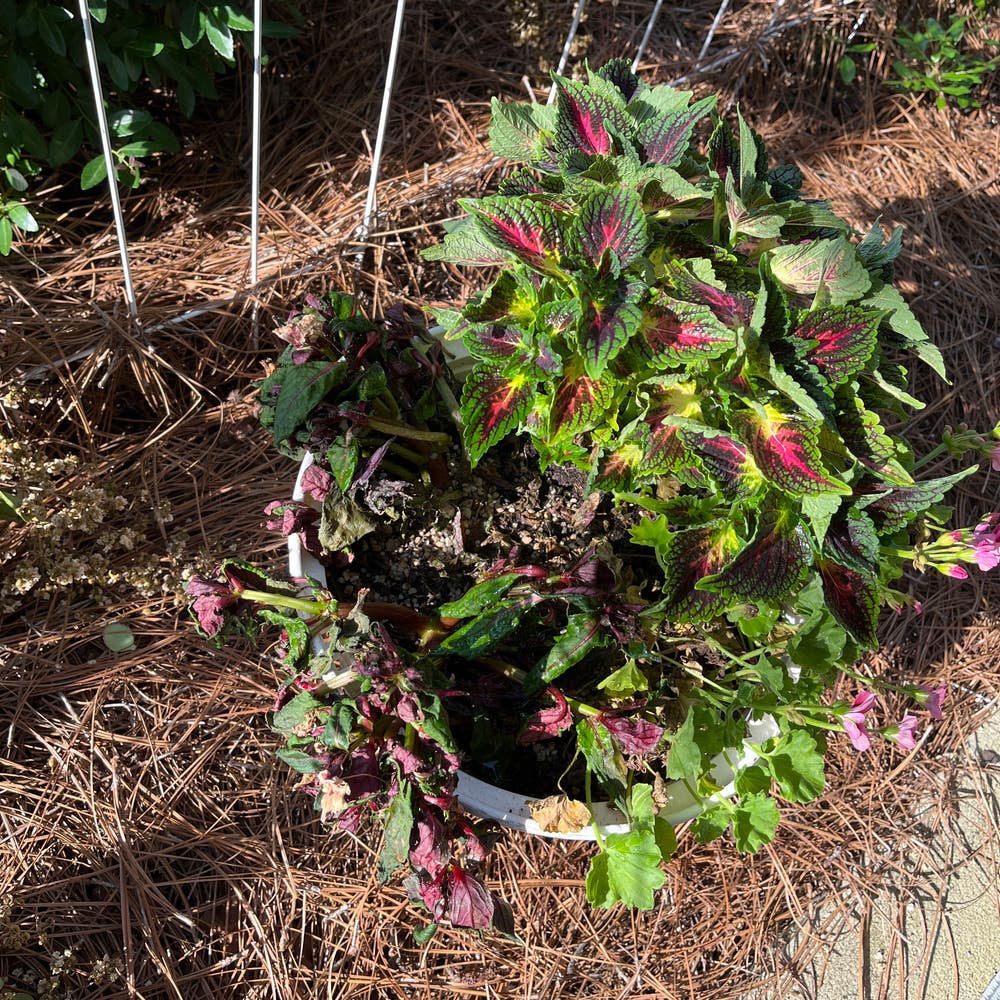
5 Tips for Healing Dropping Leaves on Your Congo Cockatoo 🐦
Impatiens niamniamensis
By the Greg Editorial Team
Oct 11, 2024•4 min read
This article was created with the help of AI so we can cover more plants for you. May contain errors. See one? Report it here.
- 🌡️💧 Environmental stress from humidity, temperature, and light causes leaf drop in Congo Cockatoos.
- 🌱 Overwatering and underwatering lead to yellowing leaves; check soil moisture regularly.
- 🐛 Pest infestations weaken plants; inspect regularly and use neem oil for control.
Causes of Leaf Drop
🌪️ Environmental Stress
Environmental factors play a crucial role in the health of your Congo Cockatoo. Changes in humidity, temperature, and light can lead to significant stress, resulting in leaf drop.
🧐 Common Leaf Drop Causes
Several common issues can contribute to leaf drop. These include overwatering, underwatering, pest infestations, and nutrient deficiencies.
Overwatering can drown the roots, while underwatering leads to dehydration. Both extremes can cause your plant to shed leaves as a survival mechanism.
Pest infestations, such as spider mites and aphids, can weaken your plant, making it more susceptible to leaf drop. Nutrient deficiencies, particularly in nitrogen and phosphorus, can stunt growth and lead to yellowing leaves.
Understanding these causes is the first step in addressing leaf drop effectively. By identifying the underlying issues, you can take proactive measures to restore your Congo Cockatoo's health.
Next, we’ll explore how to diagnose these problems accurately.
Diagnosing the Problem
💧 Overwatering: Symptoms and Solutions
Overwatering can be a sneaky culprit behind leaf drop. Look for yellowing leaves and mushy stems; these are clear signs that your Congo Cockatoo is drowning.
Inspect the roots for rot—dark, mushy roots indicate serious trouble. To remedy this, adjust your watering schedule to allow the soil to dry out between waterings. Additionally, improve soil drainage by using a well-draining potting mix.
🌵 Underwatering: Symptoms and Solutions
On the flip side, underwatering can also lead to distress. If you notice crispy, brown leaf edges and wilting, your plant is likely thirsty.
Soil pulling away from the pot edges is another telltale sign. Establish a consistent watering routine by watering when the top inch of soil feels dry. Using moisture meters can help you gauge when your plant needs a drink.
🐛 Pest Infestations: Identification and Treatment
Pests can wreak havoc on your Congo Cockatoo. Common offenders include spider mites, which leave fine webbing and stippled leaves, and aphids, often found in clusters on new growth.
To tackle these pests, consider using neem oil or insecticidal soap for effective control. Regular inspections and early intervention are key to keeping your plant healthy.
🌱 Nutrient Deficiencies: Signs and Remedies
Nutrient deficiencies can manifest in various ways. Yellowing leaves may indicate a nitrogen deficiency, while stunted growth often points to a lack of phosphorus.
To address these issues, use a balanced fertilizer during the growing season. Soil testing can also help you determine nutrient levels, ensuring your plant gets what it needs to thrive.
Understanding these diagnostic signs and solutions will set you on the right path to restoring your Congo Cockatoo's health. Next, let’s explore preventive measures to keep your plant thriving.
Preventive Measures
Ideal Watering Schedule 🌊
Watering your Congo Cockatoo is crucial for its health. Aim to water every 1-2 weeks, adjusting based on environmental conditions.
Before watering, always check the soil moisture. This simple technique helps prevent both overwatering and underwatering.
Optimal Humidity Levels 💧
Maintaining the right humidity is vital. Aim for 50-70% humidity to keep your plant thriving.
To increase humidity, consider using a humidifier or placing pebble trays filled with water near the plant. These methods can create a more suitable environment.
Proper Light Exposure ☀️
Your Congo Cockatoo needs bright, indirect sunlight for 6-8 hours daily. This light exposure is essential for healthy growth.
To ensure even light distribution, rotate the plant regularly. This small adjustment can make a big difference in its overall health.
Soil and Potting Mix Recommendations 🌱
Soil drainage is key to preventing root issues. A mix of peat, perlite, and orchid bark provides excellent aeration.
When repotting, always ensure your pots have drainage holes. This prevents waterlogging, which can lead to serious problems for your plant.
By implementing these preventive measures, you can create a thriving environment for your Congo Cockatoo. Next, let’s explore effective restoration techniques to help your plant bounce back from any issues.
Restoration Techniques
Pruning Techniques for Recovery ✂️
Pruning is essential after your Congo Cockatoo drops leaves. This encourages new growth and helps the plant breathe better.
To prune effectively, remove any dead or damaged leaves. This simple act promotes airflow and can stimulate fresh growth.
Fertilization Strategies for Health 🌱
Fertilizing your plant is crucial for its recovery. Use a diluted, balanced fertilizer every 4-6 weeks during the growing season to provide essential nutrients.
Timing matters, too. Always fertilize after watering to prevent root burn, ensuring your plant absorbs nutrients without stress.
Monitoring and Adjusting Environmental Factors 🌡️
Regular checks on your plant's environment can make a significant difference. Monitor humidity, light, and temperature to keep your Congo Cockatoo thriving.
If you notice signs of stress, don’t hesitate to move your plant to a more suitable location. Small adjustments can lead to big improvements in health and vitality.
By implementing these restoration techniques, you can help your Congo Cockatoo recover and flourish. Next, let’s explore preventive measures to keep your plant healthy in the long run.
⚠️ Safety First
This content is for general information and may contain errors, omissions, or outdated details. It is not medical, veterinary advice, or an endorsement of therapeutic claims.
Always consult a qualified healthcare professional before using any plant as food, medicine, or supplement.
Never eat any plant (or feed one to pets) without confirming its identity with at least two trusted sources.
If you suspect poisoning, call Poison Control (800) 222-1222, the Pet Poison Helpline (800) 213-6680, or your local emergency service immediately.
Spotted an error? Please report it here.
Transform your Congo Cockatoo's health by applying these tips, and let Greg guide you with custom care reminders 🌿 to ensure your plant thrives without the stress of leaf drop!