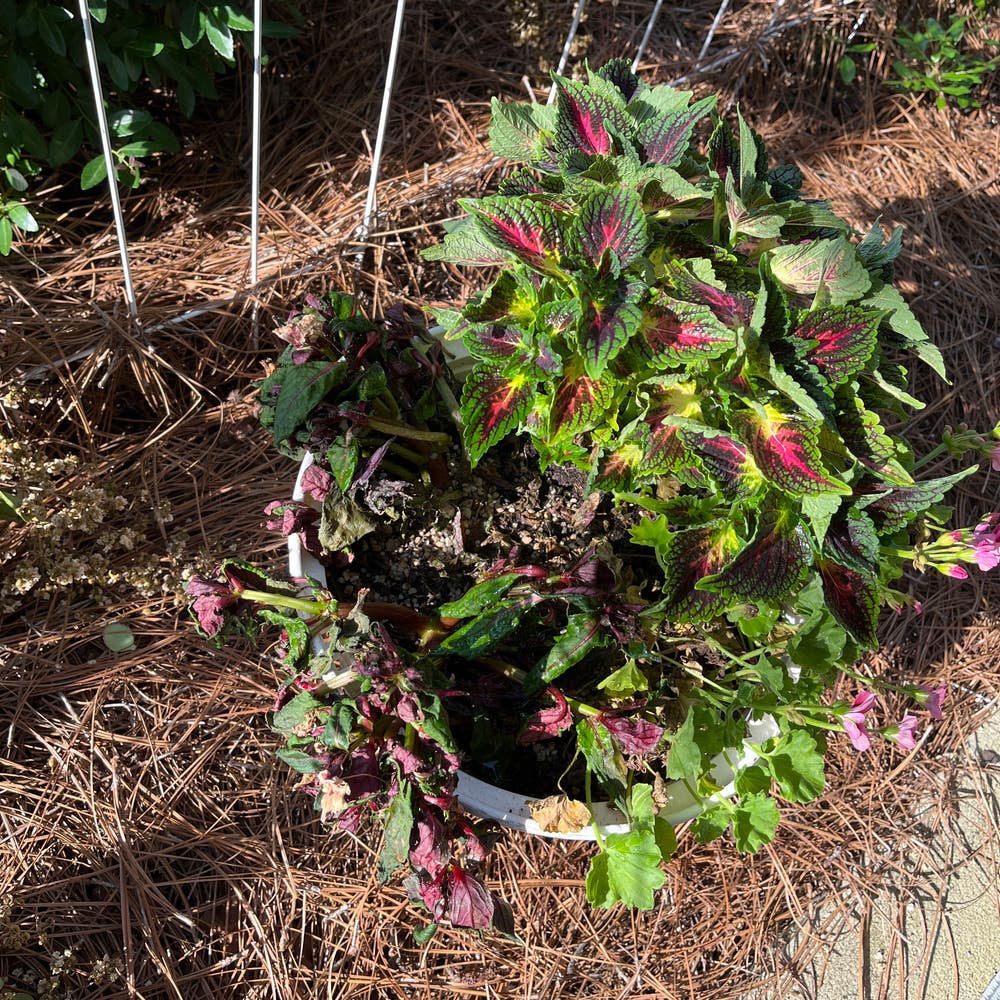
Congo Cockatoo SOS: Rescue Your Plant from Root Rot 🐦
Impatiens niamniamensis
By the Greg Editorial Team
Oct 11, 2024•4 min read
This article was created with the help of AI so we can cover more plants for you. May contain errors. See one? Report it here.
- 💧 Overwatering and poor drainage are primary causes of root rot. Adjust accordingly!
- 🌱 Yellowing leaves and foul odors signal root rot; act quickly to save your plant.
- ✂️ Trim blackened roots and repot in well-draining soil to prevent future issues.
Causes of Root Rot
💧 Overwatering
Overwatering occurs when plants receive excessive water, leading to waterlogged soil. This condition suffocates the roots, preventing them from absorbing the oxygen they need to thrive.
🕳️ Soil Drainage Issues
Proper soil drainage is crucial for plant health. Poorly draining soil retains moisture, creating a perfect environment for harmful fungi to flourish.
🌱 Recommended Soil Types
To combat drainage issues, opt for well-draining potting mixes. These allow excess water to escape, reducing the risk of root rot.
🍄 Fungal Infections
Fungi like Pythium and Phytophthora are common culprits behind root rot. They thrive in conditions of high humidity and stagnant water around the roots, making it essential to monitor your plant's environment.
Understanding these causes is the first step in preventing root rot. By addressing overwatering, drainage, and potential fungal threats, you can keep your Congo Cockatoo healthy and vibrant.
Symptoms Indicating Root Rot
👀 Visual Signs
Yellowing leaves are often the first red flag. This discoloration signals stress and nutrient deficiency, indicating that your plant is struggling.
Wilting is another concerning symptom. Even if you’ve watered adequately, a droopy appearance suggests that the roots are not absorbing water effectively.
Blackened roots are a definitive sign of root rot. Healthy roots should be white or light tan; if you see dark, mushy roots, it’s time to take action.
🕵️♂️ Behavioral Signs
Stunted growth can be frustrating. If your plant shows little to no new growth or develops slowly, it may be suffering from root rot.
A foul odor from the soil is a clear warning. A musty smell indicates decay, suggesting that the roots are in trouble and need immediate attention.
Recognizing these symptoms early can save your plant from severe damage. Stay vigilant and act quickly to ensure a healthy recovery.
Diagnosis Process
Initial Assessment 🌱
To tackle root rot effectively, start with a thorough initial assessment.
- Check soil moisture: Use a moisture meter or simply stick your finger into the soil to gauge its dampness.
- Inspect roots: Gently remove the plant from its pot to get a clear view of the root system.
Confirming Root Rot 🧐
Once you’ve assessed the moisture and roots, it’s time to confirm if root rot is the issue.
- Root examination: Healthy roots should be white or light tan. If you spot black, mushy roots, that’s a clear sign of rot.
- Soil condition: Look for overly wet or compacted soil, which can exacerbate the problem.
By following these steps, you can accurately diagnose root rot and take the necessary actions to save your plant. Next, let’s explore how to treat this pesky issue effectively.
Step-by-Step Guide to Treatment
Dealing with root rot can feel daunting, but with a clear plan, you can save your plant. Follow these steps to give your Congo Cockatoo a fighting chance.
1. Remove the Plant from Its Pot 🌱
Gently take your plant out of its pot. Be careful not to damage the roots as you do this.
2. Trim Away Affected Roots ✂️
Inspect the roots closely. Use sterilized scissors to cut away any blackened or mushy areas, ensuring you only leave behind healthy roots.
3. Clean the Pot 🧼
Disinfect the pot using a bleach solution. This step is crucial to eliminate any lingering pathogens that could harm your plant.
4. Repot in Fresh Soil 🌿
Choose a well-draining potting mix for repotting. This will help prevent future moisture retention and promote healthy root growth.
5. Water Sparingly 💧
After repotting, water your plant sparingly. Allow the soil to dry out between waterings to avoid reintroducing root rot.
Recommended Products
Fungicides 🦠
Consider using fungicides with active ingredients like copper or sulfur. These can help combat any remaining fungal threats.
Soil Amendments 🏗️
To improve drainage, think about adding perlite or sand to your potting mix. This will create a better environment for your plant's roots.
By following these steps, you can effectively treat root rot and help your Congo Cockatoo thrive once again. Next, let’s explore how to regularly care for your plant to prevent recurrence.
Regular Care Tips to Prevent Recurrence
Consistent Monitoring 🌱
Regular checks are essential for maintaining plant health. Aim to inspect soil moisture and overall plant condition weekly to catch any issues early.
Seasonal Considerations 🌦️
Adjust your care routine according to the seasons. Changes in temperature and humidity can affect watering needs, so be proactive to prevent root rot from taking hold.
By staying vigilant and adapting your care, you can keep your Congo Cockatoo thriving and free from root rot. This proactive approach not only enhances your plant's health but also deepens your connection with it.
⚠️ Safety First
This content is for general information and may contain errors, omissions, or outdated details. It is not medical, veterinary advice, or an endorsement of therapeutic claims.
Always consult a qualified healthcare professional before using any plant as food, medicine, or supplement.
Never eat any plant (or feed one to pets) without confirming its identity with at least two trusted sources.
If you suspect poisoning, call Poison Control (800) 222-1222, the Pet Poison Helpline (800) 213-6680, or your local emergency service immediately.
Spotted an error? Please report it here.
Revive your Congo Cockatoo from root rot and thrive 🌱 with Greg's personalized watering reminders and expert tips to keep your plant healthy and happy!