Congo Cockatoo Is Not Considered a Weed 🦜
Impatiens niamniamensis
By the Greg Editorial Team
Oct 11, 2024•5 min read
This article was created with the help of AI so we can cover more plants for you. May contain errors. See one? Report it here.
- 🌱 Congo Cockatoo thrives in diverse light and soil conditions, enhancing garden aesthetics.
- 🐝 Attracts pollinators and supports local wildlife, boosting garden biodiversity.
- 🌿 Non-invasive and adaptable, it's perfect for sustainable gardening practices.
Growth Habits
Typical Growth Patterns 🌱
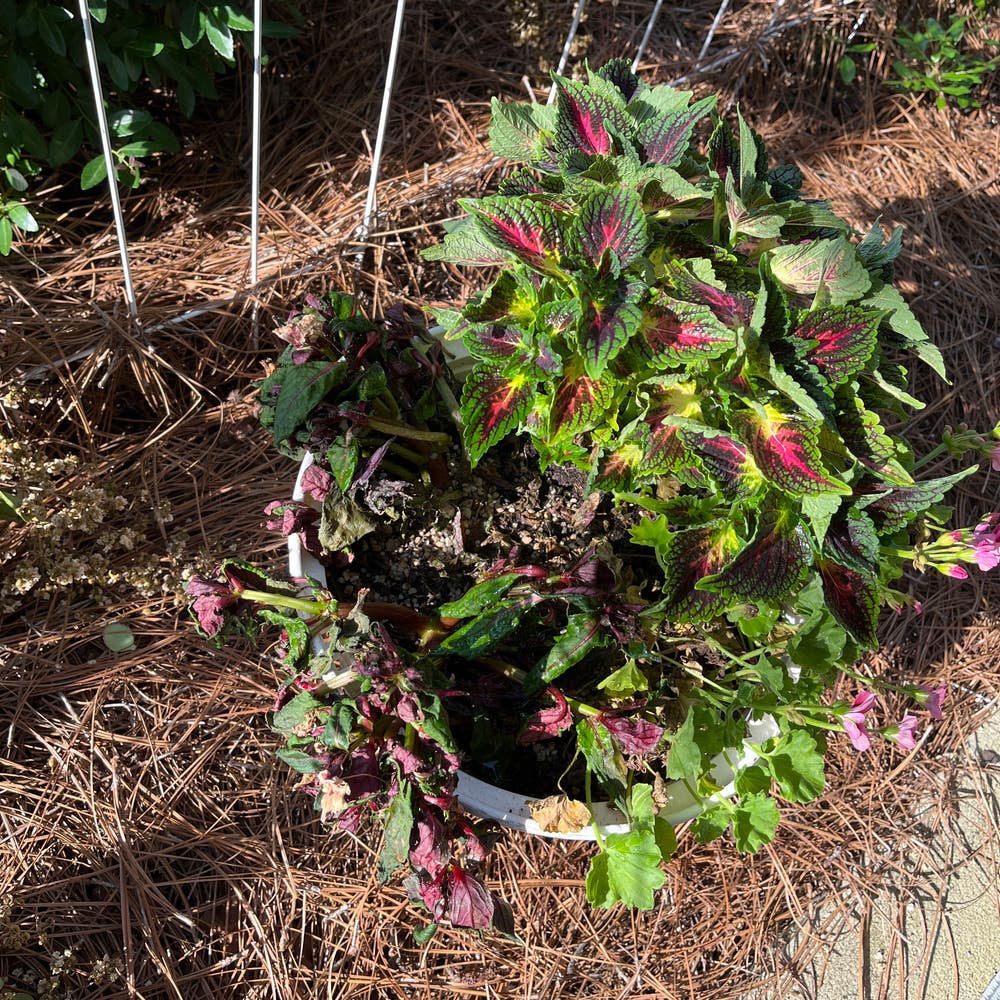
The Congo Cockatoo typically reaches heights of 3 to 5 feet, making it an attractive addition to any garden. Its dense, vibrant leaves not only enhance visual interest but also create a lush backdrop for other plants.
This plant thrives in a range of light conditions, from full sun to partial shade. It prefers well-drained, fertile soils, ensuring it has the nutrients needed for robust growth.
Natural Limits to Growth and Spread Potential 🚧
Several factors can limit the growth of the Congo Cockatoo. It is best suited for tropical to subtropical climates, where it can flourish without stress.
Additionally, it requires consistent moisture but should never be waterlogged. This balance is crucial for its health and longevity.
The plant's spread potential is also influenced by environmental conditions and care practices. Proper management can help maintain its size and prevent unwanted expansion.
With these growth habits in mind, you can effectively incorporate the Congo Cockatoo into your garden, ensuring it thrives while contributing to your landscape's beauty.
Ecological Role
Benefits in Gardens and Ecosystems 🌼
The Congo Cockatoo plays a vital role in enhancing biodiversity. It attracts beneficial pollinators like bees and butterflies, which are essential for a thriving garden.
Additionally, this plant provides habitat for local wildlife. Birds and small mammals find shelter among its dense foliage, creating a lively ecosystem right in your backyard.
Positive Interactions with Local Wildlife 🦜
Supporting local ecosystems is another significant benefit of the Congo Cockatoo. It offers food and shelter for various species, making it a valuable addition to any garden.
Moreover, the plant enhances garden health through increased pollination. This not only boosts the productivity of other plants but also contributes to a balanced environment.
Incorporating the Congo Cockatoo into your garden design can lead to a flourishing habitat that supports both plant and animal life. As we explore garden management next, consider how these ecological benefits can influence your planting choices.
Garden Management
Incorporating into Garden Designs 🌿
When planning your garden, consider the Congo Cockatoo's placement for maximum visual impact. Position it in prominent spots where its vibrant foliage can shine, creating a focal point that draws the eye.
Companion planting is another effective strategy. Pairing the Congo Cockatoo with native plants not only enhances biodiversity but also creates a harmonious ecosystem. This combination can attract beneficial insects and improve overall garden health.
Controlling Growth for Aesthetic Purposes ✂️
To maintain the desired shape and size of your Congo Cockatoo, regular pruning is essential. This simple technique is easy to master and helps keep your plant looking its best.
Additionally, monitoring water and nutrient levels is crucial. Ensuring your plant receives consistent moisture without becoming waterlogged will prevent excessive growth and maintain its aesthetic appeal.
By thoughtfully incorporating the Congo Cockatoo into your garden and managing its growth, you can create a stunning and sustainable landscape. Next, let’s explore how this plant compares to others in your garden.
Comparison to Other Plants
🌿 Similar Non-Invasive Plants
When considering non-invasive plants for your garden, the Congo Cockatoo stands out, but it’s not alone. Native ferns and ornamental grasses are excellent companions, offering unique growth habits and ecological benefits.
Native Ferns: These plants thrive in shaded areas, adding lush greenery without overwhelming other species. They often require less maintenance and provide a soft texture to garden beds.
Ornamental Grasses: Known for their graceful movement in the breeze, these grasses can fill spaces with vibrant colors and textures. They adapt well to various soil types and conditions, making them versatile choices.
Both native ferns and ornamental grasses contribute to biodiversity, just like the Congo Cockatoo, by attracting pollinators and providing habitats for local wildlife.
🌟 Unique Qualities
What sets the Congo Cockatoo apart from its non-invasive counterparts? Its striking visual appeal is hard to miss. The vibrant foliage not only catches the eye but also brings life to any garden setting.
Additionally, the Congo Cockatoo's versatility allows it to thrive in various environments, from sunny spots to partially shaded areas. This adaptability makes it a fantastic choice for gardeners looking to create a dynamic landscape.
Incorporating the Congo Cockatoo alongside other non-invasive plants can enhance your garden's aesthetic and ecological health. As you plan your garden, consider how these plants can work together to create a thriving ecosystem.
With the right mix, your garden can become a haven for both beauty and biodiversity.
Legal and Environmental Considerations
Relevant Classifications and Guidelines 🌱
The Congo Cockatoo is not classified as an invasive species, making it a suitable choice for gardens. However, it's essential to check local regulations regarding its cultivation to ensure compliance with any specific guidelines.
Responsible planting practices are crucial. This includes sourcing plants from reputable nurseries and avoiding wild collection, which can disrupt local ecosystems.
Role in Sustainable Gardening Practices 🌍
Incorporating non-invasive plants like the Congo Cockatoo is vital for sustainable gardening. These plants contribute to biodiversity, supporting various species and enhancing ecosystem health.
By choosing non-invasive options, gardeners can create vibrant spaces that thrive without harming local flora and fauna. This mindful approach fosters a healthier environment for everyone involved.
As we move forward, let's explore how to effectively integrate the Congo Cockatoo into our garden designs for maximum impact.
⚠️ Safety First
This content is for general information and may contain errors, omissions, or outdated details. It is not medical, veterinary advice, or an endorsement of therapeutic claims.
Always consult a qualified healthcare professional before using any plant as food, medicine, or supplement.
Never eat any plant (or feed one to pets) without confirming its identity with at least two trusted sources.
If you suspect poisoning, call Poison Control (800) 222-1222, the Pet Poison Helpline (800) 213-6680, or your local emergency service immediately.
Spotted an error? Please report it here.
Transform your garden into a biodiversity haven 🌿 with the Congo Cockatoo, and let Greg guide you with tailored care tips to ensure your plant thrives in any environment!