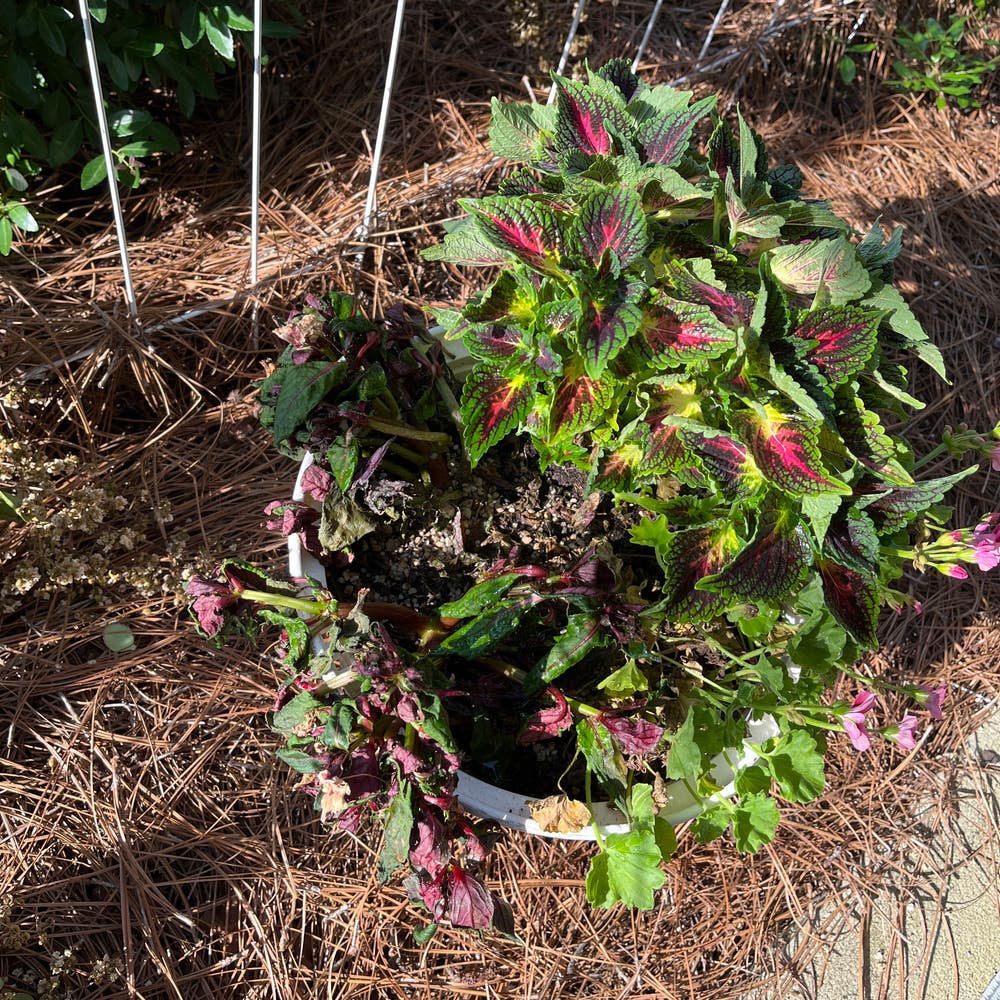
What to Do About Brown Spots on Your Congo Cockatoo 🦜
Impatiens niamniamensis
By the Greg Editorial Team
Oct 11, 2024•4 min read
This article was created with the help of AI so we can cover more plants for you. May contain errors. See one? Report it here.
- 🌡️ Brown spots arise from environmental stress, like temperature and humidity fluctuations.
- 🌿 Nutrient deficiencies and pests can also cause brown spots; monitor regularly for health.
- 💧 Optimal conditions include 50-70% humidity and 65°F to 80°F temperature for thriving plants.
Causes of Brown Spots
🌡️ Environmental Stress Factors
Brown spots on your Congo Cockatoo can often stem from environmental stress. Temperature fluctuations are a primary culprit; maintaining an ideal range of 65°F to 80°F (18°C to 27°C) is crucial for your plant's health.
Humidity levels also play a significant role. Your Congo Cockatoo thrives in 50-70% humidity, and low humidity can lead to stress, manifesting as those pesky brown spots.
Light exposure is another factor to consider. Too much direct sunlight can scorch leaves, causing brown spots that can be mistaken for other issues.
🥦 Nutrient Deficiencies
Nutrient deficiencies can also lead to brown spots. Common deficiencies include nitrogen, potassium, and magnesium, which are vital for your plant's overall health.
Symptoms of nutrient deficiency often include yellowing leaves, stunted growth, and, of course, brown spots. Regular soil testing is essential to check pH and nutrient levels for optimal growth.
🐛 Pest Infestations
Pest infestations are another common cause of brown spots. Watch out for spider mites, aphids, and mealybugs, as these pests can wreak havoc on your plant.
Signs of infestation include sticky residue, webbing, and visible insects on leaves. Pests can weaken the plant, leading to brown spots and overall decline in health.
🍄 Fungal Infections
Fungal infections can also contribute to brown spots. Leaf spot diseases and root rot are two common types that can affect your Congo Cockatoo.
Symptoms often include brown spots with yellow halos and wilting leaves. Conditions that promote fungal growth, such as overwatering and poor air circulation, should be addressed to prevent further issues.
Understanding these causes is the first step in addressing brown spots effectively. Next, we'll explore how to diagnose these issues accurately.
Diagnosing Brown Spots
🕵️ Identifying Symptoms
To effectively diagnose brown spots on your Congo Cockatoo, start with a visual inspection. Look for patterns in discoloration and the texture of the leaves.
The location of the spots is also crucial. Spots near the tips of leaves may indicate different issues than those found at the bases.
🔍 Differentiating Between Causes
Next, differentiate between environmental stress and pest damage. Assess the leaf texture and the overall vigor of the plant to identify the root cause.
For nutrient deficiencies versus fungal infections, pay attention to the color and shape of the spots. These details can provide valuable clues for diagnosis.
🌱 Assessing Plant Health
General health indicators are essential for a thorough assessment. Check the leaf size, growth rate, and overall vigor of your plant.
Regular monitoring is key. Keeping track of changes in leaf appearance can help you catch issues early, ensuring your Congo Cockatoo thrives.
With these diagnostic steps, you’ll be well-equipped to tackle any brown spots that arise. Next, let’s explore treatment options to restore your plant’s health.
Preventive Measures
Optimal Growing Conditions 🌱
Creating the right environment is crucial for your Congo Cockatoo. Aim to maintain a temperature between 65°F to 80°F (18°C to 27°C) and humidity levels of 50-70% to keep your plant thriving.
Light exposure also plays a significant role. Position your plant where it can receive bright, indirect light to avoid scorching its leaves.
Regular Monitoring and Maintenance 🔍
Regular checks can save your plant from potential issues. Inspect leaves weekly for early signs of brown spots or other abnormalities.
Keeping a record of changes in plant health helps you spot trends. This practice can guide you in making timely adjustments to care routines.
Proper Watering Techniques 💧
Watering consistently is key to preventing brown spots. Ensure even moisture distribution by using a watering method that saturates the soil without flooding it.
Don't underestimate the importance of drainage. Always use pots with drainage holes to prevent root rot, which can lead to severe health issues for your plant.
Humidity Control 🌬️
Increasing humidity can make a world of difference. Consider using humidifiers, pebble trays, or grouping plants together to create a more humid microenvironment.
Monitoring humidity levels is essential for success. Invest in a hygrometer to keep accurate track of moisture in the air, ensuring your Congo Cockatoo stays happy and healthy.
By implementing these preventive measures, you can create a thriving environment for your Congo Cockatoo, minimizing the risk of brown spots and other health issues. Next, let’s explore how to diagnose brown spots effectively.
⚠️ Safety First
This content is for general information and may contain errors, omissions, or outdated details. It is not medical, veterinary advice, or an endorsement of therapeutic claims.
Always consult a qualified healthcare professional before using any plant as food, medicine, or supplement.
Never eat any plant (or feed one to pets) without confirming its identity with at least two trusted sources.
If you suspect poisoning, call Poison Control (800) 222-1222, the Pet Poison Helpline (800) 213-6680, or your local emergency service immediately.
Spotted an error? Please report it here.
Keep your Congo Cockatoo thriving 🌱 by using Greg's tailored care reminders to maintain optimal conditions and tackle brown spots before they become a problem!