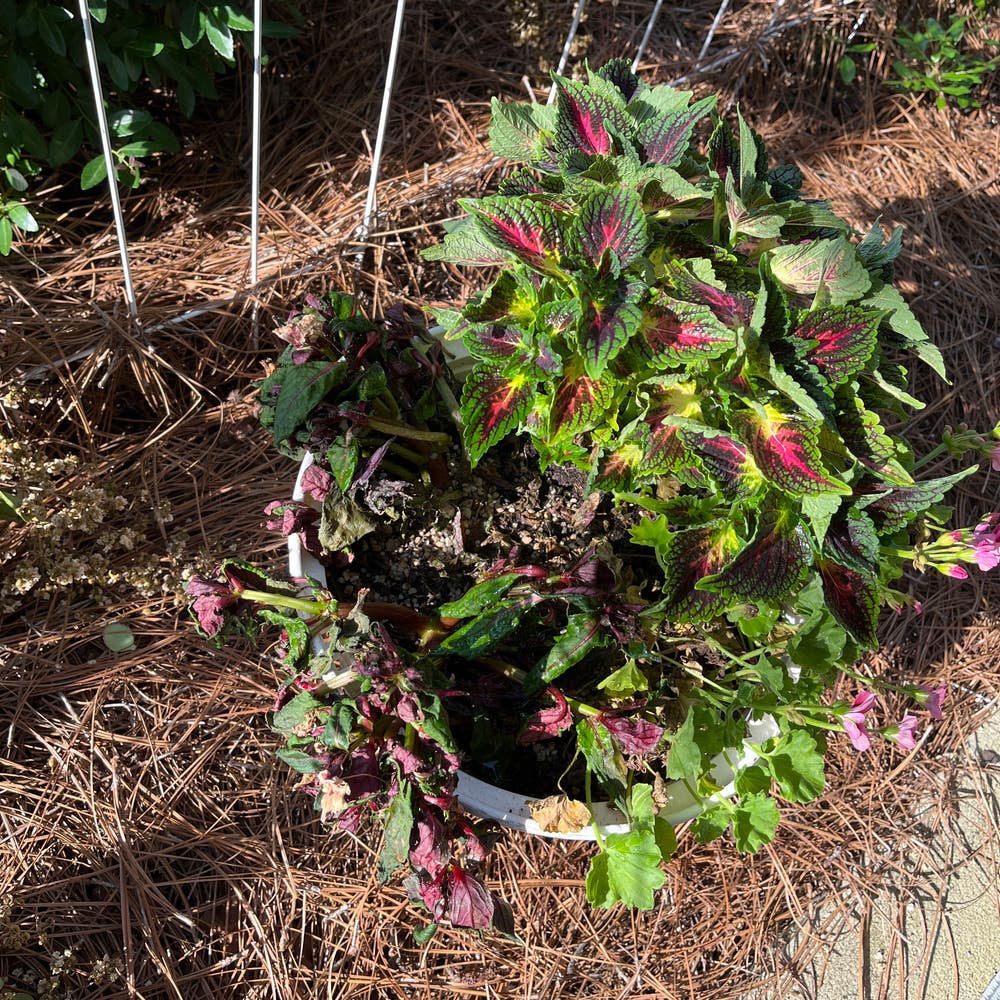
How Fast Your Congo Cockatoo Will Grow 🦜
Impatiens niamniamensis
By the Greg Editorial Team
Oct 11, 2024•3 min read
This article was created with the help of AI so we can cover more plants for you. May contain errors. See one? Report it here.
- 🌱 Congo Cockatoo seeds germinate in 2 to 4 weeks with proper temperature and moisture.
- 🌼 Flowering occurs 6 to 12 months post-germination, attracting pollinators for fertilization.
- ⏳ Full lifecycle from seed to maturity takes 1 to 2 years with optimal care.
Life Cycle of Congo Cockatoo
🌱 Germination Stage
Duration of Germination
The germination period for Congo Cockatoo seeds typically lasts between 2 to 4 weeks. Factors like temperature, moisture, and seed quality can significantly influence this timeframe.
Conditions for Successful Germination
To ensure successful germination, maintain an optimal temperature range of 20°C to 25°C (68°F to 77°F). Use a well-draining, nutrient-rich substrate, keep moisture levels consistent without waterlogging, and provide indirect sunlight to prevent overheating.
🌿 Seedling Stage
Characteristics of Seedlings
During the seedling stage, you'll notice small, tender leaves that boast a vibrant green color. The root system starts shallow but expands as the plant matures.
Duration of the Seedling Stage
This stage typically lasts 4 to 6 weeks. Look for signs of readiness, such as the formation of true leaves and increased stem strength, to know when the plant is ready to progress.
🌳 Vegetative Growth Stage
Growth Patterns and Duration
The vegetative growth stage spans approximately 3 to 6 months. Expect rapid expansion of both foliage and the root system during this time.
Notable Changes During Vegetative Growth
As the plant grows, you'll see larger, more robust leaves with distinct coloration. The stem thickens to support future growth, and the plant can reach heights of up to 1 meter (3 feet).
🌸 Flowering Stage
Timing of Flowering
Flowering typically begins 6 to 12 months after germination. Changes in light duration and temperature serve as environmental triggers for this exciting phase.
Characteristics of Flowers
The flowers are bright and large, designed to attract pollinators. Pollination occurs through the involvement of insects or wind, ensuring successful fertilization.
🌾 Seed Production Stage
Duration and Process of Seed Production
Seed production lasts about 2 to 3 months post-flowering. Seeds develop within flower pods, requiring specific conditions for ripening.
Importance of Seed Production in the Life Cycle
Seed production is crucial for propagation, ensuring the continuation of the species. It also contributes to genetic diversity, enhancing the adaptability of the Congo Cockatoo in various environments.
⏳ Overall Lifespan
Average Lifespan of Congo Cockatoo
Under optimal conditions, the typical lifespan of a Congo Cockatoo ranges from 20 to 30 years.
Factors Affecting Growth and Lifespan
Environmental conditions such as soil quality, water availability, and light exposure play a significant role in growth and lifespan. Additionally, pests and diseases can impact overall plant health and growth rate.
🔄 Notable Changes During Growth
As the plant transitions from seed to maturity, you'll observe significant changes in size, structure, and appearance. Visual indicators of maturity include alterations in leaf shape, flower development, and overall plant vigor.
📅 Lifecycle Timeline
Here's a quick summary of each stage with estimated durations:
- Germination: 2-4 weeks
- Seedling: 4-6 weeks
- Vegetative growth: 3-6 months
- Flowering: 6-12 months
- Seed production: 2-3 months
In total, expect approximately 1 to 2 years until full maturity, depending on environmental factors and care practices.
This lifecycle showcases the fascinating journey of the Congo Cockatoo, from seed to a vibrant, mature plant. Each stage is crucial for its development and survival, making it a remarkable species to observe and nurture.
⚠️ Safety First
This content is for general information and may contain errors, omissions, or outdated details. It is not medical, veterinary advice, or an endorsement of therapeutic claims.
Always consult a qualified healthcare professional before using any plant as food, medicine, or supplement.
Never eat any plant (or feed one to pets) without confirming its identity with at least two trusted sources.
If you suspect poisoning, call Poison Control (800) 222-1222, the Pet Poison Helpline (800) 213-6680, or your local emergency service immediately.
Spotted an error? Please report it here.
Nurture your Congo Cockatoo from seed to maturity in just 1 to 2 years with Greg's tailored care tips 🌿 that ensure vibrant growth and flourishing blooms every step of the way!