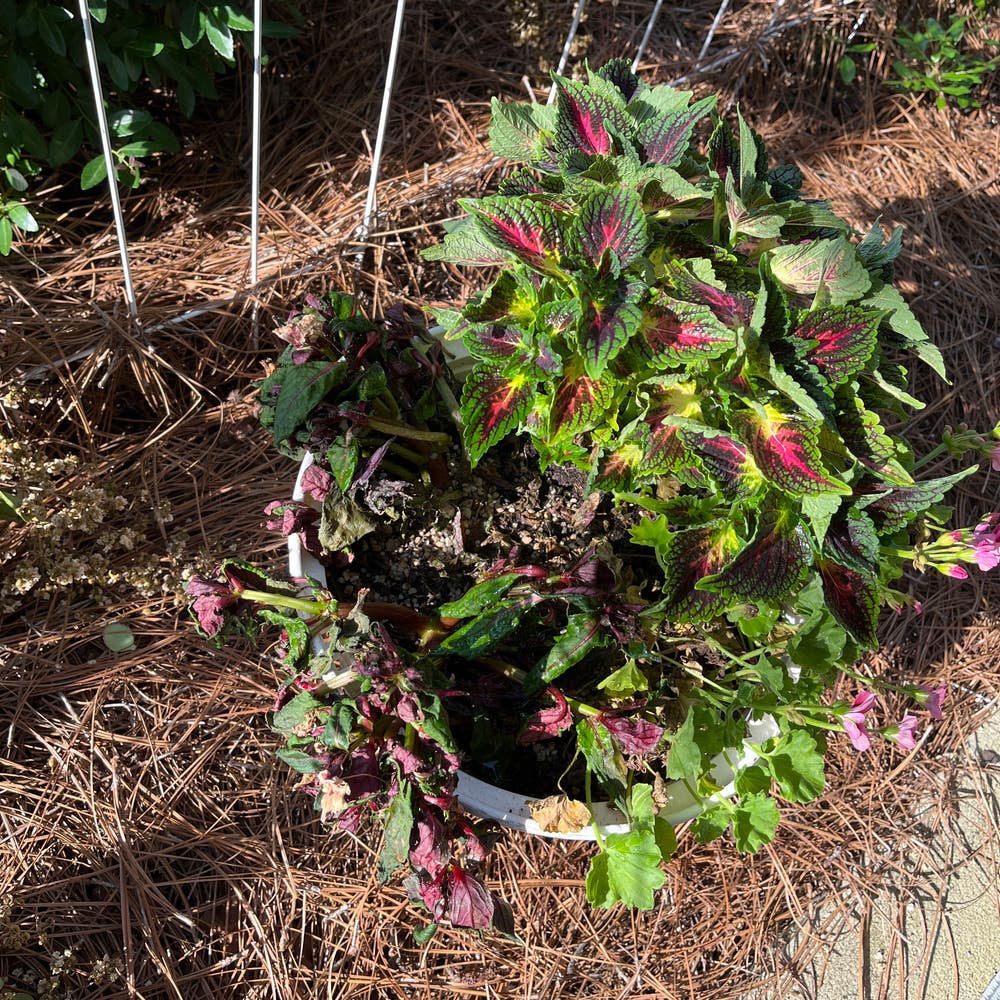
What Are The Bugs on My Parrot Impatiens? 🐞
Impatiens niamniamensis
By the Greg Editorial Team
Feb 09, 2024•4 min read
This article was created with the help of AI so we can cover more plants for you. May contain errors. See one? Report it here.
- Discoloration and webbing signal pest infestations on Parrot Impatiens.
- Natural predators and soaps effectively combat common pests.
- Prevent pests with proper watering, humidity, and regular inspections.
Spotting the Invaders: Signs of Infestation
🐜 Telltale Signs on Leaves and Stems
Leaves and stems are the billboards for pest distress signals. Discoloration is a dead giveaway; think yellow or brown leaves screaming, "Help!" Spider mite fans leave behind their signature webbing, while sticky residues are the pest equivalent of graffiti tagging by scale insects and mealybugs. If your plant's leaves look more speckled than a dalmatian, it's time to play detective.
🪲 Unwanted Guests in the Soil
Fungus gnats are the ultimate party animals of moist environments. If you spot these tiny ravers, it's a clear sign your soil is more nightclub than nursery. They're not just annoying; they're a red flag for overwatering or poor drainage. Remember, fungus gnats don't RSVP; they just show up when the soil's too wet. Keep the soil dry, and you'll crash their party.
Meet the Usual Suspects
🕷️ Spider Mites
Tiny web-spinners can wreak havoc on Parrot Impatiens. Look for fine webs and a speckled appearance on leaves, signaling a spider mite shindig. In dry conditions, these pests thrive, turning leaves yellow and causing them to drop.
🛡️ Scale Insects
Scale insects are masters of disguise, resembling small bumps on plant surfaces. They latch onto stems and leaves, sapping the life out and leaving behind sticky honeydew. This goo can lead to sooty mold, a sign you've got scale squatters.
🦟 Fungus Gnats and Fruit Flies
Fungus gnats and fruit flies are the party crashers of moist soil. If you see tiny flies buzzing around your plant or a sudden cloud when you move it, it's time to crash their bash. These pests love overwatered soil, so keep it on the drier side to avoid an infestation.
🐛 Mealybugs
Mealybugs are the fluffy white pests that look like they're dressed in cotton. They cluster in cozy groups, sucking sap and excreting honeydew. This can lead to mold and attract other unwanted guests. Spot them early, or they'll invite the whole neighborhood.
🦗 Aphids
Aphids are the clingy friends of the bug world, forming tight-knit groups on new growth and undersides of leaves. They come in various colors and love to feast on your plant's sap, often leaving behind a sticky residue.
🦋 Whiteflies
Whiteflies are the surprise confetti of the pest world. Disturb your plant, and a flurry of these tiny white insects will burst into the air. They leave behind a sticky mess and can cause a black mold to develop, so keep an eye out for these fluttering fiends.
Battling the Bugs: Effective Remedies
🐞 Natural Predators and Biological Controls
Ladybugs and lacewings aren't just pretty faces; they're voracious predators of aphids and mites. Release them near your Parrot Impatiens and let nature's hitmen do the work. For a more controlled approach, biological controls like Neem oil can act as a botanical bouncer, keeping those pests in check.
🧼 Insecticidal Soaps and Oils
When the bug situation gets real, insecticidal soaps step up. They're the ninja warriors of pest control—silent and deadly to those soft-bodied invaders. Apply directly to the pests, and repeat every few days. For a slicker move, horticultural oils can smother pests, disrupting their nefarious plans. Use as directed to avoid any friendly fire on your plants.
👐 Manual Interventions
Sometimes, you just need to get your hands dirty. Spot a bug? Show it the underside of your thumb with the ol' squish-and-remove. Set up barriers or sticky traps to catch those critters in the act. If you're feeling merciful, give them a soapy bath in a bucket of doom. Remember, consistency is your ally here; keep up the defenses, and your Parrot Impatiens will thank you.
Prevention: Keeping Your Parrot Impatiens Pest-Free
🌿 Environmental Controls
Humidity is a friend to your Parrot Impatiens, but an enemy to pests. Aim for that sweet spot of at least 40% to keep your plants thriving and bugs at bay. Watering should be consistent—moist, but not soggy, to avoid attracting the wrong crowd. Cleanliness isn't just for show; it's a pest deterrent. Keep the foliage dust-free and the area around your plant clear of debris.
🔍 Regular Inspections
Be the Sherlock of your garden. Regular inspections are crucial. Look for early signs of uninvited guests—discoloration, sticky residues, or webbing. Catching these signs early can mean the difference between a minor annoyance and a full-blown infestation.
🚧 Quarantine for New Additions
New plants are exciting but can be Trojan horses for pests. Quarantine them for about six weeks. This isn't plant jail; it's a precaution. Inspect every nook and cranny—leaves, stems, and soil. If pests are there, they'll show up during this time, saving the rest of your collection from an unwanted invasion.
⚠️ Safety First
This content is for general information and may contain errors, omissions, or outdated details. It is not medical, veterinary advice, or an endorsement of therapeutic claims.
Always consult a qualified healthcare professional before using any plant as food, medicine, or supplement.
Never eat any plant (or feed one to pets) without confirming its identity with at least two trusted sources.
If you suspect poisoning, call Poison Control (800) 222-1222, the Pet Poison Helpline (800) 213-6680, or your local emergency service immediately.
Spotted an error? Please report it here.
Keep your Parrot Impatiens bug-free 🌿 with Greg's custom care plans and early detection alerts, ensuring your plants stay healthy and vibrant.