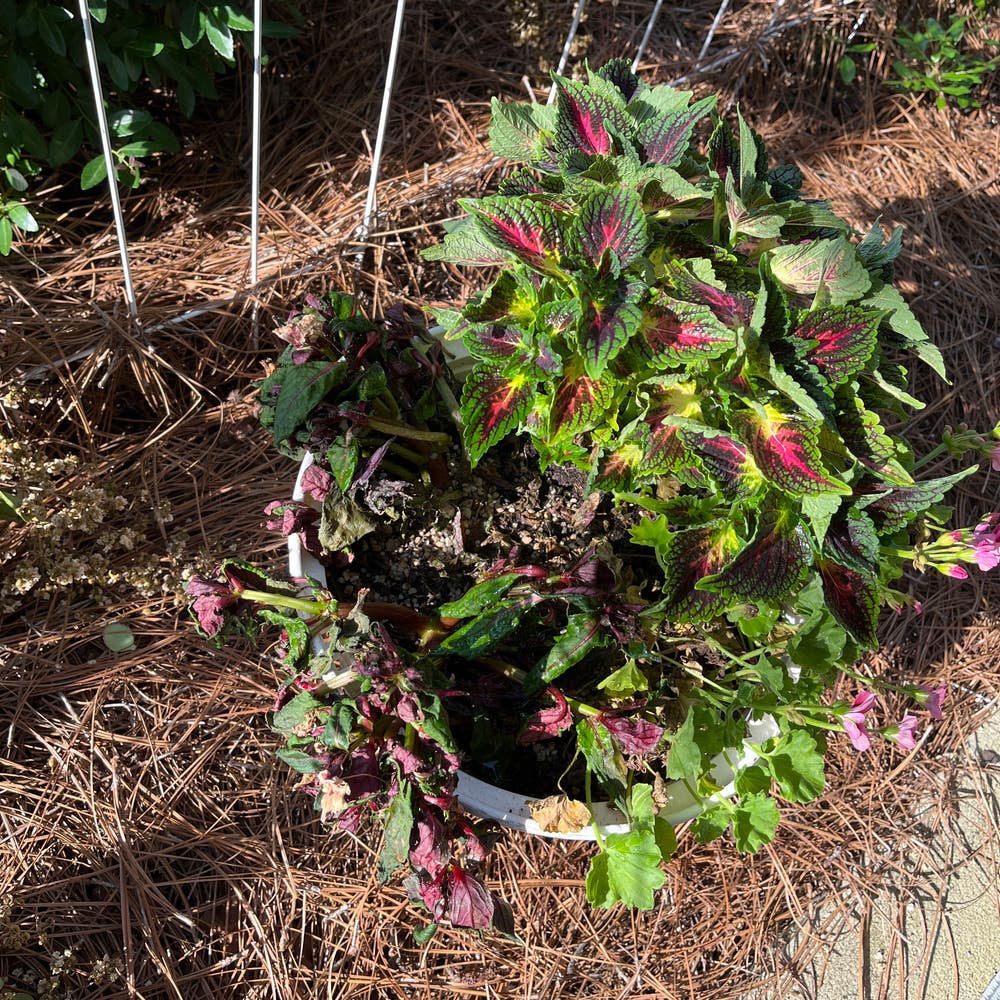
Why Are My Parrot Impatiens Leaves Dropping?
Impatiens niamniamensis
By the Greg Editorial Team
Feb 09, 2024•5 min read
This article was created with the help of AI so we can cover more plants for you. May contain errors. See one? Report it here.
- Excessive leaf drop signals distress; monitor and adjust care.
- 🌡️ Temperature and humidity balance is crucial for leaf retention.
- Combat pests and diseases with regular inspections and prompt treatment.
Spotting the Signs: Leaf Drop in Parrot Impatiens
🍂 Identifying the Symptoms: Normal vs. Excessive Leaf Drop
Consistency is key when monitoring your Parrot Impatiens for leaf drop. A few leaves detaching here and there shouldn't set off any alarms; it's part of the plant's natural rhythm. But when your green buddy starts shedding like it's preparing for a leafless winter, it's time to sit up and take notice. Look for discoloration, spots, or any signs that scream "plant in peril!"
⏰ Timing Matters: Seasonal vs. Stress Signals
Leaf drop can be as seasonal as pumpkin spice lattes, but when it's out of sync with the calendar, it's more like a plant panic button. If you notice an irregular pattern of leaf loss, coupled with wilting or other unhappy plant symptoms, it's not just a phase. It's a distress signal that your Parrot Impatiens is in a tight spot and needs some TLC, stat.
The Thirst Quandary: Watering Woes
💦 Too Much Love: How Overwatering Leads to Soggy Situations and Leaf Loss
Overwatering is the helicopter parent of plant care—too much hovering, and your Parrot Impatiens' roots are gasping for air. Soggy soil is a no-go; it's the botanical equivalent of waterlogged boots all day, every day. Cut back on the H2O and let the soil dry out a bit. Think of terracotta pots as the breathable sneakers for your plants, allowing roots to avoid a case of trench foot. And those drainage holes? They're not just there for their good looks—keep them clear.
Mulch can be a game-changer, acting like a thermostat for soil moisture—not too wet, not too dry. It's like the Goldilocks zone for your green buddy's roots. And remember, a balanced fertilizer is like a well-rounded diet; it keeps your plant robust without the risk of a nutrient hangover.
💧 When Neglect Hits Hard: The Effects of Underwatering on Parrot Impatiens
Underwatering is the forgotten middle child that leaves your Parrot Impatiens drooping like they've just heard the worst joke. Crispy tips and leaves falling faster than autumn in fast-forward are your plant's way of saying, "Hey, I'm parched over here!" The soil should feel like a day-old sponge—slightly damp, but definitely not drenched.
If you've been stingy with the watering can, it's time to step up. Consistency is key—set a schedule that keeps the soil's thirst quenched without going overboard. And keep an eye out for pests; they love a drought almost as much as they love a flood. It's all about balance—like walking a tightrope with a watering can in one hand and common sense in the other.
Feeling the Heat: Environmental Stress
🌡️ Temperature Tantrums
Finding the sweet spot for your Parrot Impatiens is crucial. They dislike the extremes, preferring a stable, comfortable range. Too hot and their leaves might wilt or scorch, too cold and growth could stunt. Keep them out of direct sunlight and away from drafts to avoid these temperature-induced dramas.
💦 Humidity Hang-ups
The right humidity level is key for leaf retention. Parrot Impatiens thrive in moderate moisture. Air that's too dry can cause leaves to curl and drop. Use a humidifier or a pebble tray to maintain ambient moisture, aiming for that 40-60% sweet spot. It's about creating a consistent microclimate that doesn't stress out your plant.
The Unseen Enemies: Pests and Diseases
🐛 Bug Battles
Aphids, spider mites, and mealybugs are the usual suspects when your Parrot Impatiens start shedding leaves like it's going out of style. These pests are like the worst kind of party crashers, sucking the life out of your plants. To catch these freeloaders, look for sticky residue or fine webs under the leaves. Mealybugs are less ninja-like, flaunting their fluffy white bodies in the nooks of your plant. If you spot them, show no mercy—dab them with alcohol on a cotton swab.
🍄 Fungal Foes and Bacterial Bad Guys
Fungi and bacteria are the silent but deadly types, causing chaos without the dramatic entrance. Fungal diseases like powdery mildew make themselves known with a white, powdery substance on leaves, while root rot is more of a behind-the-scenes problem, causing leaves to wilt and drop. Bacterial leaf spot, though less common, is no less of a headache, presenting as wet, mushy areas on leaves. Keep leaves dry, water at the base, and don't shy away from pruning or using fungicide when necessary.
Remember, these are not just problems for your plant; they're a test of your plant-parenting mettle. Regular inspections and prompt action are your best defense. Keep those leaves on lockdown, and don't let the unseen enemies win.
Bouncing Back: Remedies and Prevention
💧 Watering Wisdom
Consistency is your Parrot Impatiens' best friend when it comes to watering. Dial in a schedule that allows the soil to dry slightly between waterings. If leaves begin to fall, touch the soil. Soggy? Ease up on the H2O. Bone dry? Time to hydrate.
🌿 Creating Comfort
Your plant doesn't need a weather app to know when conditions aren't right. Aim for steady temperatures and moderate light—think comfortable living room, not a desert or a rainforest. Airflow matters too; a gentle fan can prevent the air from getting as stale as last week's bread.
👀 Vigilance and Victory
Regular check-ups are non-negotiable. Spot a bug or a funky-looking leaf? Act fast. Prevention beats cure, so keep your plant's environment cleaner than a whistle. If you've had a run-in with root rot, ensure your soil is as well-draining as a colander.
Remember, a plant's health is a reflection of your care. Adjust, observe, and stay on your toes. Your Parrot Impatiens will thank you with vibrant leaves that stick around longer than your favorite seasonal latte.
⚠️ Safety First
This content is for general information and may contain errors, omissions, or outdated details. It is not medical, veterinary advice, or an endorsement of therapeutic claims.
Always consult a qualified healthcare professional before using any plant as food, medicine, or supplement.
Never eat any plant (or feed one to pets) without confirming its identity with at least two trusted sources.
If you suspect poisoning, call Poison Control (800) 222-1222, the Pet Poison Helpline (800) 213-6680, or your local emergency service immediately.
Spotted an error? Please report it here.
Prevent those Parrot Impatiens leaves from dropping by letting Greg monitor 🕵️♂️ their care, ensuring the perfect watering balance and a happy, healthy plant.