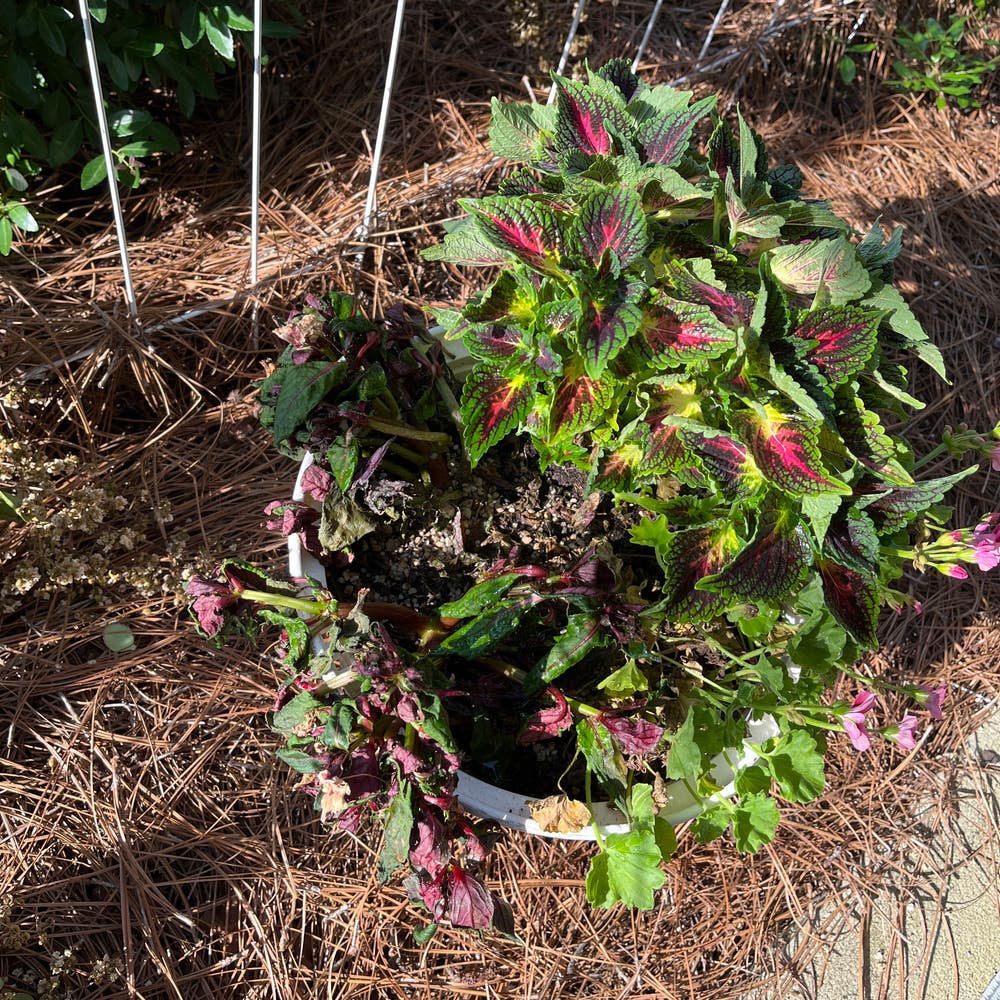
🦜 How Do I Cure Parrot Impatiens Root Rot?
Impatiens niamniamensis
By the Greg Editorial Team
Feb 09, 2024•5 min read
This article was created with the help of AI so we can cover more plants for you. May contain errors. See one? Report it here.
- Yellow leaves and drooping signal root rot in Parrot Impatiens.
- Trim roots, adjust watering, and repot with well-draining soil for recovery.
- Prevent with proper watering, pot selection, and humidity control.
Spotting the Red Flags: Symptoms of Root Rot in Parrot Impatiens
💛 Yellow Alert: Discoloration and Drooping Leaves
Parrot Impatiens' leaves don't just turn yellow for the fun of it. This discoloration, coupled with a droopy demeanor, is your plant waving a flag of distress. It's not just feeling under the weather—it's signaling root rot.
🌱 Growth Stagnation: When Your Plant Stops Thriving
If your Parrot Impatiens has hit a growth wall, it's time to sit up and take notice. Stunted growth isn't a sign of a plant on a diet; it's a cry for help from below the soil surface.
🕵️ The Root of the Problem: Inspecting Below the Soil
To confirm your suspicions, you'll need to get your hands dirty. Gently coax your plant from its pot and examine the roots. If they're brown, mushy, or carry the scent of last week's trash, it's time to declare a state of emergency for your Parrot Impatiens.
The Rescue Mission: Treating Root Rot Step by Step
🌱 First Aid for Roots: Trimming the Damage
Root rot in Parrot Impatiens is like a silent alarm—act fast. Begin by gently removing your plant from its pot and wash away the soil to reveal the roots. Grab your sterilized shears; it's time for some precision snipping. Cut off all the mushy, discolored roots, leaving only the healthy, white ones. After surgery, let the roots air out to prevent further bacterial growth.
💧 Drying Out: Adjusting Your Watering Habits
Overwatering is the usual suspect in root rot cases. To avoid a repeat, allow the top inch of soil to dry out before watering again. Stick your finger in the soil—if it feels like a damp sponge, hold off on the H2O. Remember, your watering schedule should adapt to the seasons; plants drink less in the cooler months.
🌱 Soil Revival: Choosing and Changing the Soil Mix
Once the roots are on the mend, it's time for a soil switch-up. Opt for a well-draining mix that's like a comfy bed for your plant's roots—airy and light. Mix in some perlite or coarse sand to improve drainage. When repotting, choose a pot with drainage holes to avoid waterlogging. This isn't just a new home for your Parrot Impatiens; it's a fresh start.
Fungus Among Us: Battling Root Rot with Fungicides
🌱 Going Organic: Natural Fungicidal Solutions
Neem oil and biological fungicides are your green-shield against root rot. They're like the gentle giants of the fungicide world, tough on disease but kind to the earth. Use products like Actinovate or Serenade to bolster your plant's defenses naturally. Remember, these are helpers, not miracle workers; they're part of a broader strategy known as Integrated Pest Management (IPM).
For those who prefer the DIY route, a baking soda mixture—½ teaspoon per gallon of water—can offer mild relief. It's a soft touch in the fight against root rot, but don't expect it to throw the knockout punch alone. Keep your tools sterilized and your infected plants quarantined to prevent the spread of the disease.
💣 Chemical Warfare: When to Use Stronger Fungicides
When natural remedies don't cut it, it's time for the heavy hitters. Chemical fungicides like iprodione or fenhexamid may be necessary. But heed this: always spot-test first. You're not nuking the site from orbit; you're administering precision strikes. Follow the label as if it's the law and rotate your fungicides to prevent resistant fungi from staging a coup.
If the situation is dire, consider a soil drench with products containing mefenoxam. But remember, more isn't better; it's just more. Use the exact amount prescribed—this isn't a case of the more, the merrier. Post-treatment, keep your tools as clean as a whistle to avoid any unwanted replays of the root rot saga.
Fortifying Your Plant: Prevention Strategies for the Future
💧 Water Wisdom: Perfecting Your Watering Technique
Watering your Parrot Impatiens is less about sticking to a strict schedule and more about understanding its needs. Moist soil is the goal, but let the top layer dry out before you reach for the watering can again. Early morning is prime time, allowing the plant to dry under the day's sun, reducing the risk of fungal diseases.
🏡 Home Sweet Home: Selecting the Right Pot and Location
Choosing the right pot is like picking a good house for your plant; it needs a solid foundation with proper drainage. Ensure your pot has holes and consider adding a layer of pebbles at the bottom to prevent water from pooling. Location-wise, find a spot with indirect light where your Parrot Impatiens can bask without the risk of sunburn.
🌡 Climate Control: Managing Humidity and Airflow
Your plant doesn't just need the right amount of water; it needs the right humidity and airflow too. Stagnant air invites trouble, so keep the air moving around your plant. Grouping plants can help maintain a stable environment, but don't let them get too cozy—air circulation is key. Adjust your care with the seasons; your plant's needs will change just like your wardrobe does.
⚠️ Safety First
This content is for general information and may contain errors, omissions, or outdated details. It is not medical, veterinary advice, or an endorsement of therapeutic claims.
Always consult a qualified healthcare professional before using any plant as food, medicine, or supplement.
Never eat any plant (or feed one to pets) without confirming its identity with at least two trusted sources.
If you suspect poisoning, call Poison Control (800) 222-1222, the Pet Poison Helpline (800) 213-6680, or your local emergency service immediately.
Spotted an error? Please report it here.
Prevent Parrot Impatiens root rot and nurture resilient roots 🌿 with Greg's custom watering schedules and plant care alerts, tailored to keep your green friends thriving.