Best Potting Soil Mix for Parrot Impatiens
Impatiens niamniamensis
By the Greg Editorial Team
Feb 09, 2024•4 min read
This article was created with the help of AI so we can cover more plants for you. May contain errors. See one? Report it here.
- 🚫 Mold and compacted soil signal distress; fix with better drainage.
- Peat moss, perlite, compost: Essential for Parrot Impatiens' potting mix.
- 🌱 Regular soil checks and repotting keep your Impatiens thriving.
Spotting and Fixing Unhappy Parrot Impatiens Soil
Signs Your Soil is Bringing Your Plant Down
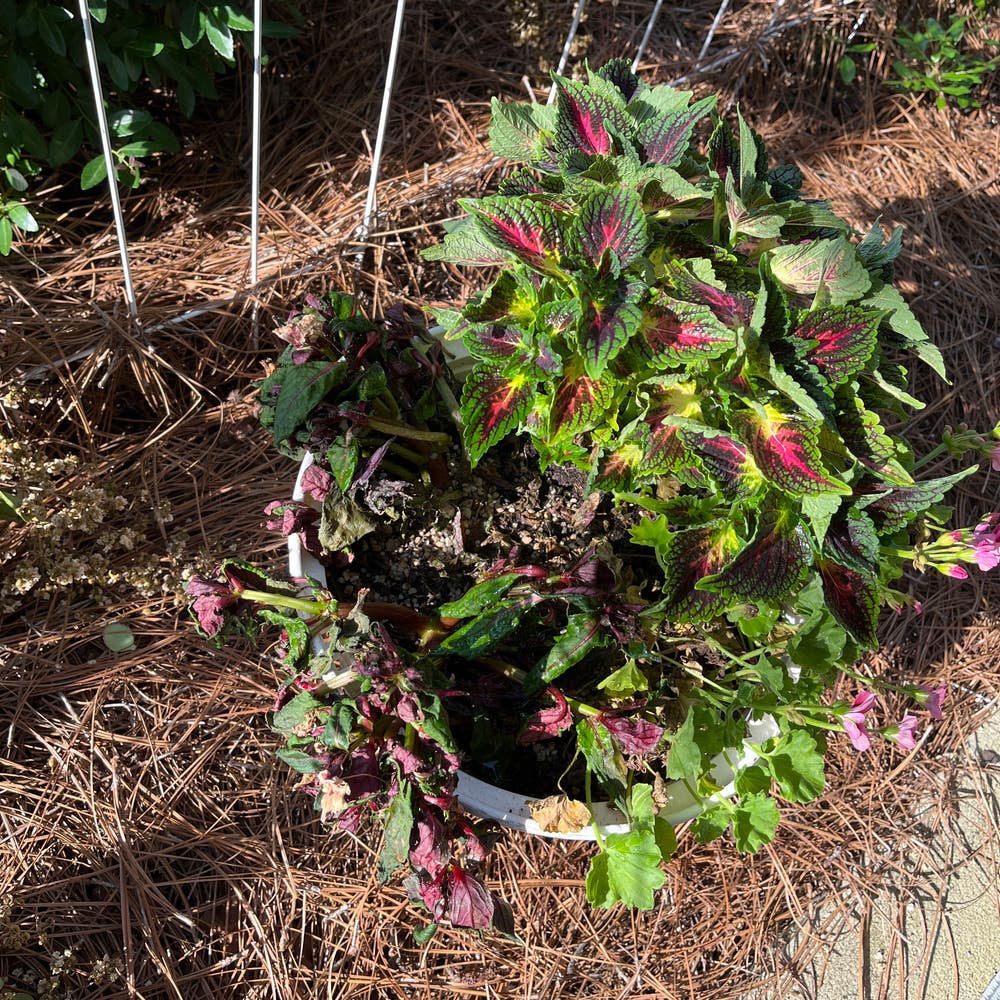
Mold on your Parrot Impatiens' soil isn't a design feature—it's a red flag. If you spot a fuzzy growth, it's time to take action. Yellow leaves or a wilted demeanor scream "help!" and often point to soil distress. Compacted soil that feels like last week's leftovers is another sign your Impatiens are suffocating.
The Soil Rescue Mission
💧 Waterlogged soil needs a quick fix. Cut back on watering and ensure your pot has drainage holes that aren't just for show. If the soil feels more like a swamp than a nurturing ground, mix in coarse sand or perlite to improve drainage and aeration. When mold has made itself at home, evict it by repotting with a fresh, sterile mix—keeping it on the drier side to prevent a mold comeback tour. Remember, consistent watering is your best defense against turning your pot into a plant's nightmare.
Crafting the Ultimate Potting Mix
🌱 The Dream Team of Soil Ingredients
Creating a potting mix for Parrot Impatiens is like putting together a championship sports team; every ingredient has a crucial role. Peat moss is the MVP for moisture, while perlite brings the necessary aeration to the game. Together, they create a foundation that's both hydrating and breathable.
Compost steps in as the all-star player, enriching the mix with a nutrient boost. It's essential for a thriving plant, much like a balanced diet is for peak athletic performance. When eyeing commercial mixes, look for these key players on the label. They're the sign of a mix that can go the distance.
🌿 DIY Soil Mix for the Hands-On Gardener
Roll up your sleeves; it's time to mix. Start with 2 parts peat moss for that moisture-retaining base. Add 1 part perlite to keep things light and airy. Then, sprinkle in 1 part compost for a nutrient kick. Mix it like you mean it—uniformity is your goal.
Achieving the right balance is crucial. Your mix should feel like a fluffy cloud, not a soggy sponge or a dry desert. It's about hitting that sweet spot where moisture, aeration, and nutrients come together in harmony. Get this right, and your Parrot Impatiens will thank you with vibrant growth.
Keeping the Good Times Rolling: Maintaining Ideal Soil Conditions
🌱 Regular Check-Ups for Your Soil
Monthly inspections are your soil's health check-ups. Look for signs of compaction or poor drainage—these are the silent killers of root respiration. To prevent your Parrot Impatiens from suffocating, fluff the soil gently to promote air flow.
Adjust your care routine with the seasons. Water less in winter, more in summer. It's like updating your wardrobe; you wouldn't wear a winter coat in July, so don't drown your Impatiens in off-season watering habits.
🌿 When to Say Goodbye: Repotting and Soil Refresh
Root crowding is a clear signal; when the roots start to look like a packed subway at rush hour, it's time for a bigger pot. Also, if the soil starts to resemble a stale cake rather than a moist, crumbly brownie, it's time for a refresh.
Repotting doesn't have to be a drama. Choose a pot that's one size larger, and be gentle with the roots. Cover the drainage holes with a coffee filter to prevent soil escape. It's like having a bouncer for your pot—only the water gets through.
Remember, post-repot care is crucial. Maintain a consistent watering schedule, and let the topsoil dry slightly between waterings. Keep those leaves clean and dust-free for maximum photosynthetic performance. And, plan to repot every 2 to 3 years to keep your Parrot Impatiens living its best life.
⚠️ Safety First
This content is for general information and may contain errors, omissions, or outdated details. It is not medical, veterinary advice, or an endorsement of therapeutic claims.
Always consult a qualified healthcare professional before using any plant as food, medicine, or supplement.
Never eat any plant (or feed one to pets) without confirming its identity with at least two trusted sources.
If you suspect poisoning, call Poison Control (800) 222-1222, the Pet Poison Helpline (800) 213-6680, or your local emergency service immediately.
Spotted an error? Please report it here.
Revitalize your Parrot Impatiens with a custom soil mix and let Greg remind you 📅 when it's time to water or repot for uncompromised plant health.