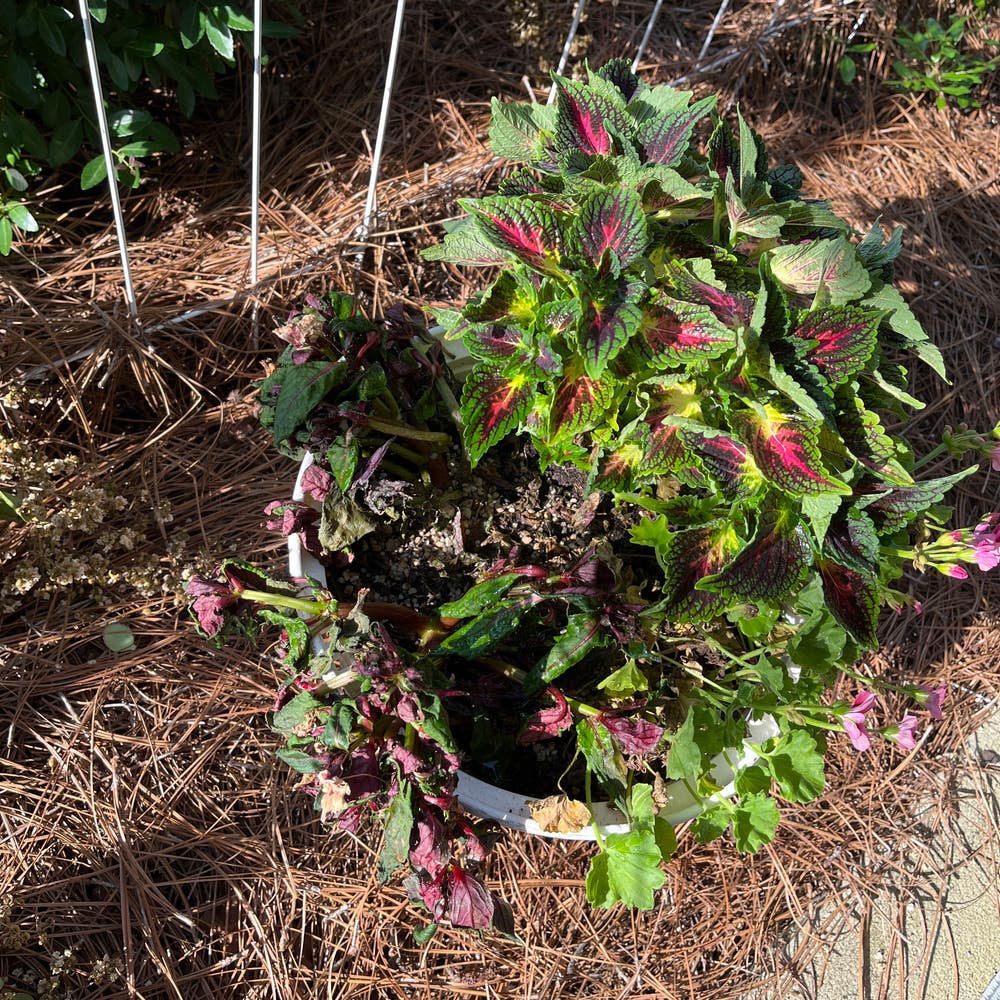
Why Does My Parrot Impatiens Have Yellow Leaves?
Impatiens niamniamensis
By the Greg Editorial Team
Feb 09, 2024•5 min read
This article was created with the help of AI so we can cover more plants for you. May contain errors. See one? Report it here.
- 🌱 Nutrient deficiencies cause yellowing; soil tests guide fertilization.
- 💦 Overwatering leads to root rot; let soil dry between waterings.
- 🐛 Pests and diseases can yellow leaves; early detection is key.
Spotting Trouble: Identifying Yellow Leaves on Your Parrot Impatiens
🚩 When Yellow Flags Go Up
Yellow leaves on Parrot Impatiens can be misleading; they're not always a sign of doom. Natural aging sees the oldest leaves at the base turning yellow and dropping off. But if you're seeing yellow across various ages of foliage, it's time to play detective.
🎯 Patterns of Yellowing
Uniform yellowing often points to care-related issues, such as improper watering or lighting. Spotty yellowing, on the other hand, might be the handiwork of pests or diseases. Pay attention to where the yellowing starts – bottom-up yellowing could be a nutrient issue, while yellowing at the tips could suggest environmental stress.
Rooting Out the Causes of Yellow Leaves
🌿 Nutrient Deficiencies: The Hunger Games
Yellow leaves on Parrot Impatiens can be a red flag for nutrient deficiencies. Nitrogen shortage often shows up as general paleness, particularly in older leaves. Iron deficiency targets new growth, causing yellow leaves with green veins—a condition known as chlorosis. Magnesium scarcity is a bit sneakier, with yellowing occurring between the veins of older leaves.
To tackle these deficiencies, soil testing is your best bet. It's like a detective's investigation into the soil's secrets. For nitrogen, a balanced fertilizer can bring back the green. Iron issues may require chelated iron supplements. And when magnesium is the missing piece, Epsom salts can save the day.
💧 Water Woes: Too Much of a Good Thing
Overwatering is the silent killer of Parrot Impatiens. It's a common misstep that leads to yellow leaves and root rot. The key is to let the soil dry out a bit between waterings. Think of it as a breather for your plant's roots. And don't forget about drainage; it's crucial. If your pot is a swimming pool, you're doing it wrong.
🐜 Uninvited Guests: Pests and Diseases
Pests and diseases can turn leaves yellow faster than a cheap dye job. Spider mites and mealybugs are the usual suspects, tiny but mighty in their destruction. Diseases like root rot also wave the yellow flag through discolored foliage.
For pests, keep a close eye on the undersides of leaves and other hidden spots. Early detection is key. And when it comes to diseases, prevention is better than cure. Ensure your plant's environment is not a petri dish for pathogens. If you do find invaders, organic or chemical treatments may be necessary—choose your weapon wisely.
The Yellow Leaf Clinic: Treating Your Parrot Impatiens
💪 Feeding Frenzy: Correcting Nutrient Imbalances
Yellow leaves on your Parrot Impatiens might scream nutrient deficiency. It's like your plant is on a diet it never signed up for. To bulk up your green buddy, introduce a balanced fertilizer. Think of it as a protein shake for your plant—essential for muscle, I mean, leaf growth. Go for a vegetable-type fertilizer every 2-3 weeks during the growth season. But watch out, overfeeding is like binge eating junk food; it does more harm than good.
💧 Watering Wisdom: Finding the Sweet Spot
Overwatering your Parrot Impatiens is like giving it a bath when it just wants a shower. Root rot sets in when you love with your watering can a bit too much. Let the topsoil dry out before you water again. It's not about a schedule; it's about feeling the soil. If it's wet, put the can down. If it's dry, it's time to hydrate.
🐜 Pest Patrol: Keeping the Bugs at Bay
Pests are like uninvited guests at a party—they ruin the vibe. If you spot critters or the aftermath of their munching on your Parrot Impatiens, it's time for action. Start with organic sprays or introduce beneficial insects. If all else fails, chemical treatments are your last line of defense. Remember, it's about precision strikes, not carpet bombing your plant with chemicals.
Keeping the Green: Preventing Yellow Leaves in the Future
🕵️ Consistent Check-ups
Regular monitoring is crucial for catching early signs of yellowing in Parrot Impatiens. Like a plant's version of a wellness check, these inspections can head off issues before they escalate. Pruning away yellow, damaged, or dead leaves is not just a cosmetic fix—it's a vital step in maintaining plant health and encouraging new growth.
🛡️ Proactive Plant Parenting
To prevent yellow leaves, a consistent care routine is essential. This includes:
- 🚰 Watering: Keep the soil moist but not waterlogged. Adjust your watering habits with the seasons—less in winter, more in summer.
- 🌞 Lighting: Parrot Impatiens thrive in bright, indirect light. Find that sweet spot to avoid the extremes of too much sun or too much shade.
- 🍽️ Soil Management: Use a well-draining soil mix, rich in organic matter. Consider adding perlite or sand to increase drainage and aeration.
- 🌱 Fertilizing: Feed your plant with a balanced, half-strength fertilizer monthly during the growing season. Over-fertilizing can be just as harmful as under-fertilizing.
- 🐜 Pest Control: Stay vigilant for pests. At the first sign of an infestation, use appropriate organic or chemical treatments.
- 💨 Environmental Management: Ensure good air circulation to prevent disease and pests. Indoors, avoid crowding plants; outdoors, space them to allow free air movement.
By adopting these best practices, you'll not only prevent yellow leaves but also promote the overall health and vibrancy of your Parrot Impatiens.
⚠️ Safety First
This content is for general information and may contain errors, omissions, or outdated details. It is not medical, veterinary advice, or an endorsement of therapeutic claims.
Always consult a qualified healthcare professional before using any plant as food, medicine, or supplement.
Never eat any plant (or feed one to pets) without confirming its identity with at least two trusted sources.
If you suspect poisoning, call Poison Control (800) 222-1222, the Pet Poison Helpline (800) 213-6680, or your local emergency service immediately.
Spotted an error? Please report it here.
Banish yellow leaves and ensure your Parrot Impatiens thrives 🌿 with Greg's tailored watering schedules and nutrient management tips, straight from the experts.