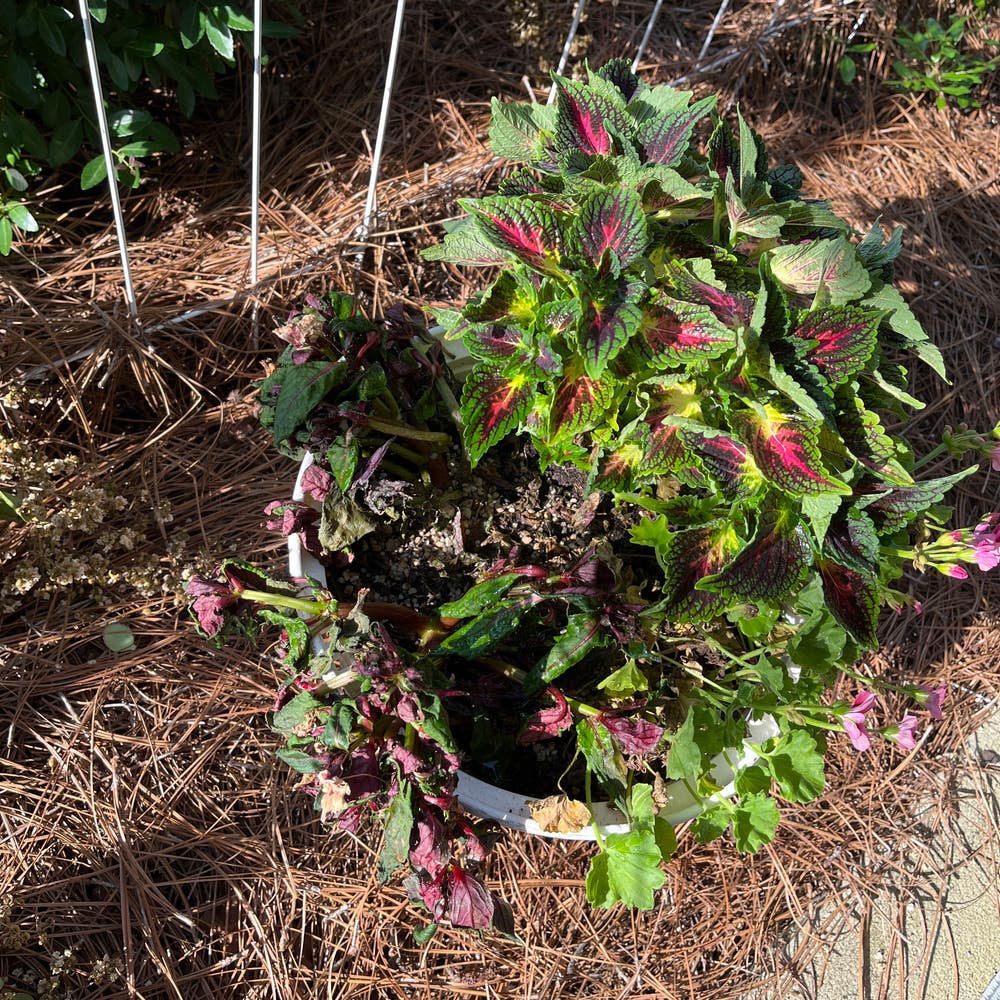
What to Know About Growing Your Congo Cockatoo Outdoors 🦜
Impatiens niamniamensis
By the Greg Editorial Team
Oct 11, 2024•7 min read
This article was created with the help of AI so we can cover more plants for you. May contain errors. See one? Report it here.
- ☀️ Congo cockatoos need 4-6 hours of sunlight daily for optimal growth.
- 🌱 Maintain moist, well-draining soil to prevent overwatering and underwatering issues.
- 🌿 Seasonal adjustments in care are crucial for thriving Congo cockatoos outdoors.
Outdoor Care Requirements
Sunlight Needs and Optimal Light Conditions 🌞
Congo cockatoos thrive in full sun to partial shade, requiring 4-6 hours of direct sunlight daily. If you notice stunted growth, pale leaves, or a leggy appearance, your plant may not be getting enough light.
Seasonal changes can affect light conditions, so consider providing more shade during peak summer heat. This adjustment helps protect your plant from potential sunburn and stress.
Watering Requirements and Moisture Levels 🚰
To keep your Congo cockatoo healthy, maintain consistently moist soil without waterlogging. Overwatering can lead to yellowing leaves and root rot, while underwatering results in wilting leaves and dry soil.
Deep watering is recommended to encourage robust root growth. This technique allows water to penetrate deeper into the soil, promoting a stronger plant.
Soil Preferences and Amendments for Healthy Growth 🍽️
A well-draining soil rich in organic matter, such as peat moss or compost, is ideal for your Congo cockatoo. Aim for a slightly acidic to neutral pH, ideally between 6.0 and 7.0.
To enhance drainage, consider adding perlite or sand. Organic fertilizers can also provide a nutrient boost, ensuring your plant has everything it needs to flourish.
Fertilization Schedule and Types of Fertilizers 🛡️
Fertilize your Congo cockatoo every 4-6 weeks during the growing season. Balanced NPK fertilizers, like a 10-10-10 mix, or organic options such as fish emulsion, are excellent choices.
Watch for signs of nutrient deficiency, including yellowing leaves and poor growth. Addressing these issues promptly can help maintain your plant's health and vitality.
With these outdoor care requirements in mind, you can create an optimal environment for your Congo cockatoo. Next, let’s explore the various planting options available to you.
Planting Options
Benefits and Drawbacks of Container Planting 🌱
Container planting offers unique advantages for growing your Congo Cockatoo.
- Mobility: You can easily move containers to optimize sunlight exposure or provide protection from harsh weather.
- Soil Control: You have complete control over soil quality and drainage, ensuring your plant thrives.
However, there are some limitations to consider.
- Root Space: Containers can restrict root growth, which may stunt the plant's overall development.
- Watering Needs: They require more frequent watering, as the soil can dry out quickly.
Benefits and Drawbacks of Planting in the Ground 🌍
Planting directly in the ground has its own set of benefits.
- Root Development: There’s ample space for roots to expand, promoting healthier growth.
- Moisture Retention: Ground soil typically retains moisture better, reducing the need for constant watering.
On the flip side, planting in the ground comes with challenges.
- Soil Quality: You have less control over soil conditions, which can affect plant health.
- Pest Vulnerability: Ground plants are more susceptible to pests and diseases, requiring vigilant monitoring.
How to Choose the Right Option Based on Space and Climate 🌤️
Choosing the right planting option depends on your available space and climate conditions.
- Space Assessment: If you have a small garden, container planting might be the best choice for maximizing your space.
- Climate Considerations: In cooler climates, containers allow for easier frost protection, giving you flexibility in care.
By weighing these factors, you can make an informed decision that supports the healthy growth of your Congo Cockatoo. This will set the stage for effective care as you navigate the challenges of outdoor gardening.
Protection from Environmental Factors
🌡️ Weather Protection Strategies for Extreme Temperatures
Protecting your Congo Cockatoo from extreme temperatures is crucial for its health. During cold snaps, use frost cloths or bring containers indoors to shield them from frost damage.
In contrast, during heat waves, provide shade using shade cloths or nearby plants. This helps prevent heat stress and keeps your plant thriving.
Wind can also pose a threat. Consider using barriers or planting in sheltered areas to minimize wind exposure.
🐛 Common Outdoor Pests and How to Manage Them
Outdoor pests can wreak havoc on your Congo Cockatoo. Common culprits include aphids, spider mites, and whiteflies.
To manage these pests, consider using neem oil or insecticidal soap. You can also introduce beneficial insects like ladybugs to help keep pest populations in check.
Watch for signs of infestation, such as discoloration, webbing, or visible insects on leaves. Early detection is key to effective management.
🦠 Diseases That Affect the Plant and Prevention Methods
Your Congo Cockatoo may face diseases like root rot and leaf spot. These can significantly impact its health if not addressed promptly.
To prevent these issues, ensure proper drainage and avoid overhead watering. Maintaining good air circulation is also essential for disease prevention.
Signs of disease include wilting, yellowing leaves, or dark spots on foliage. Regular monitoring can help you catch problems early and keep your plant healthy.
With these protective measures in place, your Congo Cockatoo will be better equipped to thrive outdoors. Next, let’s explore how seasonal changes affect care routines.
Seasonal Care
Seasonal Changes and Their Impact on Care Routines 🌱
Spring is a time of renewal, and your Congo Cockatoo will thrive with increased watering and fertilization as growth resumes. As summer rolls in, keep a vigilant eye out for pests and ensure the soil remains adequately moist.
In fall, it's essential to prepare for cooler temperatures by gradually reducing both watering and fertilization. Winter calls for protective measures against frost, along with a decrease in care frequency to match the plant's dormant state.
Special Considerations for Different Climate Zones 🌍
In tropical zones, your Congo Cockatoo can enjoy year-round growth with minimal protection needed. However, temperate zones require seasonal adjustments, particularly during the winter months.
For those in cold zones, container planting is a smart choice, allowing for easy mobility and protection from harsh conditions. This flexibility can make a significant difference in your plant's health.
Adjusting Care Practices Based on Seasonal Growth Patterns 📈
Monitoring growth cycles is crucial; increase your care efforts during active growth phases to support robust development. Additionally, adjust your watering and fertilization based on temperature and humidity levels to keep your plant thriving.
By staying attuned to these seasonal changes, you can ensure your Congo Cockatoo flourishes throughout the year. Next, let's explore advanced care techniques that can further optimize your plant's growth and health.
Advanced Care Techniques
Tips for Experienced Growers on Optimizing Growth 🌱
Pruning is essential for maintaining a healthy Congo Cockatoo. Regularly remove dead or damaged leaves to encourage new growth and improve air circulation.
Propagation can also enhance your gardening experience. Taking cuttings from healthy plants can lead to successful new growth, expanding your collection.
Troubleshooting Common Issues in Outdoor Settings 🛠️
Identifying nutrient deficiencies is crucial for plant health. Look for signs like yellowing leaves or stunted growth, and adjust your fertilization accordingly.
Water stress can be tricky to manage. Understand the signs of overwatering—such as wilting leaves and root rot—versus underwatering, which often presents as dry soil and drooping foliage.
Myth-Busting Common Misconceptions About Outdoor Care 🧐
Many gardeners hold misconceptions about sunlight needs. While some believe their plants thrive in full sun, many actually prefer a mix of sun and shade.
Pest resistance is another area rife with myths. Just because a plant is hardy doesn’t mean it’s immune to pests or diseases; regular monitoring is key to keeping your plants healthy.
Understanding these advanced care techniques will empower you to nurture your Congo Cockatoo effectively. As you refine your approach, you'll find that a little knowledge goes a long way in ensuring vibrant growth and resilience.
⚠️ Safety First
This content is for general information and may contain errors, omissions, or outdated details. It is not medical, veterinary advice, or an endorsement of therapeutic claims.
Always consult a qualified healthcare professional before using any plant as food, medicine, or supplement.
Never eat any plant (or feed one to pets) without confirming its identity with at least two trusted sources.
If you suspect poisoning, call Poison Control (800) 222-1222, the Pet Poison Helpline (800) 213-6680, or your local emergency service immediately.
Spotted an error? Please report it here.
Grow your Congo cockatoo thriving outdoors 🌱 by using Greg's tailored reminders for sunlight, watering, and soil care to keep it healthy and vibrant all year long!