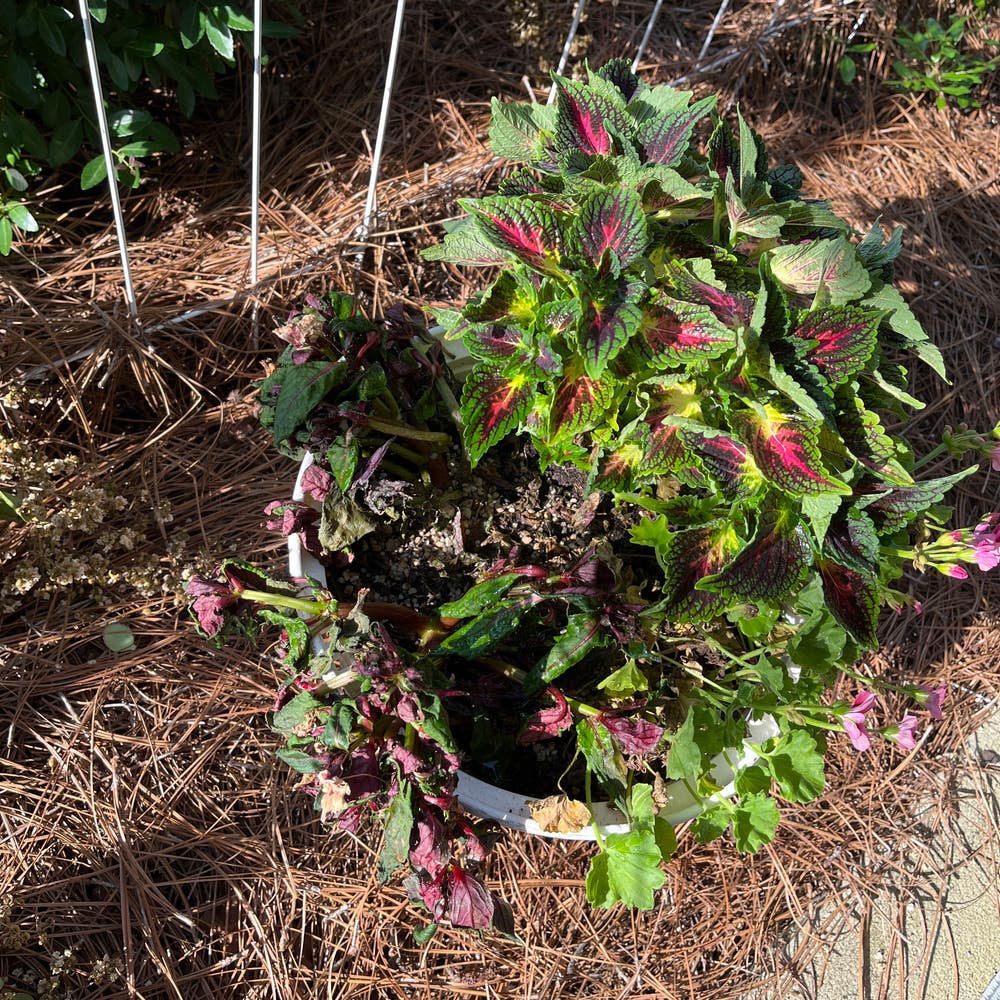
✂️ Cutting Back Congo Cockatoo Effectively
Impatiens niamniamensis
By the Greg Editorial Team
Oct 11, 2024•6 min read
This article was created with the help of AI so we can cover more plants for you. May contain errors. See one? Report it here.
- ✂️ Use sharp tools and disinfect them for effective Congo Cockatoo pruning.
- 🌱 Prune in spring or late summer for optimal growth and recovery.
- 🚫 Avoid over-pruning; remove no more than 30% to prevent plant stress.
Tools Needed for Effective Pruning
Essential Pruning Tools 🌿
To prune your Congo Cockatoo effectively, you'll need a few essential tools. Start with sharp pruning shears for clean cuts that promote healing.
Next, grab loppers for tackling thicker branches. They provide the leverage needed for those tougher jobs. Don’t forget to wear gloves; they protect your hands from sap and sharp edges, ensuring a safe pruning experience.
Finally, keep a disinfectant handy. This is crucial for preventing disease transmission between plants, keeping your garden healthy.
Tool Maintenance 🧰
Maintaining your tools is just as important as having the right ones. Keeping your tools sharp and clean ensures efficient cuts and reduces the risk of plant damage.
Regularly inspect your tools for wear and tear. A quick check can save you from using a dull blade that might harm your plants. Remember, a well-maintained tool is your best ally in effective pruning.
With the right tools and maintenance, you're set to dive into the pruning process. Let's explore the step-by-step pruning process next!
Step-by-Step Pruning Process
🛠️ Preparing for Pruning
Before diving into pruning, take a moment to assess the Congo Cockatoo's current shape and health. This initial evaluation helps you identify which areas need attention.
Next, gather all necessary tools. Having everything on hand will streamline the process and keep you focused.
Finally, ensure your workspace is clean. A tidy area minimizes distractions and helps you work efficiently.
✂️ Pruning Techniques for Congo Cockatoo
🌱 General Pruning Steps
Start by identifying areas that need pruning, such as overgrown branches or dead leaves. This targeted approach ensures you’re addressing the plant’s specific needs.
When making cuts, always do so at a 45-degree angle. This technique promotes healing and reduces the risk of disease.
Remember to remove no more than 30% of the plant at one time. Over-pruning can stress the plant, leading to unwanted complications.
🎨 Shaping and Maintaining Size
Shaping your Congo Cockatoo can be achieved by pinching back tips and thinning out crowded areas. These techniques encourage a fuller, healthier plant.
To maintain size, establish a regular pruning schedule. Consistent intervals help control growth and keep your plant looking its best.
With these steps, you’re well on your way to mastering the art of pruning. Next, let’s explore the best times to prune for optimal results.
When to Prune
🌱 Best Seasons for Pruning
The best times to prune your Congo Cockatoo are early spring and late summer. Avoid pruning during winter dormancy, as this can stress the plant.
🔍 Signs That Pruning is Needed
Look for signs of overgrowth, such as an unruly or leggy appearance. Dead or damaged leaves can indicate disease or pest issues, signaling that it's time to take action.
⏰ Timing Considerations Based on Growth Cycle
Understanding the plant's growth cycle is crucial. Prune during active growth for optimal recovery, and adjust your schedule based on environmental conditions like temperature and humidity.
With these guidelines in mind, you'll be well-equipped to keep your Congo Cockatoo healthy and thriving. Next, let’s dive into the essential step-by-step pruning process to ensure you get it right!
Deadheading
🌸 What is Deadheading and Why It’s Important
Deadheading is the process of removing spent flowers from your plants. This simple act encourages new growth and keeps your garden looking vibrant.
Maintaining aesthetics is just one benefit; deadheading also promotes healthier plants. By preventing seed formation, you allow your plants to focus their energy on producing more blooms.
✂️ Step-by-Step Instructions for Deadheading
- Identify spent flowers: Look for wilted or brown blooms that no longer contribute to the plant's beauty.
- Use clean shears: Cut just above the first set of healthy leaves to encourage new growth.
- Dispose of dead flowers: Proper disposal helps prevent disease and keeps your garden tidy.
🌼 Benefits of Deadheading for Plant Health and Aesthetics
Deadheading leads to more blooms and a prolonged flowering period. It also significantly improves the overall appearance of your plants, making your garden a more inviting space.
By incorporating deadheading into your gardening routine, you not only enhance the beauty of your plants but also support their health. This practice is a small yet impactful way to ensure your garden thrives.
As you continue caring for your plants, remember that proper pruning techniques will further enhance their growth and vitality.
Common Pruning Mistakes
🛑 Mistakes to Avoid When Pruning
Pruning can be a delicate task, and it's easy to make mistakes. One of the most common errors is over-pruning, which involves removing too much foliage at once. This can shock the plant and hinder its growth.
Another mistake is using incorrect cutting techniques. Making cuts that are too close to the stem or at the wrong angle can damage the plant and lead to disease.
🔍 How to Recognize Over-Pruning
Recognizing the signs of over-pruning is crucial for plant health. Look for signs of stress, such as wilting or yellowing leaves, which indicate that the plant is struggling.
Additionally, monitor the plant's response post-pruning. If growth seems stunted or the plant appears unhealthy, you may have pruned too aggressively.
🚨 Signs of Stress in the Plant Post-Pruning
After pruning, keep an eye out for leaf drop. A sudden loss of leaves can signal that the plant is under stress from excessive pruning.
Slow growth is another red flag. If you notice a lack of new shoots or leaves, it may be time to reassess your pruning techniques and give your plant some extra care.
Understanding these common mistakes and their signs can help you maintain a healthy Congo Cockatoo. With the right approach, your plant can thrive beautifully.
Post-Pruning Care
🌱 How to Care After Pruning
After pruning, it's crucial to keep a close eye on your Congo Cockatoo. Regularly check for pests and diseases to ensure your plant remains healthy and vibrant.
Monitoring plant health helps catch any issues early. Look for signs of stress or unusual changes in growth.
💧 Fertilization and Watering Considerations After Pruning
Using a balanced fertilizer is key for recovery. It provides essential nutrients that support new growth and overall vitality.
Maintain a consistent watering schedule, ensuring the soil stays moist but not soggy. Overwatering can lead to root rot, so be cautious.
By following these post-pruning care tips, your Congo Cockatoo will thrive and flourish. Now, let’s explore common pruning mistakes to avoid for optimal plant health.
⚠️ Safety First
This content is for general information and may contain errors, omissions, or outdated details. It is not medical, veterinary advice, or an endorsement of therapeutic claims.
Always consult a qualified healthcare professional before using any plant as food, medicine, or supplement.
Never eat any plant (or feed one to pets) without confirming its identity with at least two trusted sources.
If you suspect poisoning, call Poison Control (800) 222-1222, the Pet Poison Helpline (800) 213-6680, or your local emergency service immediately.
Spotted an error? Please report it here.
Transform your Congo Cockatoo into a lush beauty 🌿 by using Greg's personalized pruning reminders and expert tips to ensure every cut counts!