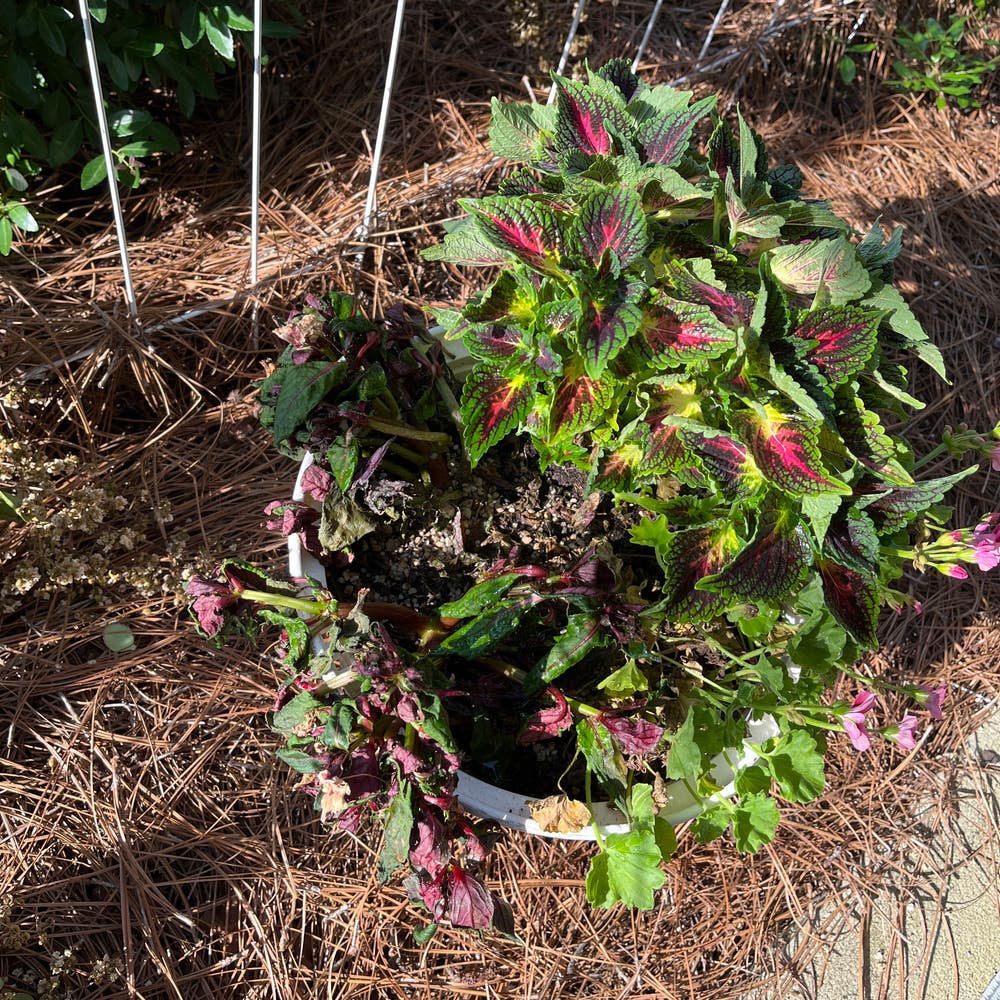
What to Know About Growing Your Congo Cockatoo Indoors 🐦
Impatiens niamniamensis
By the Greg Editorial Team
Oct 11, 2024•5 min read
This article was created with the help of AI so we can cover more plants for you. May contain errors. See one? Report it here.
- 🌞 Congo Cockatoos need 6-8 hours of bright, indirect sunlight daily for optimal growth.
- 💧 Water every 1-2 weeks, ensuring the top inch of soil dries out between waterings.
- 🌿 Maintain humidity between 50-70% for healthy growth; use humidifiers if needed.
Light Requirements
Natural Light vs. Artificial Light 🌞
FoCongo Cockatooockatoo, bright, indhumiditynlight is essential. Aim for 6-8 hours of exposure daily to keep your plant thriving.
If your plant isn't getting enough light, you might notice sHumidifiersth, pale leaves, or a leggy appearance. These signs indicate it's time to reassess your lighting situation.
Role of Grow Lights 💡
In indoor settings where natural light falls short, grow lights become crucial. They provide the necessary illumination to support healthy growth.
For small to medium plants, a wattage of 20-40 wtemperatureommended. This range ensures your plants receive adequate energy without overwhelming them.
Opt for full-spectrum grow lights that mimic natural sunlight. This spectrum supports photosynthesis effectively, promoting vibrant growth.
When positioning your grow lights, place them 12-24 inches above the plant. This distance helps distribute light evenly while preventing leaf burn.
With the right lighting setup, your Congo Cockatoo can flourish indoorssoilxt, let’s explore the watering needs to keep your plant hydrated and healthy.
Watering Needs
Frequency Congo Cockatooatering your Congopotting mixs crucial for its health. Aim to water every 1-2 weeks, ensuring the top inch of soil dries out between sessions.
When you do water, give it a good soak until you see water draining from the bottom of thefertilizes ensures the roots get the moisture they need without sitting in soggy soil.
Signs of Overwatering and Underwatering 🚨
It's essential to recognize the signs of overwatering. Look for yellowing leaves, wilting, or even root rot, which can signal that your plant is drowning.
On the flip side, underwatering can lead to crispy leaf edges, drooping leaves, and dry soil. Keeping an eye on these symptoms will help you maintain a healthy watering routine.
By understanding these watering needs, you can create a thriving environment for your Congo Cockatoo. Next, let’s explore the ideal humiSpider mitesperature conditions to keep your plant flourishing.
Humidity and Temperature
Ideal Humidity Levels 🌧️
For your Congo Cockatoo to thrive, aim for humidity levels between 50-70%. This range is crucial for optimal growth and overall health.
To boost humidity, consider using a fneem oiltive methods:
- Humidifiers: These are great for maintaining consistent moisture in the air.
- Pebble trays: Place a tray filled with pebbles and water under your plant pot. As the water evaporates, Leaf curling humidity.
- Grouping plants: Cluster yourhumiditytogether; they create a mini ecoleaf dropat retains moisture.
Temperature Range 🌡️
The ideal temperature for your Congo Cockatoo is between 65°F to 80°F (18°C to 27°C). Keeping your plant within this range will promogrow lightsgrowth.
Be mindful of temperature extremes. Protect your plant from drafts and sudden changes in temperature, as these can stress it out and hinder its development.
With the right humiditCongo Cockatooure, your Congo Cockatoo will flourish, setting the stage for vibrant growth and resilience. Next, let’s explore the essential soil and fertilization needs to keep your plant thriving.
Soil and Fertilization
Best Soil Type 🌱
For your Congo Cockatoo, a well-draining potting mix enriched with organic matter is essential. Aim for a pH level between 6.0 and 7.0, which is slightly acidic to neutral, to promote healthy growth.
Fertilization Schedule 📅
During the growing season, fertilize every 4-6 weeks to keep your plant thriving. You can choose between a balanced liquid fertilizer or slow-release granultemperature fluctuationse the nutrients your plant craves.
Maintaining the right soil and fertilization routine is cruciapruningour Congo Cockatoo's health. With the right caryellowing leavesll flourish and bring vibrant life to your indoor space.
Next, let’s explore the common issues you might encounter and how to tackle them effectively.
Common Issues and Solutions
🐛 Pests and Diseases
Common Pests
Pests can be a real headache for your Congo Cockatoo. Spider mites are notorious for their webbing and stippled leaves, while aphids leave behind a sticky residue and cause distorted growth.
Prevention and Treatment
To keep these pests at bay, regular monitoring is key. Inspect your plant's leaves weeCongo Cockatooot any pests, consider using neem oil, insecticidal soap, or even introducing beneficial insects to help manage the problem.
🌪️ Environmental Stress
Signs of Stress
Your plant will communicate its needs if you pay attention. Leaf curling or browning often indicates insufficient humidity or light, while slow growth or leaf drop may signal environmental stress.
Solutions
If you notice these signs, it’s time to take action. Adjust light exposure by moving your plant closer to a light source or using grow lights. Additionally, increasing humidity with a humidifier or regular misting can help revive your plant's health.
By staying vigilant and responsive to these common issues, you can ensure your Congo Cockatoo thrives indoors. Next, let's explore the best placement and maintenance practices to keep your plant looking its best.
Placement and Maintenance
🌍 Best Placement
Ideal Locations
For your Congo Cockatoo, the best spots are near east or west-facing windows. These locations provide bright, filtered light, which is essential for healthy growth.
Avoid placing your plant in dark corners or rooms with minimal natural light. Insufficient light can lead to stunted growth and a lackluster appearance.
Avoiding Drafts
Keep your plant away from heating vents and air conditioning units. These can create temperature fluctuations that stress your Congo Cockatoo.
✨ Maintaining Appearance
Pruning and Grooming
Regular pruning is key to a vibrant plant. Remove any dead or yellowing leaves to encourage new growth and maintain a healthy look.
To promote bushiness, pinch back any leggy growth. This simple technique can make a significant difference in your plant's overall appearance.
Cleaning Leaves
Wipe the leaves with a damp cloth every few weeks. This not only keeps them clean but also enhances photosynthesis.
Regular cleaning is vital for your plant's health, ensuring it can absorb light efficiently and thrive.
By following these placement and maintenance tips, you’ll create an ideal environment for your Congo Cockatoo to flourish. Next, let’s explore the soil and fertilization needs that will further support its growth.
⚠️ Safety First
This content is for general information and may contain errors, omissions, or outdated details. It is not medical, veterinary advice, or an endorsement of therapeutic claims.
Always consult a qualified healthcare professional before using any plant as food, medicine, or supplement.
Never eat any plant (or feed one to pets) without confirming its identity with at least two trusted sources.
If you suspect poisoning, call Poison Control (800) 222-1222, the Pet Poison Helpline (800) 213-6680, or your local emergency service immediately.
Spotted an error? Please report it here.
Nurture your Congo Cockatoo to vibrant health 🌱 with Greg's tailored care reminders and expert tips, ensuring it thrives in your indoor oasis!