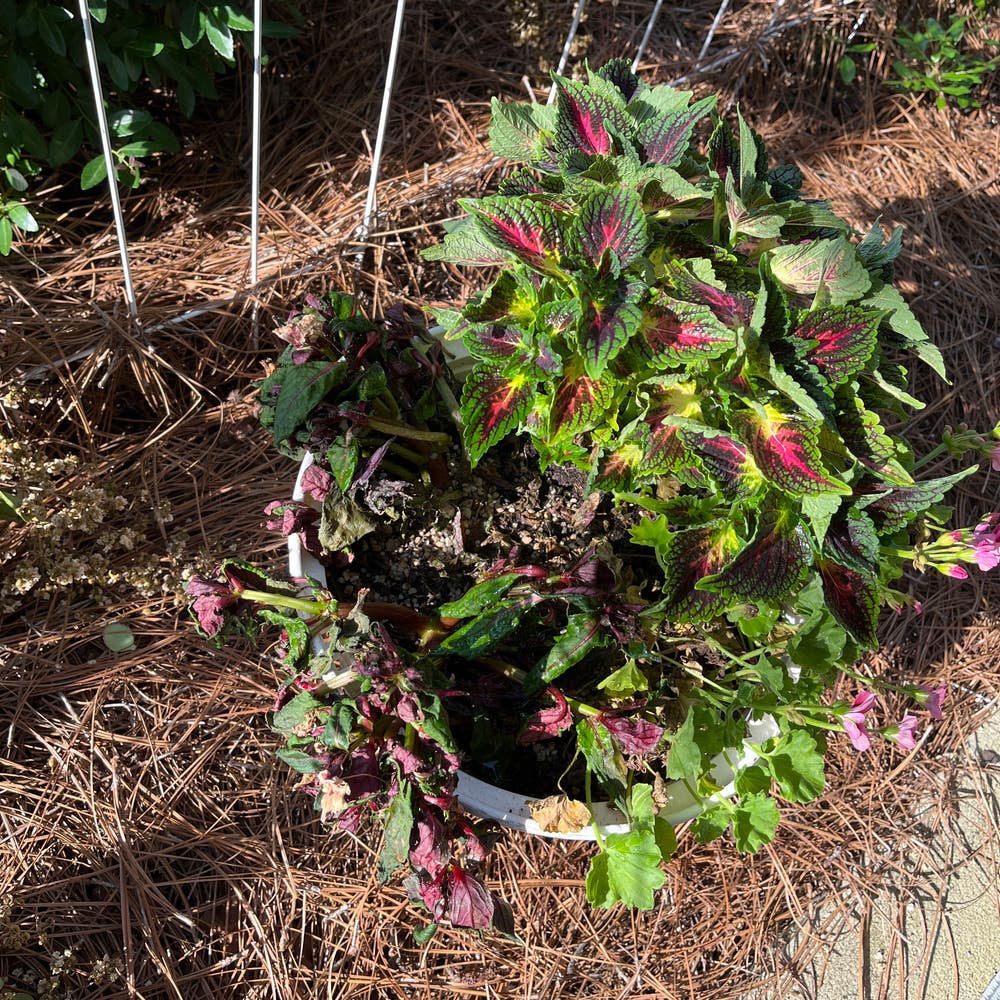
Best Tips for Droopy Leaves on Congo Cockatoo 🦜
Impatiens niamniamensis
By the Greg Editorial Team
Oct 11, 2024•5 min read
This article was created with the help of AI so we can cover more plants for you. May contain errors. See one? Report it here.
- 💧 Overwatering causes droopy leaves; check for soil saturation and root rot.
- 🌞 Bright, indirect sunlight is essential for Congo Cockatoo health; adjust placement accordingly.
- 🌿 Regularly inspect for pests and maintain humidity to prevent leaf droop.
Diagnosing the Problem
💧 Overwatering: Signs and Solutions
Overwatering can be a sneaky culprit behind droopy leaves. Look for signs like soil saturation, where the soil remains wet for extended periods, and root rot symptoms, which include a foul smell and mushy roots.
To remedy overwatering, adjust your watering schedule. Allow the soil to dry out between waterings, and improve drainage by using a well-draining potting mix.
🚰 Underwatering: Signs and Solutions
On the flip side, underwatering can also lead to droopy leaves. Signs include dry, crispy leaf edges and soil that pulls away from the pot edges.
To combat underwatering, increase your watering frequency. Water when the top inch of soil is dry, and consider using moisture-retentive soil, incorporating materials like coconut coir for better hydration.
🌞 Environmental Stress Factors
Light Requirements
Congo Cockatoos thrive in bright, indirect sunlight. If your plant is stretching towards light sources or showing pale leaves, it may not be getting enough light.
Temperature and Humidity
Maintain an optimal temperature range of 65°F to 80°F (18°C to 27°C). Humidity levels should be between 50% and 70%; signs of low humidity include leaf curling and droopiness.
🐛 Pest Infestations and Their Impact on Leaf Health
Pests can wreak havoc on your Congo Cockatoo’s health. Common offenders include spider mites, which leave webbing and stippled leaves, and aphids, which cause sticky residue and distorted leaves.
Control methods include using neem oil or insecticidal soap for treatment. Regular inspections are key to catching infestations early, ensuring your plant stays healthy and vibrant.
With a clear understanding of these potential issues, you're well-equipped to diagnose and address droopy leaves effectively. Next, let’s explore preventive measures to keep your Congo Cockatoo thriving.
Preventive Measures
Proper Watering Techniques 🌊
Checking soil moisture before watering is crucial for your Congo Cockatoo's health. Always water thoroughly until it drains from the bottom, ensuring the roots get the hydration they need without becoming waterlogged.
Ideal Soil Composition and Drainage 🪴
For optimal growth, use a soil mix of 50% potting soil, 30% perlite, and 20% coconut coir. This combination promotes excellent drainage, preventing waterlogging and root rot, which can lead to droopy leaves.
Maintaining Optimal Humidity Levels 💧
Humidity plays a vital role in your plant's well-being. To increase humidity, consider using a humidifier or pebble trays filled with water. Grouping your plants together can also create a microclimate that benefits all.
Appropriate Light Conditions ☀️
Placement is key for light exposure. Position your Congo Cockatoo near east or west-facing windows to provide bright, indirect sunlight. Be ready to adjust their location with seasonal changes to maintain optimal light levels.
By implementing these preventive measures, you can create a thriving environment for your Congo Cockatoo, setting the stage for vibrant, healthy leaves. Next, we’ll explore recovery techniques to bring droopy leaves back to life.
Recovery Techniques
Step-by-Step Guide to Reviving Droopy Leaves 🌱
Reviving droopy leaves on your Congo Cockatoo starts with assessing watering needs. Determine if the issue stems from overwatering or underwatering.
Next, adjust environmental conditions. Ensure your plant receives optimal light and humidity to promote recovery.
Finally, treat for pests if necessary. Apply appropriate pest control methods to eliminate any infestations that could hinder your plant's health.
When to Prune Affected Leaves ✂️
Timing is crucial when it comes to pruning. Only prune leaves that are severely damaged or diseased to encourage new growth.
Use clean, sharp scissors for the task. This helps prevent infection and promotes a healthier plant.
Fertilization Strategies for Recovery 🌿
Establish a fertilization schedule to support recovery. Use a balanced fertilizer every 4-6 weeks during the growing season for best results.
Consider the types of fertilizers you use. Liquid fertilizers or slow-release granules can provide the nutrients your Congo Cockatoo needs to thrive.
With these recovery techniques, your Congo Cockatoo can bounce back from droopy leaves and flourish once again. Next, let’s explore long-term care strategies to keep your plant healthy and vibrant.
Long-term Care for Healthy Leaves
Regular Maintenance Tips 🌱
Routine checks are essential for keeping your Congo Cockatoo healthy. Regularly inspect for pests and signs of stress to catch any issues early.
Establishing a consistent watering routine is equally important. This helps ensure your plant receives the right amount of moisture without the risk of over or underwatering.
Seasonal Care Adjustments 🍂
Adjusting light exposure can make a significant difference in your plant's health. Rotate your Congo Cockatoo periodically for even light distribution, preventing any side from becoming too leggy.
Modifying humidity levels is crucial, especially during dry winter months. Increasing humidity can help maintain vibrant, healthy leaves.
Monitoring Plant Health Over Time 📊
Keeping a care journal is a fantastic way to track your plant's needs. Documenting watering, fertilization, and growth patterns can help you identify what works best for your Congo Cockatoo.
Be vigilant for signs of distress, such as droopy leaves. Early identification allows for timely intervention, ensuring your plant stays lush and thriving.
By implementing these long-term care strategies, you can enjoy a healthy, vibrant Congo Cockatoo for years to come. Next, let’s explore recovery techniques for droopy leaves to help your plant bounce back.
⚠️ Safety First
This content is for general information and may contain errors, omissions, or outdated details. It is not medical, veterinary advice, or an endorsement of therapeutic claims.
Always consult a qualified healthcare professional before using any plant as food, medicine, or supplement.
Never eat any plant (or feed one to pets) without confirming its identity with at least two trusted sources.
If you suspect poisoning, call Poison Control (800) 222-1222, the Pet Poison Helpline (800) 213-6680, or your local emergency service immediately.
Spotted an error? Please report it here.
Revive your Congo Cockatoo's droopy leaves by mastering its care routine 🌱—let Greg provide you with personalized watering reminders and expert tips to keep your plant thriving!