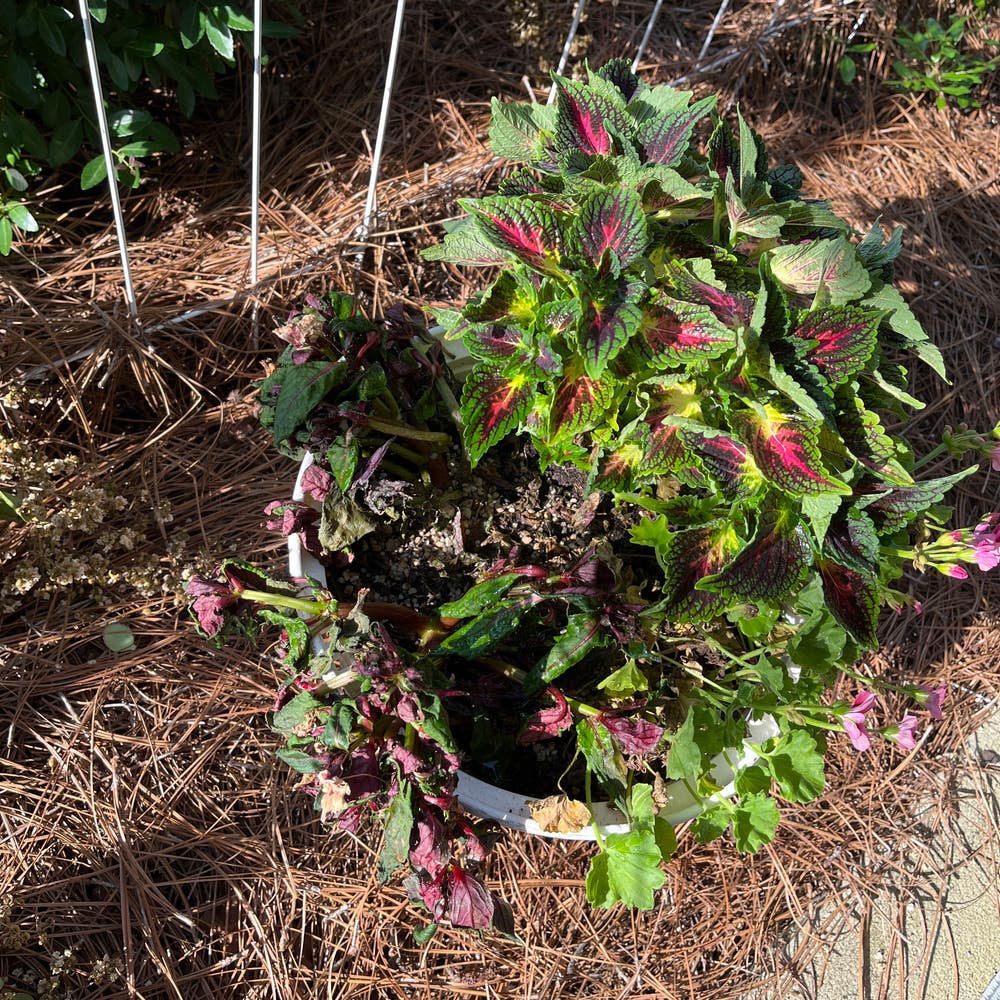
Best Humidity Levels for Congo Cockatoo 🦜
Impatiens niamniamensis
By the Greg Editorial Team
Oct 11, 2024•5 min read
This article was created with the help of AI so we can cover more plants for you. May contain errors. See one? Report it here.
- 🌬️ Ideal humidity for Congo Cockatoos is 60%-80% for optimal health and growth.
- 📏 Monitor humidity weekly with a hygrometer to prevent issues like leaf curling.
- 💧 Use humidifiers or pebble trays to maintain consistent humidity levels year-round.
Ideal Humidity Range for Optimal Growth
Maintaining the right humidity levels is crucial for the health of your Congo Cockatoo. Aim for a relative humidity range of 60% to 80% to ensure optimal growth.
🌱 Effects of Humidity on Growth
Humidity plays a significant role in plant health. Higher humidity levels enhance leaf development and reduce susceptibility to pests, creating a thriving environment for your Congo Cockatoo.
🚨 Signs of Inadequate Humidity
If your plant isn't getting enough moisture, it will show signs of distress. Look out for leaf curling, browning edges, and stunted growth—these are clear indicators that humidity levels need adjusting.
Understanding these factors will help you create a nurturing environment for your Congo Cockatoo. Next, let’s explore how to assess local humidity levels to ensure your plant thrives.
Local Humidity Considerations
Assessing Local Humidity Levels 🌧️
Understanding local climate conditions is crucial for the health of your Congo Cockatoo. Humidity levels can significantly impact their growth and well-being.
Seasonal variations play a key role in how humidity shifts throughout the year. For instance, summer might bring higher humidity, while winter often leads to drier air, especially indoors.
It's also essential to identify microclimates within your home. Areas near windows or heating vents can have different humidity levels, affecting your plant's environment.
Tools for Measuring Humidity 📏
To keep track of humidity, a hygrometer is your best friend. These devices come in various types, and knowing how to use them effectively can make a big difference.
You can choose between digital and analog hygrometers. Digital options often provide more precise readings, while analog models can be simpler and more affordable.
For optimal care, it's recommended to monitor humidity levels regularly. Checking at least once a week can help you stay ahead of any potential issues.
By understanding local humidity conditions and using the right tools, you can create a thriving environment for your Congo Cockatoo. This foundation will set you up for success as you explore strategies to boost or reduce humidity as needed.
Strategies for Boosting Humidity
💧 Humidifiers and Their Use
When it comes to maintaining optimal humidity for your Congo Cockatoo, humidifiers are a game changer. You can choose between cool mist and warm mist options; cool mist is generally more suitable for plants, as it helps maintain a stable temperature.
Placement is key for effectiveness. Position your humidifier near your plants but not directly on them to avoid over-saturation. Aim for settings that keep humidity levels between 60% and 80% for the best results.
🌊 Pebble Trays and Water Features
Creating pebble trays is an easy and effective way to boost humidity.
- Fill a shallow tray with pebbles.
- Add water until it just touches the pebbles.
- Place the Congo Cockatoo pot on top.
This setup allows for natural evaporation, which increases humidity around your plants. Water features can also serve a similar purpose, providing a lovely aesthetic while enhancing the moisture levels in the air.
🌱 Grouping Plants for Humidity Retention
Clustering your plants can create a microenvironment with higher humidity. When plants are grouped together, they share moisture through transpiration, which can be beneficial for your Congo Cockatoo.
For optimal humidity retention, space your plants closely but not overcrowded. Consider plant compatibility; grouping plants with similar humidity needs will yield the best results.
By implementing these strategies, you can create a thriving environment for your Congo Cockatoo, ensuring it flourishes in the right humidity levels. Next, let’s explore how to reduce humidity when necessary, keeping your plants healthy and happy.
Strategies for Reducing Humidity
🌬️ Ventilation Techniques
Airflow is crucial in preventing excessive humidity buildup. Proper ventilation helps maintain a balanced environment for your Congo Cockatoo.
To improve airflow, consider these methods:
- Open windows: This allows fresh air to circulate.
- Use fans: Position fans strategically to enhance air movement.
- Ensure proper air circulation: Keep spaces clear to facilitate airflow.
Watch for signs of too much humidity, such as mold growth and leaf issues. These indicators can signal that your environment needs better ventilation.
🪴 Choosing the Right Potting Mix
Selecting the right potting mix is essential for promoting drainage and reducing humidity. A well-draining mix helps prevent water from accumulating around the roots.
Consider these recommended ingredients:
- Perlite: Enhances aeration and drainage.
- Sand: Improves soil structure and prevents compaction.
- Bark: Adds texture and promotes airflow.
Also, pay attention to pot size and drainage holes. Proper drainage is vital for controlling humidity levels effectively.
🚿 Avoiding Overwatering
Overwatering can lead to serious problems for your plants, including yellowing leaves and root rot. It's essential to recognize the signs of overwatering early.
To maintain a healthy watering schedule:
- Assess moisture levels: Check the soil before watering.
- Allow soil to dry out: Ensure the top inch of soil is dry before the next watering.
By allowing the soil to dry out between sessions, you can significantly reduce humidity levels and promote healthier growth for your Congo Cockatoo.
With these strategies in place, you can create a balanced environment that supports your plant's health. Next, let’s explore seasonal humidity considerations to further refine your care routine.
Seasonal Humidity Considerations
Humidity Changes with Seasons 🌦️
Humidity levels can vary significantly between summer and winter. In summer, higher outdoor humidity often translates to a more comfortable environment for your Congo Cockatoo.
However, winter brings challenges. Heating systems can dry out indoor air, leading to lower humidity levels that may not be ideal for your plant's health.
Adjusting Care Based on Seasonal Humidity Fluctuations 🌱
To keep your Congo Cockatoo thriving, adjust your watering frequency as the seasons change. In winter, you might need to water less frequently due to lower evaporation rates.
Regularly monitor humidity levels, especially during seasonal transitions. This ensures your Congo Cockatoo receives the care it needs year-round.
For optimal humidity, consider using a humidifier in the winter months. This simple addition can make a world of difference in maintaining a healthy environment for your plant.
By being proactive and adapting your care routine, you can ensure your Congo Cockatoo remains vibrant and healthy, regardless of the season.
⚠️ Safety First
This content is for general information and may contain errors, omissions, or outdated details. It is not medical, veterinary advice, or an endorsement of therapeutic claims.
Always consult a qualified healthcare professional before using any plant as food, medicine, or supplement.
Never eat any plant (or feed one to pets) without confirming its identity with at least two trusted sources.
If you suspect poisoning, call Poison Control (800) 222-1222, the Pet Poison Helpline (800) 213-6680, or your local emergency service immediately.
Spotted an error? Please report it here.
Keep your Congo Cockatoo flourishing by maintaining humidity levels between 60% and 80%, and let Greg help you with custom reminders 🌧️ to create the perfect environment for your plant's growth!