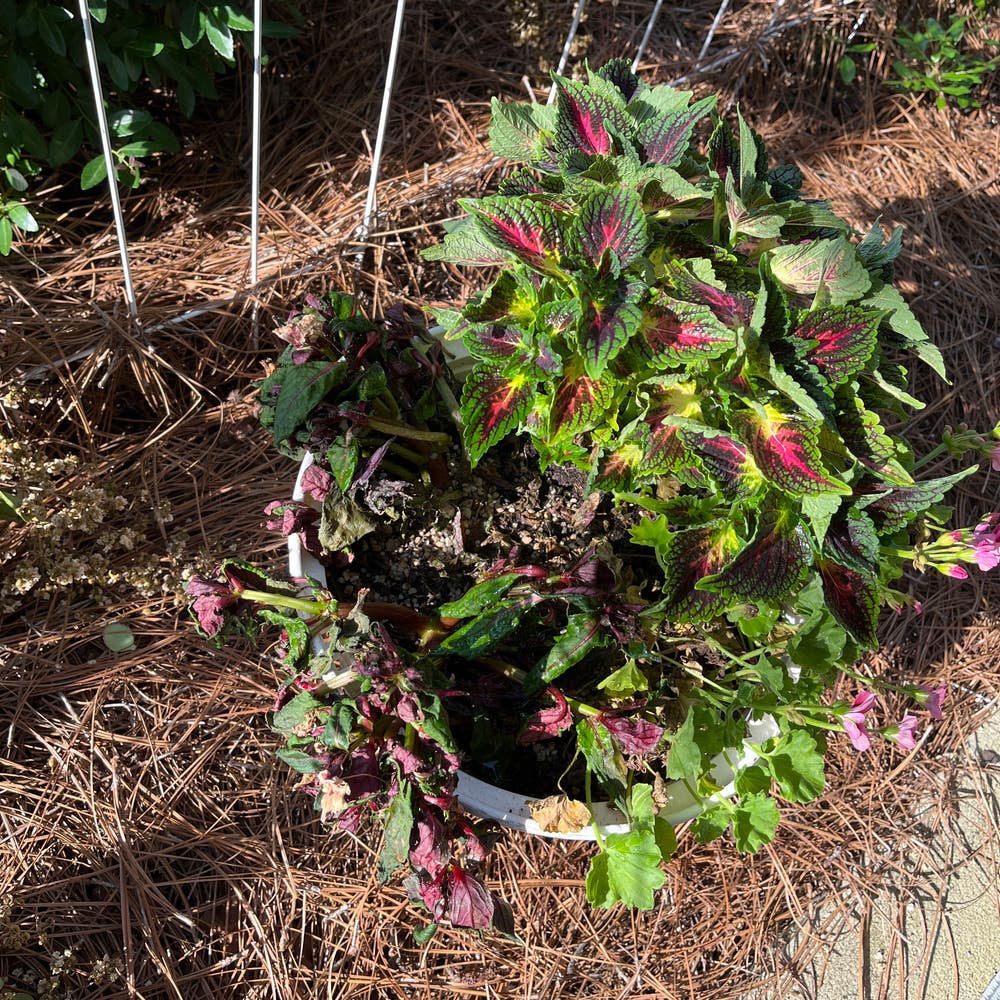
Reasons Why Your Congo Cockatoo Won't Flower 🌸
Impatiens niamniamensis
By the Greg Editorial Team
Oct 11, 2024•4 min read
This article was created with the help of AI so we can cover more plants for you. May contain errors. See one? Report it here.
- 🌞 Congo Cockatoos need 6-8 hours of bright, indirect sunlight for optimal blooming.
- 🍽️ Nutritional deficiencies in phosphorus and potassium hinder flower development; ensure balanced feeding.
- 🌡️ Stable temperatures and humidity are crucial; fluctuations can stress and wilt your plant.
Common Reasons for Failure to Bloom
🌞 Lack of Adequate Light Exposure
Congo Cockatoos thrive on 6-8 hours of bright, indirect sunlight each day. Without this, you might notice stunted growth and sparse foliage, signaling that your plant is not getting the light it craves.
🍽️ Nutritional Deficiencies
Key nutrients like phosphorus, potassium, and various micronutrients are essential for flowering. If your Congo Cockatoo shows poor flower development or yellowing leaves, it may be time to reassess its nutritional intake.
🌬️ Environmental Stress Factors
Changes in temperature or humidity can stress your plant, affecting its ability to bloom. Look for signs such as wilting, leaf drop, and reduced vigor, which indicate that your Congo Cockatoo is struggling to adapt.
✂️ Incorrect Pruning Techniques
Timing is crucial when it comes to pruning. If you prune too late in the season, you risk hindering blooming, and improper cuts can damage flowering nodes, leading to fewer blossoms than you’d like.
Understanding these common reasons for failure to bloom can help you take proactive steps to encourage your Congo Cockatoo to flourish. Next, let’s explore the causes of premature flower drop and how to address them effectively.
Causes of Premature Flower Drop
💧 Inconsistent Watering Practices
Watering your Congo Cockatoo can be a delicate balancing act. Overwatering can lead to root rot, while underwatering may cause the plant to wilt, both of which can result in flower drop.
To maintain healthy blooms, aim for consistent moisture. A good rule of thumb is to check the top inch of soil; if it feels dry, it’s time to water.
🌡️ Sudden Environmental Changes
Congo Cockatoos thrive in stable environments. Sudden temperature fluctuations can stress the plant, leading to premature flower drop.
The ideal temperature range for these beauties is between 65°F and 75°F. Additionally, maintaining humidity levels between 50-70% is crucial for their overall health and blooming potential.
🐛 Pests and Diseases
Pests like aphids and spider mites can wreak havoc on your Congo Cockatoo's flowers. These tiny invaders suck the sap from the plant, weakening it and causing buds to drop.
Fungal infections can also be a culprit, often resulting from overly damp conditions. Keep an eye out for signs like wilting or discolored leaves, as these can indicate underlying issues that need immediate attention.
Understanding these factors can help you create a nurturing environment for your Congo Cockatoo. By addressing watering practices, environmental stability, and pest control, you can encourage healthy blooms and vibrant flowers.
Next, let’s explore the factors leading to abnormal flower development.
Factors Leading to Abnormal Flower Development
🌱 Poor Soil Quality
Well-draining soil is crucial for your Congo Cockatoo to thrive. A recommended soil mix includes equal parts potting soil, perlite, and compost to ensure proper drainage.
Signs of poor drainage often manifest as root rot and stunted growth. If your plant's roots are sitting in water, it can lead to serious health issues.
🥦 Nutritional Imbalances
Excess nitrogen can severely impact flower quality and development. While nitrogen is essential for growth, too much can lead to lush foliage at the expense of blooms.
Look for signs of nutrient burn, such as browning leaf tips and edges. These symptoms indicate that your plant may be overwhelmed by nutrients, signaling the need for a balanced approach.
🐝 Inadequate Pollination
Pollinators play a vital role in the flowering process. Attracting bees and other insects can significantly enhance your Congo Cockatoo's ability to produce flowers.
If natural pollination isn't happening, consider manual pollination techniques. Gently transferring pollen from flower to flower can help ensure successful fertilization and encourage blooming.
Understanding these factors can help you create the ideal environment for your Congo Cockatoo. Next, we’ll explore effective problem-solving strategies to tackle these common flowering issues.
Problem-Solving Strategies
🌱 Identifying and Addressing Environmental Stress
Environmental stress can significantly hinder your Congo Cockatoo's ability to bloom. Common signs include leaf discoloration, wilting, and bud drop, all of which indicate that your plant is struggling.
To mitigate these stress factors, start by adjusting the light exposure. Ensure your plant receives adequate bright, indirect sunlight for 6-8 hours daily. Additionally, monitor humidity and temperature levels, aiming for a consistent environment that supports healthy growth.
🌼 Solutions for Common Flowering Issues
If your Congo Cockatoo is experiencing bud drop or failing to bloom, follow these troubleshooting steps:
- Assess light exposure: Check if your plant is getting enough light and adjust its position if necessary.
- Check soil moisture: Ensure the soil is neither too dry nor waterlogged, as both extremes can affect blooming.
- Evaluate nutritional practices: Review your fertilization routine, focusing on phosphorus and potassium levels to promote flowering.
- Inspect for pests and diseases: Look for signs of infestations or infections, and take appropriate control measures to protect your plant.
By addressing these issues, you can help your Congo Cockatoo thrive and encourage beautiful blooms. With the right care, your plant can flourish, bringing vibrant colors to your space.
⚠️ Safety First
This content is for general information and may contain errors, omissions, or outdated details. It is not medical, veterinary advice, or an endorsement of therapeutic claims.
Always consult a qualified healthcare professional before using any plant as food, medicine, or supplement.
Never eat any plant (or feed one to pets) without confirming its identity with at least two trusted sources.
If you suspect poisoning, call Poison Control (800) 222-1222, the Pet Poison Helpline (800) 213-6680, or your local emergency service immediately.
Spotted an error? Please report it here.
Unlock your Congo Cockatoo's blooming potential 🌸 with Greg's tailored care tips and watering reminders, ensuring it thrives in the perfect environment for stunning flowers!