Managing Direct Sunlight for Your Congo Cockatoo 🦜
Impatiens niamniamensis
By the Greg Editorial Team
Oct 11, 2024•5 min read
This article was created with the help of AI so we can cover more plants for you. May contain errors. See one? Report it here.
- 🌞 Congo Cockatoos thrive in bright, indirect sunlight for optimal health and growth.
- 🌅 Morning sunlight is safer; avoid harsh afternoon rays to prevent stress.
- 🌿 Monitor light exposure to prevent leaf burn and ensure vibrant foliage.
Definition of Direct Sunlight
Explanation Suitable for Children 🌞
Direct sunlight is when the sun's rays hit the plant directly without anything blocking them, like clouds or trees. Imagine standing outside on a sunny day; that's direct sunlight!
Contrast with Indirect Sunlight 🌥️
Indirect sunlight is when the sun's rays are softened or filtered, such as when they pass through a window or are shaded by a tree. Think of it like being in a room with the curtains drawn; you can still see light, but it’s not as bright.
Understanding these differences is crucial for caring for your Congo Cockatoo. Knowing how sunlight affects your plant will help you create the best environment for it to thrive.
Sunlight Needs of Congo Cockatoo
🌞 Does it Need Direct Sunlight?
The Congo Cockatoo thrives best in bright, indirect sunlight. It does not require direct sunlight to grow well, making it a perfect choice for indoor environments.
☀️ Can it Tolerate Direct Sunlight?
While the Congo Cockatoo can handle some direct sunlight, its tolerance is limited. Prolonged exposure can be harmful, so it's best to provide it with morning sun, which is generally safer than the harsher afternoon rays.
🔥 Effects of Too Much Direct Sunlight
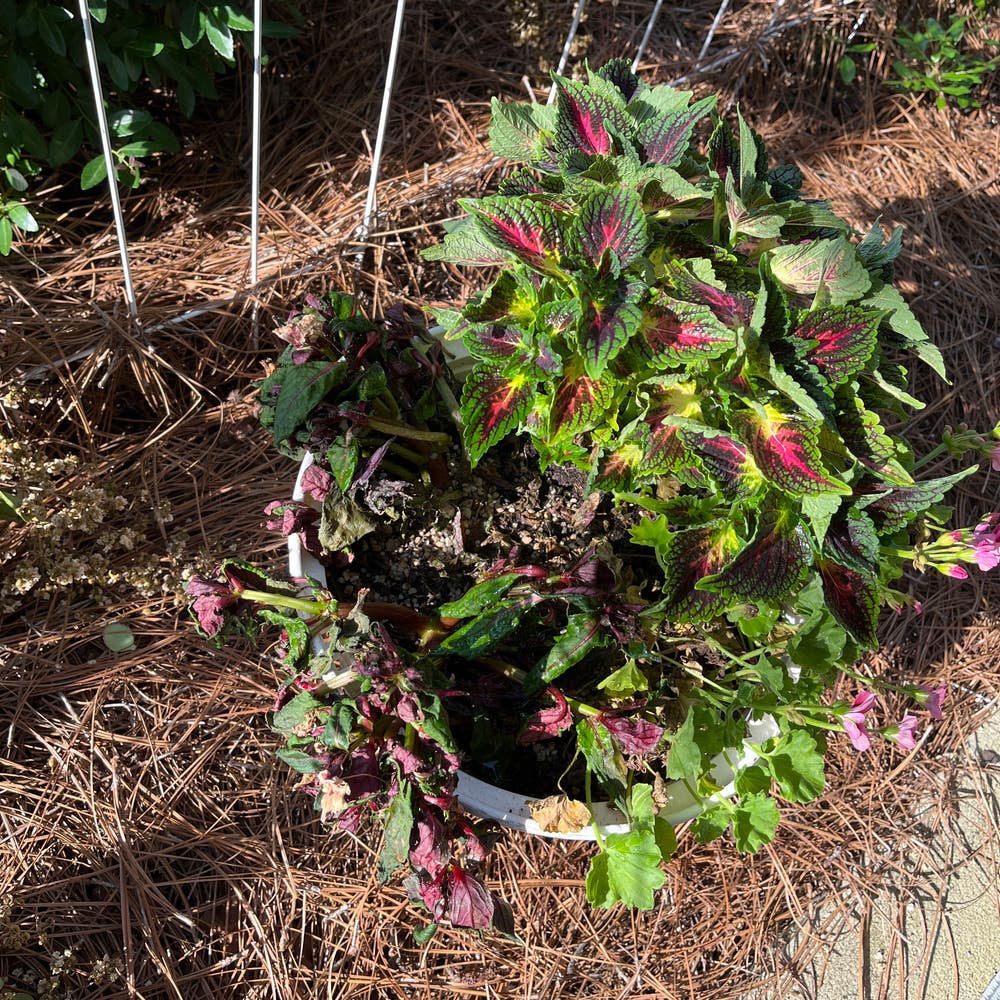
Excessive direct sunlight can lead to leaf burn, where leaves turn brown or crispy at the edges. Additionally, too much sunlight can stunt growth, hindering the overall health of your Congo Cockatoo.
Understanding these sunlight needs is crucial for keeping your Congo Cockatoo vibrant and healthy. Next, we’ll explore the environmental factors that influence its light exposure.
Environmental Factors
🌅 Role of Window Direction
Best Window Directions for Congo Cockatoo
When it comes to window placement, east-facing windows are a top choice. They provide gentle morning light, which is perfect for the Congo Cockatoo.
North-facing windows are also beneficial, offering consistent indirect light throughout the day. This steady exposure helps keep your plant healthy and thriving.
How Window Placement Affects Light Exposure
South-facing windows can be too intense for the Congo Cockatoo. If you choose this direction, consider filtering the light to prevent any damage.
West-facing windows may deliver harsh afternoon sun. It's essential to monitor these conditions closely to avoid stressing your plant.
🌍 Hemisphere Considerations
Differences in Sunlight Intensity by Hemisphere
Sunlight intensity varies significantly between hemispheres. In the Northern Hemisphere, expect more intense sunlight during the summer months.
In contrast, the Southern Hemisphere experiences varying sunlight intensity. Adjust your care routine based on these differences to keep your Congo Cockatoo happy.
Seasonal Changes in Sunlight Exposure
During winter months, days are shorter, and light intensity decreases. It’s a good idea to move your plant closer to a light source during this time.
In summer, longer days can lead to excess sunlight. Be prepared to provide additional shading to prevent leaf burn and ensure your plant remains healthy.
Understanding these environmental factors will help you create the best conditions for your Congo Cockatoo. Next, let’s explore the unique adaptations of this beautiful bird to light exposure.
Unique Adaptations of the Congo Cockatoo to Light Exposure
🌳 Native Habitat
The Congo Cockatoo thrives in dappled light conditions, which closely resemble its natural environment. This means it prefers a mix of sunlight and shade, allowing it to flourish without the harshness of direct sun.
🦜 Adaptations for Survival
One of the Congo Cockatoo's remarkable adaptations is its thick leaves. These leaves not only help retain moisture but also provide protection against intense light exposure.
💡 Importance of Light Conditions
Understanding these adaptations is crucial for providing the best care for your Congo Cockatoo. By mimicking its native habitat, you can ensure it remains healthy and vibrant.
🏁 Conclusion
Recognizing the Congo Cockatoo's unique needs will enhance its growth and well-being. Next, let’s explore common misconceptions about its sunlight requirements to further clarify how to best care for this beautiful bird.
Common Misconceptions About the Sunlight Needs of the Congo Cockatoo
Misconception: All Indoor Plants Need Direct Sunlight 🌞
Many people assume that if a plant is indoors, it must bask in direct sunlight to thrive. This belief can lead to overexposure, which is not ideal for every plant species.
Reality: Congo Cockatoo Prefers Bright, Indirect Light 🌤️
The Congo Cockatoo actually flourishes in bright, indirect light. This preference aligns with its natural habitat, where it enjoys dappled sunlight rather than harsh rays.
Understanding the Importance of Light Quality 💡
Providing the right light quality is crucial for the health of your Congo Cockatoo. Bright, indirect light promotes vibrant growth and lush foliage, ensuring your plant remains healthy and happy.
Avoiding Common Pitfalls ⚠️
Overexposing your Congo Cockatoo to direct sunlight can lead to leaf burn and stunted growth. It's essential to monitor light conditions and adjust accordingly to keep your plant thriving.
Conclusion
Understanding these misconceptions helps you create the best environment for your Congo Cockatoo. By prioritizing bright, indirect light, you’ll set your plant up for success, ensuring it flourishes in your care.
Next, let’s explore the environmental factors that influence sunlight exposure for your Congo Cockatoo.
⚠️ Safety First
This content is for general information and may contain errors, omissions, or outdated details. It is not medical, veterinary advice, or an endorsement of therapeutic claims.
Always consult a qualified healthcare professional before using any plant as food, medicine, or supplement.
Never eat any plant (or feed one to pets) without confirming its identity with at least two trusted sources.
If you suspect poisoning, call Poison Control (800) 222-1222, the Pet Poison Helpline (800) 213-6680, or your local emergency service immediately.
Spotted an error? Please report it here.
Ensure your Congo Cockatoo gets the perfect light balance 🌤️ with Greg's tailored reminders and monitoring tools to help it thrive without the risk of leaf burn!