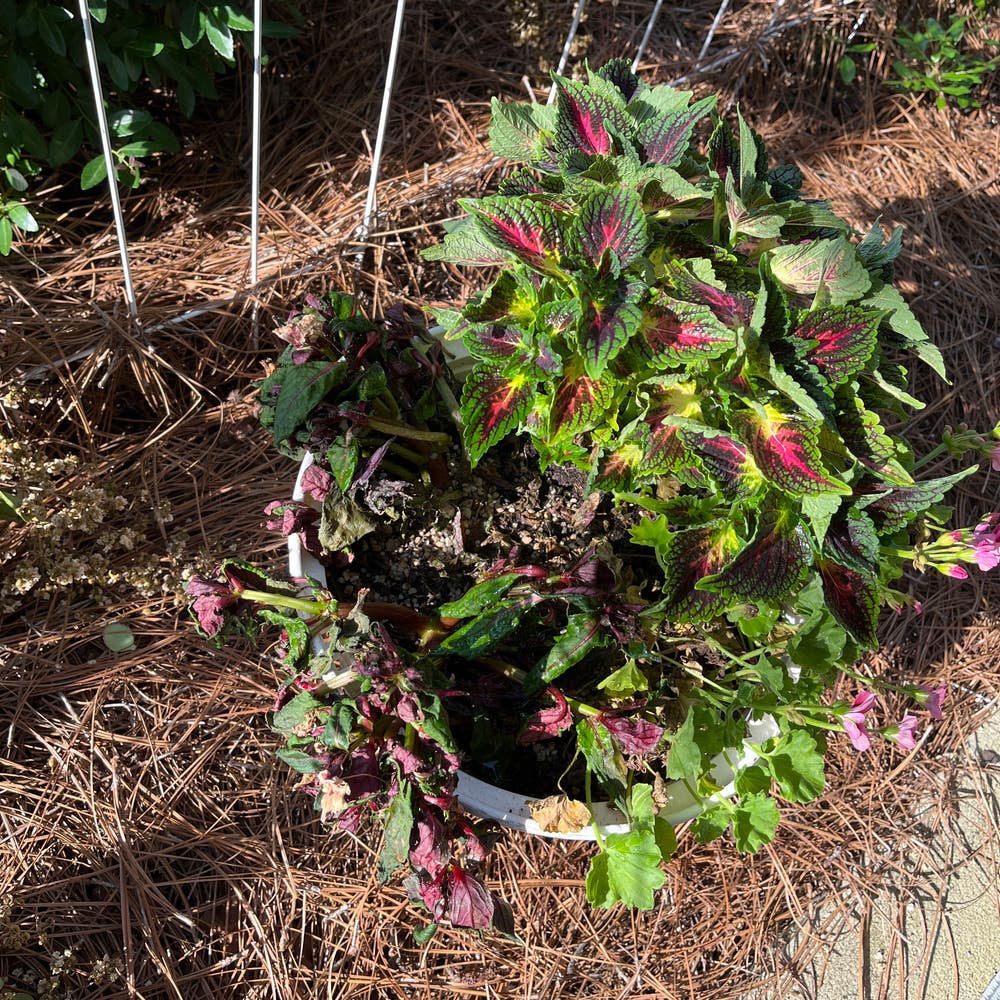
🐦 Step-by-Step Guide to Repotting Your Congo Cockatoo
Impatiens niamniamensis
By the Greg Editorial Team
Oct 11, 2024•7 min read
This article was created with the help of AI so we can cover more plants for you. May contain errors. See one? Report it here.
- 🌱 Repot when roots show through drainage holes or soil is compacted.
- 🌼 Spring is the best season for repotting your Congo Cockatoo.
- 🚫 Avoid overwatering post-repotting to prevent root suffocation and stress.
Signs That Your Congo Cockatoo Needs Repotting
🌱 Physical Indicators
Recognizing when your Congo Cockatoo needs repotting is crucial for its health. One clear sign is root growth; if you see roots poking through the drainage holes, it’s time to act.
Another indicator is the soil condition. If it looks compacted or depleted, your plant may not be getting the nutrients it needs. Additionally, watch for plant health issues like yellowing leaves or stunted growth, which can signal that repotting is necessary.
🌍 Environmental Factors
Environmental factors also play a role in determining when to repot. If your Congo Cockatoo is experiencing rapid growth during the growing season, it’s likely outgrowing its pot.
Seasonal changes can further prompt growth. Increased humidity and temperature can create the perfect conditions for your plant to thrive, making repotting a timely consideration.
By keeping an eye on these signs, you can ensure your Congo Cockatoo remains vibrant and healthy. Next, let’s explore the ideal timing for repotting to maximize your plant's growth potential.
Ideal Timing for Repotting
🌱 Best Seasons for Repotting
Timing is everything when it comes to repotting your Congo Cockatoo. Spring is the prime season, as the plant gears up for its active growth phase. This is when it’s most receptive to changes and can thrive in a new pot.
If you miss the spring window, don’t fret! Early summer is your second-best option. The warmer temperatures can still support healthy growth, making it a suitable time for repotting.
🚨 Signs of Stress
After repotting, keep a close eye on your Congo Cockatoo. Look for signs of stress like wilting, leaf drop, or discoloration. These indicators can help you adjust care as needed, ensuring your plant remains healthy and vibrant.
Monitoring your plant post-repotting is crucial. If you notice any stress signs, act quickly to provide the right conditions for recovery. This proactive approach will help your Congo Cockatoo flourish in its new home.
With the right timing and care, your plant will thrive, setting the stage for the next steps in your repotting journey.
Step-by-Step Repotting Process for Congo Cockatoo
Repotting your Congo Cockatoo can seem daunting, but with the right approach, it can be a rewarding experience. Follow these steps to ensure your plant thrives in its new home.
1. Gather Necessary Materials 🛠️
Start by collecting all the essentials:
- A new pot that’s the right size and material.
- Potting soil specifically suited for Congo Cockatoo.
- Tools like a trowel, gloves, and a watering can.
2. Prepare the New Pot 🥣
Before you dive in, make sure your new pot is ready:
- Check that it has proper drainage holes.
- Add a layer of gravel or small stones at the bottom to enhance drainage.
3. Remove the Congo Cockatoo from Its Current Pot 🚪
Now it’s time for the big move:
- Gently loosen the soil around the edges of the current pot.
- Carefully lift the plant out, minimizing any disturbance to the roots.
4. Inspect the Roots 🔍
Once out, take a close look at the roots:
- Healthy roots should be white; brown or mushy ones indicate trouble.
- Trim any damaged or dead roots using sterilized scissors to prevent infection.
5. Place the Plant in the New Pot 🌱
Position your plant correctly in its new home:
- Set it at the same depth as it was in the previous pot.
- Fill in with potting soil, ensuring there are no air pockets left behind.
6. Water Thoroughly 💧
Finally, give your plant a good drink:
- Water until you see excess draining from the bottom.
- Allow the plant to settle for a few days before resuming your regular watering routine.
Following these steps will help your Congo Cockatoo adjust smoothly to its new pot. With the right care, it will flourish and bring joy to your space. Next, let’s explore the best pot materials to enhance your plant’s growth!
Pot Material Options for Congo Cockatoo
Choosing the right pot material for your Congo Cockatoo is crucial for its health and growth. Each material has its unique benefits and drawbacks, so let's break them down.
🥇 Pros and Cons of Each Material
Ceramic
Ceramic pots are visually appealing and provide good insulation for roots. However, they can be heavy and may retain too much moisture, which can lead to root rot.
Plastic
Plastic pots are lightweight and affordable, making them a popular choice. They offer good drainage options but may not be as durable and can heat up quickly in direct sunlight.
Terracotta
Terracotta pots are breathable and provide excellent drainage, which is essential for healthy root systems. On the downside, they can dry out quickly, requiring more frequent watering.
Metal
Metal pots are durable and offer a modern aesthetic. However, they can heat up excessively, potentially harming the roots, so caution is advised.
🌱 Recommended Pot Materials for Optimal Growth
For the best results, opt for terracotta or high-quality plastic pots. These materials strike a balance between drainage and moisture retention, promoting healthy growth.
🚫 Materials to Avoid for Congo Cockatoo
It's best to avoid metal pots unless they are insulated. The risk of overheating can jeopardize your plant's health, so stick to safer options.
Choosing the right pot material is just one step in ensuring your Congo Cockatoo thrives. Next, let’s explore common repotting mistakes to avoid for a smoother experience.
Common Repotting Mistakes for Congo Cockatoo
Mistakes to Avoid 🛑
Repotting can be a delicate process, and avoiding common pitfalls is crucial. One major mistake is overwatering immediately after repotting, which can suffocate the roots.
Another frequent error is using pots that are too large. This can lead to excess soil moisture, creating a soggy environment that may harm your Congo Cockatoo.
How to Prevent Root Damage During Repotting 🛠️
To ensure a successful repotting, handle the roots gently. Excessive disturbance can lead to stress and damage, so be mindful as you work.
Using sterilized tools is also essential. This minimizes the risk of infection and helps keep your plant healthy during the transition.
Signs of Stress After Repotting and How to Address Them 🚨
After repotting, keep an eye out for signs of stress, such as wilting or leaf drop. If you notice these symptoms, adjust your care routine accordingly.
Increasing humidity and reducing light exposure temporarily can help your Congo Cockatoo recover. These adjustments create a more supportive environment as your plant acclimates to its new pot.
By avoiding these mistakes and being attentive to your plant's needs, you can ensure a smooth transition and promote healthy growth.
Repotting Frequency for Congo Cockatoo
🌱 How Often Should You Repot Your Congo Cockatoo?
Repotting your Congo Cockatoo is generally recommended every 1-2 years. This timeline can vary based on the plant's growth rate and overall health.
⏳ Factors Influencing Repotting Frequency
Several factors can affect how often you need to repot:
Growth Rate
Faster-growing varieties may require more frequent repotting. If you notice your plant thriving, it might be time for a new pot sooner than expected.
Pot Size
The size of the pot plays a crucial role. Larger pots can extend the time between repottings, as they hold more soil and moisture.
Soil Condition
If the soil becomes depleted or compacted, it may necessitate earlier repotting. Keeping an eye on soil health can help you determine the right timing.
By understanding these factors, you can ensure your Congo Cockatoo remains healthy and vibrant. Next, let’s dive into common repotting mistakes to avoid for optimal plant care.
⚠️ Safety First
This content is for general information and may contain errors, omissions, or outdated details. It is not medical, veterinary advice, or an endorsement of therapeutic claims.
Always consult a qualified healthcare professional before using any plant as food, medicine, or supplement.
Never eat any plant (or feed one to pets) without confirming its identity with at least two trusted sources.
If you suspect poisoning, call Poison Control (800) 222-1222, the Pet Poison Helpline (800) 213-6680, or your local emergency service immediately.
Spotted an error? Please report it here.
Transform your Congo Cockatoo's home with confidence 🌱—let Greg guide you with tailored reminders and expert tips for a thriving repotting experience!