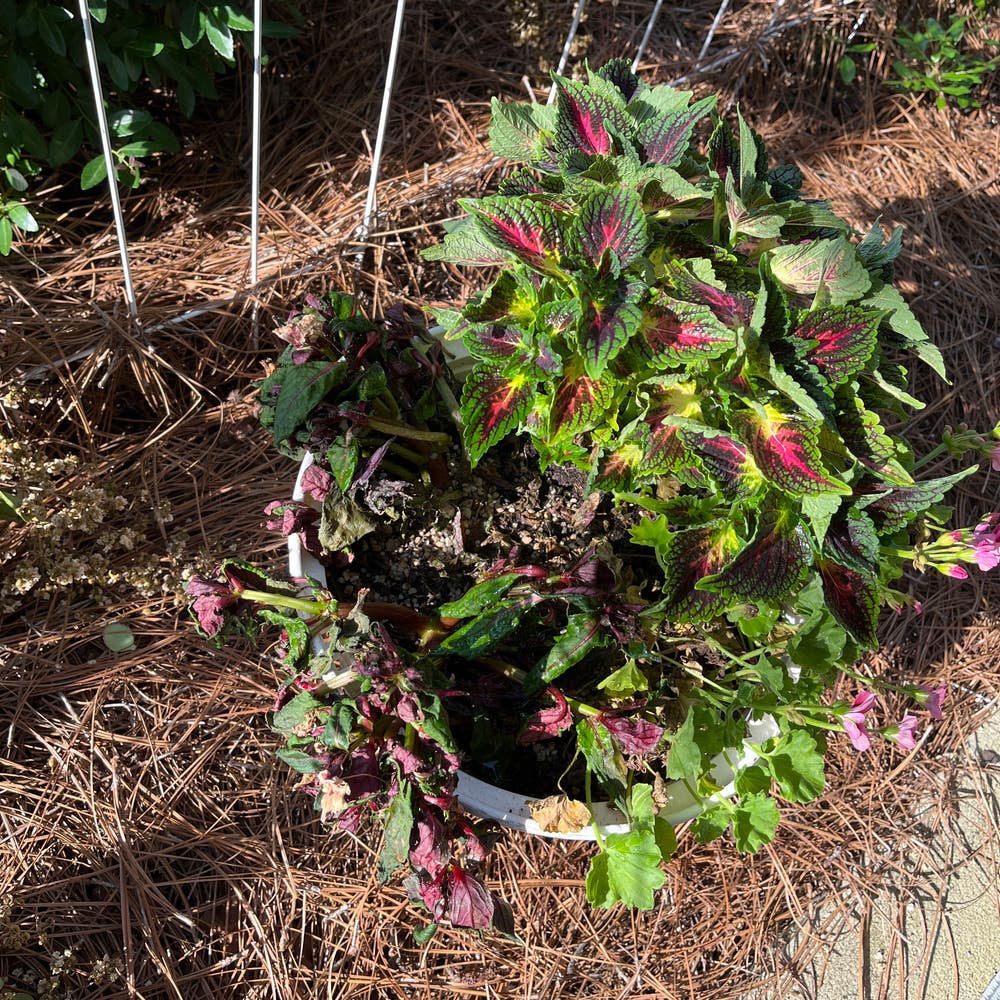
Step-by-Step Guide to Fertilizing Your Congo Cockatoo 🦜
Impatiens niamniamensis
By the Greg Editorial Team
Oct 11, 2024•8 min read
This article was created with the help of AI so we can cover more plants for you. May contain errors. See one? Report it here.
- 🌱 Congo Cockatoos need balanced NPK (3-1-2) for vibrant growth and plumage.
- 🥗 Juveniles require nutrient-dense diets; adults need balanced nutrition for vitality.
- 🌿 Organic fertilizers are safer and effective; always read labels for specific needs.
Nutrient Requirements
🌱 Essential Nutrients
Congo Cockatoos thrive on a balanced diet rich in essential nutrients. The primary macronutrients to focus on are nitrogen (N), phosphorus (P), and potassium (K), commonly referred to as NPK. A suitable NPK ratio for these birds is typically around 3-1-2, promoting healthy growth and vibrant plumage.
Micronutrients are equally vital. Calcium supports strong bones and eggshell formation, magnesium aids in enzyme function, and iron is crucial for oxygen transport in the blood. Ensuring your Congo Cockatoo receives these micronutrients will enhance their overall health and blooming.
📈 Growth Stages and Nutrient Needs
Understanding the growth stages of your Congo Cockatoo is key to meeting their nutritional needs. During the juvenile stage, focus on a nutrient-dense diet to support rapid growth. This stage requires higher levels of protein and essential vitamins.
As your bird matures into adulthood, the focus shifts to maintaining a balanced diet. This ensures they remain healthy and vibrant, with a nutrient balance that supports both maintenance and blooming.
In the aging stage, it's important to adjust nutrient intake to promote health and longevity. This may involve reducing certain nutrients while increasing others, based on your bird's specific health assessments.
By tailoring the nutrient intake to each growth stage, you can help your Congo Cockatoo thrive at every phase of life. Transitioning to the next section, we’ll explore the types of fertilizers that can best support these nutrient requirements.
Types of Fertilizers
🌱 Organic vs. Synthetic Fertilizers
When it comes to fertilizing your Congo Cockatoo, choosing between organic and synthetic fertilizers is crucial. Organic fertilizers are derived from natural sources, making them safer for your bird and the environment. They promote healthy soil and plant growth without introducing harmful chemicals.
On the flip side, synthetic fertilizers can be effective but come with risks. They often contain concentrated chemicals that may cause sensitivity in some birds. Over time, these chemicals can accumulate in the environment, raising concerns about long-term health impacts.
🏷️ Recommended Brands or Products
For those looking to nourish their Congo Cockatoo with organic options, several brands stand out. Here’s a quick list of top organic fertilizers:
- Dr. Earth Organic Fertilizer: Known for its balanced nutrient profile, perfect for all growth stages.
- FoxFarm Happy Frog: Offers a rich blend of nutrients, ideal for stimulating growth.
- Espoma Organic Plant-tone: A well-rounded option that supports overall health.
When comparing these products, consider their nutrient content. For instance, Dr. Earth provides a higher nitrogen ratio, which is beneficial during the juvenile stage. In contrast, FoxFarm is excellent for adults needing balanced nutrition.
📊 Nutrient Content Comparison
| Brand | NPK Ratio | Best For |
|---|---|---|
| Dr. Earth Organic Fertilizer | 4-6-3 | Juvenile growth |
| FoxFarm Happy Frog | 5-5-5 | Adult maintenance |
| Espoma Organic Plant-tone | 3-4-4 | General health |
Choosing the right fertilizer can make a significant difference in your Congo Cockatoo's health and vitality. Always read labels carefully and select products that align with your bird's specific needs.
With the right fertilizer in hand, you’re ready to move on to the application process. Let’s explore how to effectively apply these nutrients for optimal growth!
How to Apply Fertilizer
Applying fertilizer to your Congo Cockatoo is a straightforward process that can significantly enhance their health and vitality. Follow these simple steps to ensure your feathered friend gets the nutrients they need.
📝 Step-by-Step Application Process
Determine the Appropriate Fertilizer Type
Start by identifying the right fertilizer based on your Congo Cockatoo's growth stage. Juveniles, adults, and aging birds have different nutritional needs.Measure the Correct Dosage
Always refer to the product instructions for the correct dosage. Accurate measurement is crucial to avoid over-fertilization.Prepare the Feeding Area
Clean the feeding area thoroughly. Remove any debris to ensure a safe and hygienic environment for your bird.Distribute the Fertilizer
You can either evenly distribute the fertilizer around the feeding area or mix it directly with their food. This helps in ensuring that your Congo Cockatoo consumes the nutrients effectively.Monitor the Response
Keep an eye on your bird's behavior and health after application. Look for any signs of improvement or distress.
🛠️ Tools Needed for Application
Measuring Spoons or Scales
These are essential for ensuring you get the dosage right every time.Mixing Bowls
Use these for combining fertilizer with food, making it easier for your bird to consume.Gloves
Always wear gloves when handling fertilizers to protect your skin and ensure safe application.
By following these steps and using the right tools, you can effectively nourish your Congo Cockatoo. This not only supports their growth but also enhances their overall well-being.
Next, let’s explore the best fertilization schedule tailored to seasonal changes and growth stages.
Fertilization Schedule
🌱 Seasonal Considerations
Understanding the seasonal needs of your Congo Cockatoo is crucial for effective fertilization.
Spring: This is the time for increased fertilization to stimulate growth. As your bird becomes more active, it needs extra nutrients to support its vibrant energy.
Summer: During peak growth, maintain a consistent fertilization routine. This helps ensure your Congo Cockatoo thrives in the warm weather.
Fall: Gradually reduce fertilization as growth slows. This transition helps your bird prepare for the upcoming dormancy period.
Winter: Minimal or no fertilization is recommended during dormancy. Your Congo Cockatoo will benefit from a break, allowing its body to rest.
🐣 Growth Stage-Specific Fertilization
Tailoring your fertilization approach to your Congo Cockatoo's growth stage is essential for optimal health.
Juvenile Stage: Young birds require more frequent applications to support their rapid growth. Regular feeding of nutrients will help them develop strong and healthy.
Adult Stage: Balanced fertilization every 4-6 weeks is ideal. This schedule maintains health without overwhelming your bird.
Aging Stage: Adjust nutrient intake based on health assessments. Older birds may need specific nutrients to support their longevity and well-being.
By following these guidelines, you can ensure your Congo Cockatoo receives the right nutrients at the right time. This tailored approach will help your feathered friend thrive throughout its life stages.
Next, let’s explore the signs of over-fertilization and how to address them effectively.
Signs of Over-Fertilization
Symptoms to Watch For 🌱
Over-fertilization can lead to noticeable changes in your Congo Cockatoo's behavior. Look out for reduced activity or lethargy, which may indicate that something is off.
Physical signs are also critical. You might notice leaf burn, discoloration, or wilting in the plants around your bird's environment, signaling excess nutrients.
Digestive issues can arise as well. Changes in feeding habits or stool consistency are red flags that should not be ignored.
How to Remedy Over-Fertilization 🛠️
If you suspect over-fertilization, the first step is to stop fertilization immediately. This quick action can prevent further complications.
Next, flush the feeding area with water to dilute any excess nutrients. This helps restore balance in the environment.
Keep a close eye on your Congo Cockatoo for any signs of recovery. Monitoring is essential to ensure your bird is bouncing back.
If symptoms persist, consult a veterinarian. Professional guidance can provide peace of mind and ensure your bird's health is prioritized.
Recognizing and addressing over-fertilization is crucial for your Congo Cockatoo's well-being. By staying vigilant, you can create a healthier environment for your feathered friend.
Common Mistakes in Fertilizing
🥴 Misunderstanding Nutrient Needs
One of the biggest pitfalls in fertilizing your Congo Cockatoo is overlooking their specific nutrient requirements based on growth stages. Each stage—juvenile, adult, and aging—has unique needs that must be met for optimal health.
Ignoring the importance of balanced fertilization can lead to deficiencies or excesses. This imbalance can affect everything from feather quality to overall vitality.
🚫 Incorrect Application Techniques
Applying too much fertilizer at once is another common mistake. Over-fertilization can harm your bird rather than help it, leading to nutrient burn and other health issues.
Failing to mix fertilizer properly with food can also create problems. If the fertilizer isn't evenly distributed, your Congo Cockatoo may not receive the nutrients it needs.
Neglecting to adjust fertilization based on seasonal changes and health status is a critical error. Just like us, birds have different needs throughout the year, and staying attuned to these changes is essential for their well-being.
By avoiding these common mistakes, you can ensure your Congo Cockatoo thrives. Next, let’s explore how to create a fertilization schedule that aligns with their growth stages and seasonal needs.
⚠️ Safety First
This content is for general information and may contain errors, omissions, or outdated details. It is not medical, veterinary advice, or an endorsement of therapeutic claims.
Always consult a qualified healthcare professional before using any plant as food, medicine, or supplement.
Never eat any plant (or feed one to pets) without confirming its identity with at least two trusted sources.
If you suspect poisoning, call Poison Control (800) 222-1222, the Pet Poison Helpline (800) 213-6680, or your local emergency service immediately.
Spotted an error? Please report it here.
Ensure your Congo Cockatoo thrives with tailored nutrition 🦜 by using Greg's expert tips and reminders to provide the right balance of nutrients at every life stage!