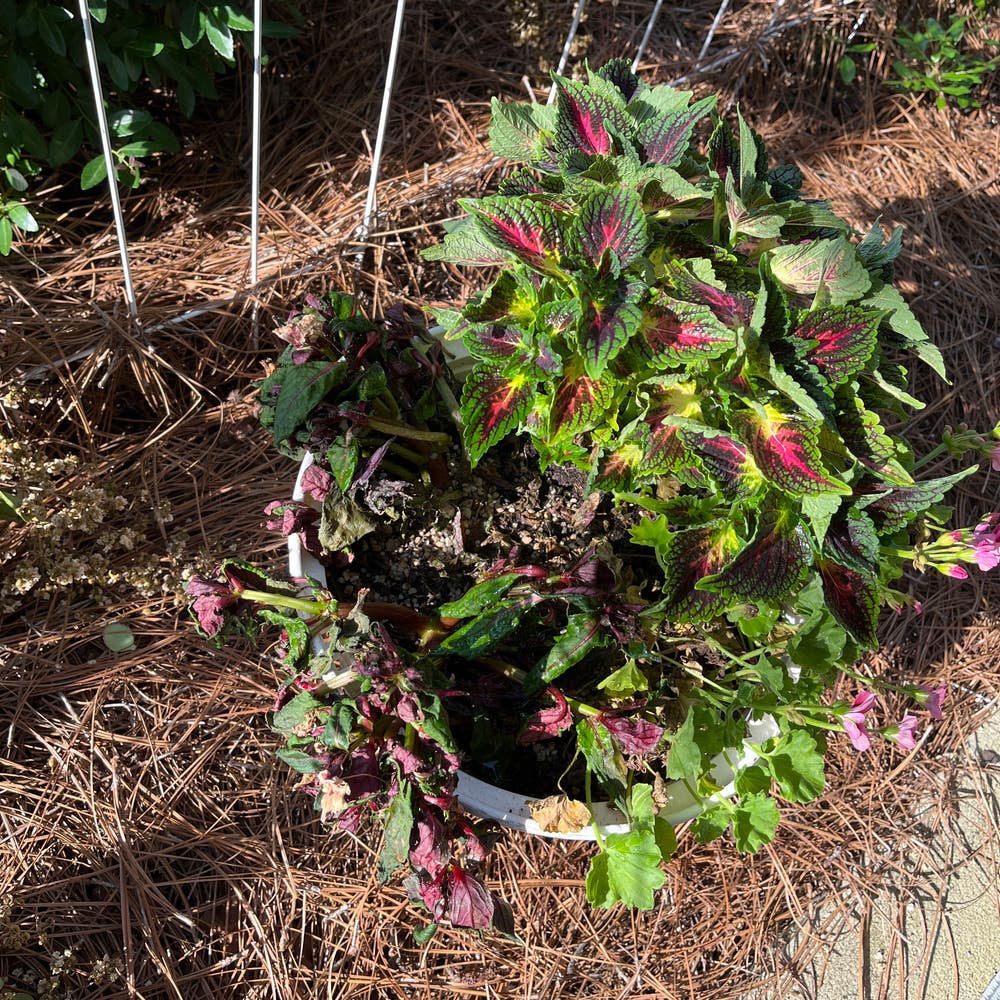
Congo Cockatoo: Not an Annual 🦜
Impatiens niamniamensis
By the Greg Editorial Team
Oct 11, 2024•4 min read
This article was created with the help of AI so we can cover more plants for you. May contain errors. See one? Report it here.
- 🌱 Congo Cockatoos are perennials, thriving for years, unlike typical annuals.
- 🌿 Multiple flowering cycles enhance vitality and seed production throughout their lifespan.
- 🌍 Understanding their lifecycle improves gardening strategies and boosts biodiversity in gardens.
Genetic and Physiological Characteristics
🌱 Long-term Lifecycle of Congo Cockatoo
The Congo Cockatoo boasts a remarkable lifespan, often exceeding five years. This longevity is a testament to its resilience, allowing it to thrive through various seasonal challenges.
💪 Resilience
Adaptations in the Congo Cockatoo enable it to withstand environmental fluctuations. These traits ensure survival, even in less-than-ideal conditions.
📈 Growth Patterns Specific to Congo Cockatoo
Root System
The Congo Cockatoo develops deep and extensive roots. This robust root system supports nutrient uptake and provides stability, crucial for its growth.
Above-ground Growth
Above ground, the Congo Cockatoo maintains persistent foliage. Its structural integrity remains intact across seasons, showcasing its adaptability.
🌼 Reproductive Strategies and Seed Production
Seed Viability
One of the Congo Cockatoo's standout features is its ability to produce seeds that remain viable for years. This trait enhances its chances of survival in varying conditions.
Flowering Cycles
The Congo Cockatoo experiences multiple flowering periods throughout its lifespan. This continuous blooming not only supports reproduction but also contributes to its overall vitality.
As we explore the lifecycle implications of the Congo Cockatoo, we’ll uncover how these genetic and physiological characteristics influence its growth and flowering patterns.
Lifecycle Implications
🌱 Effects on Growth and Flowering
Congo Cockatoos exhibit continuous growth, allowing them to flower and produce leaves year after year. This persistent growth pattern is a significant advantage, as it ensures a vibrant display throughout the seasons.
Environmental factors play a crucial role in influencing flowering times. Changes in temperature, humidity, and light can trigger different flowering cycles, making it essential to understand these dynamics for optimal growth.
🌾 Seed Production Compared to Annuals
Unlike annuals, which typically produce seeds in a single cycle, Congo Cockatoos can have multiple seed production cycles each year. This ability enhances their chances of survival and establishment in various environments.
Their seed dispersal strategies are equally fascinating. By employing mechanisms that promote seed spread, such as wind or animal interaction, Congo Cockatoos ensure their seeds find suitable conditions for germination and growth.
The unique lifecycle of the Congo Cockatoo not only sets it apart from annuals but also highlights its resilience and adaptability in diverse ecosystems. This understanding paves the way for effective gardening strategies and management practices, which we will explore next.
Common Misconceptions
🌱 Situations Where Congo Cockatoo May Be Mistaken for an Annual
Many gardeners mistakenly view the Congo Cockatoo as an annual due to environmental stressors. Drought or extreme temperatures can lead to reduced growth, making it seem like the plant is short-lived.
This misinterpretation often stems from seasonal dieback. When the plant appears to fade during harsh conditions, it can easily be confused with annuals that complete their lifecycle in one season.
🌍 Regional Variations Affecting Classification
Climate plays a significant role in shaping perceptions of the Congo Cockatoo's lifespan. In regions with harsher climates, the plant may struggle, leading to misconceptions about its longevity.
Local gardening practices also influence how the Congo Cockatoo is treated. In some areas, gardeners may opt to treat it as an annual, overlooking its perennial nature and potential for long-term growth.
Understanding these misconceptions can help gardeners appreciate the true resilience and beauty of the Congo Cockatoo. This knowledge sets the stage for better gardening strategies and care practices.
Gardening Strategies
Advantages of Planting Congo Cockatoo as a Perennial 🌱
Planting Congo Cockatoo as a perennial offers significant long-term benefits. You’ll enjoy fewer replanting efforts, allowing your garden to maintain its beauty year after year.
Additionally, these plants contribute to biodiversity. Their presence supports various pollinators and enhances the overall health of your garden ecosystem.
Tips for Integrating Congo Cockatoo into Garden Design 🌼
When incorporating Congo Cockatoo into your garden, consider companion planting. Pairing them with other perennials can create a vibrant, thriving environment.
Placement is also crucial for optimal growth. Ensure they receive adequate sunlight and space to flourish, enhancing both their health and visual appeal.
Management Tips
Best Practices for Maximizing Longevity 🌱
Maintaining soil health is crucial for the Congo Cockatoo's longevity. Aim for nutrient-rich, well-draining soil to support robust growth.
Consistent moisture is key, but be cautious of overwatering. Ensure the plant receives adequate hydration without creating waterlogged conditions.
Seasonal Care Considerations for Perennials 🍂
Pruning is essential for encouraging healthy growth. Timing your cuts can significantly impact the plant's vitality and flowering potential.
Fertilization should be approached with care. Use appropriate schedules and types of fertilizers tailored for perennials to ensure optimal nutrient uptake.
By implementing these management tips, you can enhance the longevity and beauty of your Congo Cockatoo, ensuring it thrives in your garden for years to come. Next, let’s explore effective gardening strategies to integrate this unique plant into your landscape.
⚠️ Safety First
This content is for general information and may contain errors, omissions, or outdated details. It is not medical, veterinary advice, or an endorsement of therapeutic claims.
Always consult a qualified healthcare professional before using any plant as food, medicine, or supplement.
Never eat any plant (or feed one to pets) without confirming its identity with at least two trusted sources.
If you suspect poisoning, call Poison Control (800) 222-1222, the Pet Poison Helpline (800) 213-6680, or your local emergency service immediately.
Spotted an error? Please report it here.
Unlock the long-term beauty of the Congo Cockatoo 🌼 with Greg's tailored care reminders and tips, ensuring this resilient perennial flourishes in your garden for years to come!