🌸 7 Steps to a Healthy Outdoor Garden Verbena
Verbena x hybrida
By the Greg Editorial Team
Oct 02, 2024•8 min read
This article was created with the help of AI so we can cover more plants for you. May contain errors. See one? Report it here.
Cultivate stunning verbena blooms 🌼 with essential tips on sunlight, watering, and care for your thriving garden!
- ☀️ Verbena needs 6-8 hours of sunlight for optimal growth and vibrant blooms.
- 💧 Water deeply once a week, adjusting for heat to keep plants hydrated.
- 🌱 Well-draining soil and regular inspections are crucial for preventing pests and diseases.
Sunlight Needs
Ideal Sunlight Exposure 🌞
To thrive, verbena requires 6-8 hours of direct sunlight each day. Without this full sun exposure, you may notice stunted growth and fewer flowers, which can be disappointing for any gardener.
Adjusting for Different Conditions 🌤️
While verbena prefers full sun, it can tolerate partial shade. However, be aware that in dappled sunlight, the blooms may not be as vibrant or plentiful.
It's crucial to monitor light conditions throughout the day. This ensures your plants are getting the optimal amount of sunlight they need to flourish.
Understanding these sunlight needs will set the foundation for a healthy garden. Next, let’s dive into the watering requirements to keep your verbena thriving.
Watering Requirements
General Watering Guidelines 🌊
To keep your verbena thriving, water deeply once a week. During extreme heat, you may need to increase this frequency to ensure your plants stay hydrated.
Always check the soil moisture before watering. Make sure the top inch of soil is dry; this helps prevent overwatering, which can be detrimental to your plants.
Drought Tolerance 🌵
Once established, verbena can tolerate drought conditions quite well. This resilience allows you to reduce watering frequency, making it easier to maintain your garden.
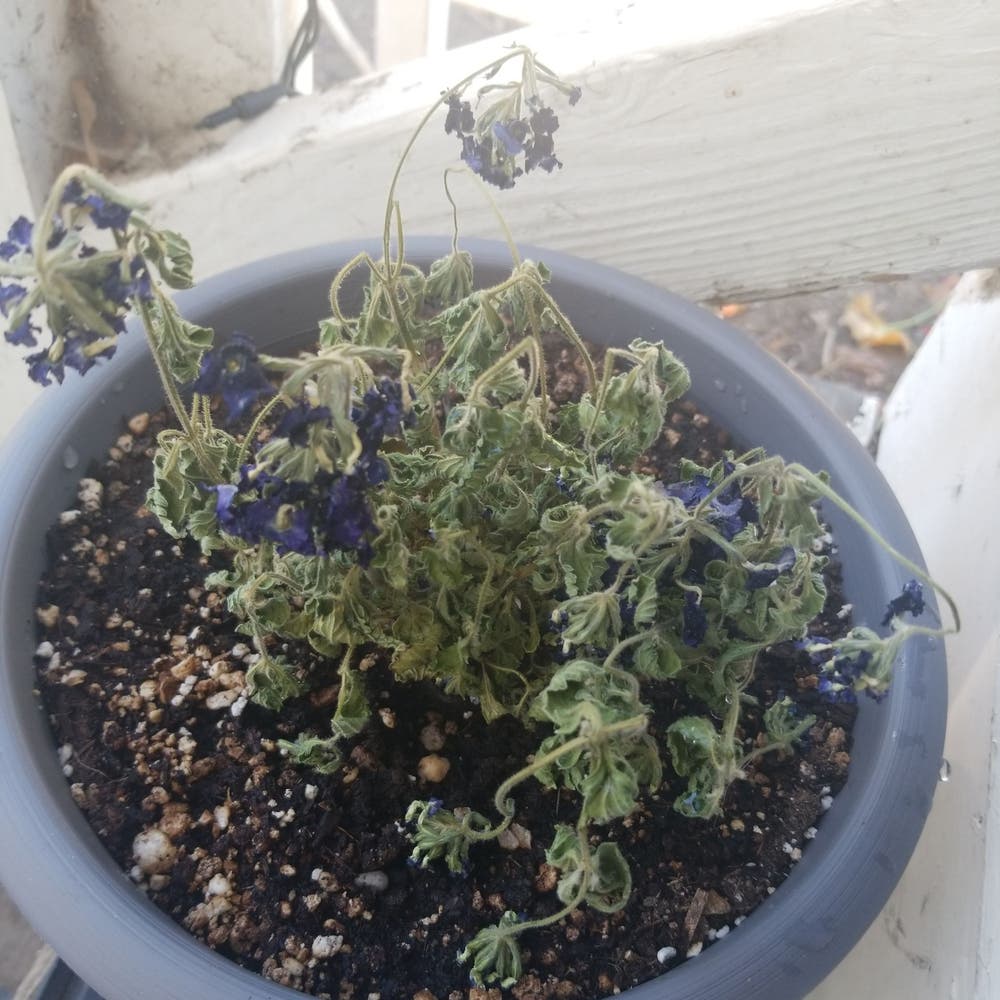
However, be mindful of the signs of overwatering. Yellowing leaves and root rot are clear indicators that your plants are getting too much water, so adjust your watering schedule accordingly.
With these watering tips, your verbena will flourish, setting the stage for vibrant blooms. Next, let’s explore the ideal soil preferences to further enhance your garden's success.
Soil Preferences
Ideal Soil Composition 🌱
For healthy garden verbena, well-draining soil is essential. Sandy loam or loamy soil is preferred, allowing for optimal moisture retention and drainage.
The soil pH should be slightly acidic to neutral, ideally between 6.0 and 7.0. This range supports nutrient availability, ensuring your plants thrive.
Soil Amendments 🧑🌾
Improving drainage is crucial, especially if your soil is heavy. Adding perlite or sand can enhance aeration and prevent waterlogging.
To enrich the soil with nutrients, incorporate organic matter like compost. This not only boosts fertility but also improves soil structure, promoting robust growth.
With the right soil conditions, your verbena will flourish, setting the stage for vibrant blooms. Next, let’s explore effective fertilization techniques to keep your plants nourished.
Fertilization Techniques
Fertilization Schedule 🌱
To keep your verbena thriving, fertilize every 4-6 weeks during the growing season. A balanced NPK fertilizer, like 10-10-10, or slow-release granules will provide the essential nutrients your plants need.
Signs of Nutrient Deficiency ⚠️
Watch for yellowing leaves, which often indicate a nitrogen deficiency. If your verbena isn't flowering as much as you'd like, it might be lacking phosphorus, so keep an eye out for those signs.
By staying attentive to your fertilization schedule and recognizing nutrient deficiencies, you can ensure your verbena flourishes beautifully. Next, let’s explore the various planting options to maximize your garden's potential.
Planting Options
🌱 Container Gardening vs. In-Ground Planting
When deciding between container gardening and in-ground planting for your verbena, consider your space and lifestyle. Each method has its unique advantages and challenges.
🪴 Benefits of Container Gardening
Container gardening offers remarkable mobility. You can easily relocate your plants to capture optimal sunlight or shield them from harsh weather.
Another perk is soil control. You have the freedom to customize your soil mix, ensuring it meets verbena's specific needs.
🚫 Drawbacks of Container Gardening
However, container gardening comes with its downsides. It often requires more frequent watering since containers dry out faster than garden beds.
Additionally, the limited root space can restrict growth potential, making it crucial to choose appropriately sized containers.
🌍 Benefits of In-Ground Planting
On the flip side, in-ground planting provides natural moisture retention. This means less frequent watering, which can be a relief during hot spells.
Moreover, it allows for larger growth potential. With ample space for roots to expand, your verbena can thrive and reach its full size.
⚠️ Drawbacks of In-Ground Planting
Yet, in-ground planting isn't without its challenges. The soil quality may require amendments to ensure optimal growth, especially if your garden soil is less than ideal.
Lastly, you have less control over pests and diseases. While nature has its benefits, it can also introduce unwanted challenges that require vigilant management.
In summary, both planting options have their merits and drawbacks. Your choice will depend on your gardening goals and the specific conditions of your outdoor space. Next, let’s explore effective protection strategies to keep your verbena thriving.
Protection Strategies
🌧️ Weather Protection Techniques
Mulching is a simple yet effective way to protect your verbena. By applying a 2-3 inch layer of mulch, you can retain moisture and regulate soil temperature, creating a stable environment for growth.
Windbreaks are another essential strategy. Use barriers like fences or shrubs to shield your plants from strong winds, which can cause damage and stress.
🐞 Pest Management Strategies
Outdoor pests can be a gardener's nightmare. Common culprits include aphids, spider mites, and whiteflies, which can quickly infest your plants if not managed.
For pest control, consider using insecticidal soap or neem oil. These treatments are effective and less harmful to beneficial insects, allowing you to maintain a healthy garden ecosystem.
🦠 Disease Prevention Methods
Keeping your verbena healthy also means being vigilant about diseases. Powdery mildew and root rot are two common issues that can arise if conditions aren't ideal.
To prevent these diseases, ensure good air circulation around your plants and avoid overwatering. A little attention goes a long way in keeping your garden thriving.
With these protection strategies in place, your verbena will be well-equipped to face the elements and potential threats. Next, let's explore the seasonal care needed to keep your garden flourishing throughout the year.
Seasonal Care
Spring Care Tips 🌱
Spring is the perfect time to rejuvenate your verbena garden. Start by trimming back any dead or damaged stems; this encourages fresh growth and a healthier plant.
Next, apply a balanced fertilizer to give your verbena the nutrients it needs to thrive. This kickstart will set the stage for a vibrant growing season.
Summer Maintenance ☀️
As temperatures rise, your verbena will need more attention. Increase your watering frequency during hot spells to keep the soil consistently moist.
Don't forget to deadhead spent flowers regularly. This simple task promotes continuous blooming and keeps your garden looking fresh and lively.
Fall Preparation 🍂
As summer fades, it's time to adjust your care routine. Gradually reduce watering as temperatures drop, allowing your plants to prepare for dormancy.
Adding a layer of mulch will protect the roots from frost and help retain moisture. This step is crucial for ensuring your verbena survives the colder months.
Winter Protection ❄️
When winter arrives, your verbena needs extra care. Use frost cloths or burlap to cover your plants during extreme cold spells, providing them with much-needed protection.
If you’re growing verbena in containers, move them to sheltered areas to prevent freezing. This simple action can make a significant difference in their survival through the winter.
With these seasonal care tips, your verbena will flourish throughout the year. Next, let’s explore climate zone considerations to ensure your garden thrives in any environment.
Climate Zone Considerations
🌍 Best Zones
For a thriving outdoor garden verbena, the ideal USDA zones are 7 to 11. These zones provide the warm temperatures and conditions that verbena loves, ensuring robust growth and vibrant blooms.
🌡️ Adjusting Care Based on Climate
In hot climates, it's crucial to increase watering and provide shade during peak heat. This helps prevent stress on the plants and keeps them flourishing.
Conversely, in cooler climates, consider container gardening. This allows for mobility, letting you move plants to sunnier spots or sheltered areas when temperatures drop.
By understanding your climate zone, you can tailor your care strategies for optimal growth and health. This knowledge empowers you to create a stunning garden that thrives, no matter where you are.
Next, let's explore common problems and solutions to keep your verbena healthy and vibrant.
Common Problems and Solutions
🐛 Identifying Outdoor Pests
Outdoor pests can wreak havoc on your verbena garden. Look for signs like wilting, discoloration, and visible pests on the leaves.
Regular inspections are key. Catching infestations early allows for effective control methods, such as insecticidal soap or neem oil.
🦠 Addressing Disease Issues
Diseases can also threaten your plants. One common issue is powdery mildew, which appears as white, powdery spots on leaves.
To treat this, remove affected leaves and improve air circulation around your plants. This simple step can make a big difference in keeping your verbena healthy.
🌱 Troubleshooting Growth Problems
If your verbena is struggling, it might be due to stunted growth. Check for nutrient deficiencies or root issues that could be holding your plants back.
Poor flowering can also be a concern. Assess your sunlight exposure and fertilization practices to ensure your plants are getting what they need to thrive.
By staying vigilant and proactive, you can tackle these common problems and enjoy a flourishing verbena garden. Next, let’s explore how to adjust your care based on climate zone considerations.
⚠️ Safety First
This content is for general information and may contain errors, omissions, or outdated details. It is not medical, veterinary advice, or an endorsement of therapeutic claims.
Always consult a qualified healthcare professional before using any plant as food, medicine, or supplement.
Never eat any plant (or feed one to pets) without confirming its identity with at least two trusted sources.
If you suspect poisoning, call Poison Control (800) 222-1222, the Pet Poison Helpline (800) 213-6680, or your local emergency service immediately.
Spotted an error? Please report it here.
Grow a thriving verbena garden 🌼 with Greg's tailored care reminders and expert tips, ensuring your plants bask in sunlight and bloom beautifully all season long!