🌞 Does My Garden Verbena Need Direct Sunlight?
Verbena x hybrida
By the Greg Editorial Team
Mar 26, 2024•3 min read
This article was created with the help of AI so we can cover more plants for you. May contain errors. See one? Report it here.
Nurture your Garden Verbena 🌿 to sun-kissed perfection without the risk of a sunburn ☀️!
- 🌞 Garden Verbena loves 6-8 hours of direct sunlight daily.
- 🌡️ Avoid midday scorch with strategic placement and shade cloth.
- 🔄 Rotate occasionally to prevent leaf burn and ensure even sun exposure.
Basking in the Glow: Garden Verbena's Sunlight Needs
🌞 Does Garden Verbena crave the sun's embrace?
Garden Verbena isn't just a sun worshipper; it's a sun glutton. To thrive, it demands bright and direct light, ideally basking under the sun's rays for 6-8 hours daily. Place it close to a window, no more than a foot away, to soak up enough sunlight.
🏜️ Can Garden Verbena handle the heat? Tolerance levels explored
Verbena's tolerance for heat is like a well-seasoned sunbather—impressive but not infinite. While it loves the warmth, extreme heat can be a challenge. Ensure good air circulation and avoid overly moist soil to prevent issues that arise from high temperatures.
🌞 Seasonal sunlight shifts and Verbena's vitality
🌞 Summer sizzle vs. winter wane: Adapting to the seasons
As summer heat intensifies, some Verbena varieties may decline. They're not fans of musical chairs but do appreciate efforts to maximize exposure to the gentler winter sun. It's about finding that sweet spot year-round.
🌞 The variety vibe: How different Verbena types react to sunlight
Different Verbena types have their own sunlight preferences. Annual varieties might tap out in peak summer, while perennials keep the show going. It's crucial to know your Verbena's type to provide the right amount of sun for a vibrant display.
Sunlight and Geography: A Plant Parent's Compass
🌍 Window wisdom: Navigating the sunlight from all angles
In the Northern Hemisphere, south-facing windows are the sun's stage, giving your Garden Verbena the spotlight it craves. Flip the scenario in the Southern Hemisphere, where north-facing windows are the prime real estate for sunlight. Your Verbena's performance depends on this strategic placement.
🌐 Hemisphere highlights: North or South, Verbena's got clout
Your Verbena doesn't need a passport to enjoy global sunbathing perks. In the Northern Hemisphere, it's all about soaking up those south-facing rays. Head south of the equator, and it's the north-facing windows that offer the sun's VIP pass. Remember, your plant's location is as crucial as the sunscreen for your beach day.
Sun-Kissed or Sunburnt? Keeping Garden Verbena Happy
🌞 The art of sun exposure: Finding the sweet spot for your Verbena
Verbena's sun worship is no secret; it craves a solid 6 to 8 hours of daylight. But like a fair-skinned beachgoer, it can't handle the midday scorch. Shade cloth becomes your go-to when the sun's love turns into a fiery passion. It's the plant equivalent of slapping on SPF 50.
Positioning is everything. Think of your Verbena as a sunbather that doesn't want to leave the beach but needs an umbrella. Morning light is your friend, offering the warmth without the burn. Aim for a spot that gets the morning sun but slips into shade as the day heats up.
🍂 Reading the leaves: Signs your Verbena is getting too much sun
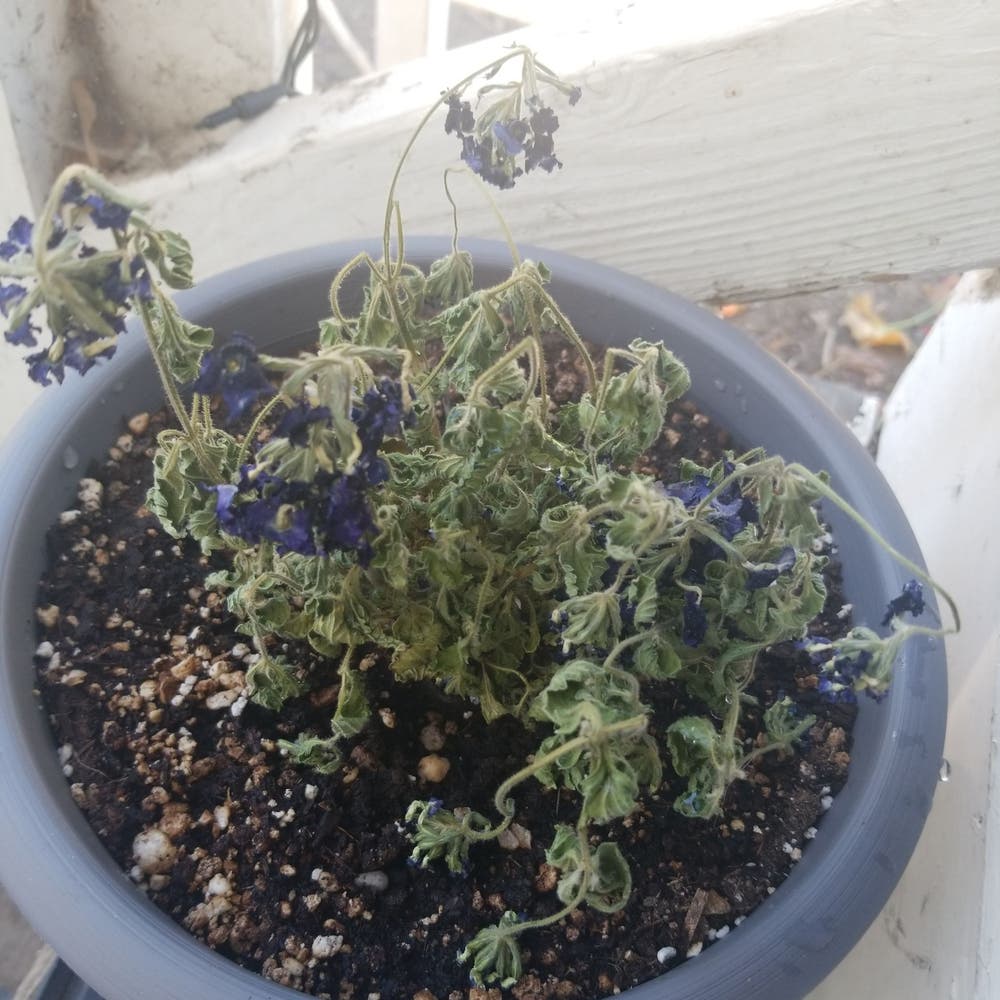
Verbena will tell you when it's had enough sun; you just need to watch for the tan lines. Leaves might look bleached, as if the color has been drained by an overzealous sun. If you spot white, yellow, or brown blotches, that's the plant's equivalent of peeling after a sunburn.
Crispy leaves? That's the plant crying out for some shade. Rotate your Verbena occasionally to prevent one side from getting all the heat. If your plant's leaves start to resemble a dried-up seaweed snack, it's time to dial back the sunlight. Remember, Verbena loves the sun, but nobody likes a sunburn.
⚠️ Safety First
This content is for general information and may contain errors, omissions, or outdated details. It is not medical, veterinary advice, or an endorsement of therapeutic claims.
Always consult a qualified healthcare professional before using any plant as food, medicine, or supplement.
Never eat any plant (or feed one to pets) without confirming its identity with at least two trusted sources.
If you suspect poisoning, call Poison Control (800) 222-1222, the Pet Poison Helpline (800) 213-6680, or your local emergency service immediately.
Spotted an error? Please report it here.
Let Greg craft a sun-savvy schedule 🌞 for your garden Verbena, ensuring it basks in just the right amount of light without the risk of a sunburn.