✂️ Cutting Back White Verbena Effectively
Verbena x hybrida
By the Greg Editorial Team
Oct 20, 2024•5 min read
This article was created with the help of AI so we can cover more plants for you. May contain errors. See one? Report it here.
Unlock vibrant blooms for your white verbena 🌼 with essential pruning tips and seasonal care strategies!
- 🌱 Prune white verbena in early spring for optimal growth and blooming.
- ✂️ Use sharp shears to ensure clean cuts and minimize plant damage.
- 🌼 Regular deadheading promotes vibrant blooms and extends the flowering season.
Best Time to Prune
Seasonal Timing 🌱
The best time to prune white verbena is early spring. This timing allows for rejuvenation just before new growth begins, setting the stage for a vibrant season ahead.
Late summer is another key period for maintenance pruning. This helps encourage continued blooming and keeps the plant looking its best.
Signs Indicating Pruning Time 🔍
Look for signs that indicate it's time to prune. New growth emerging is a clear signal that your verbena is ready for some attention.
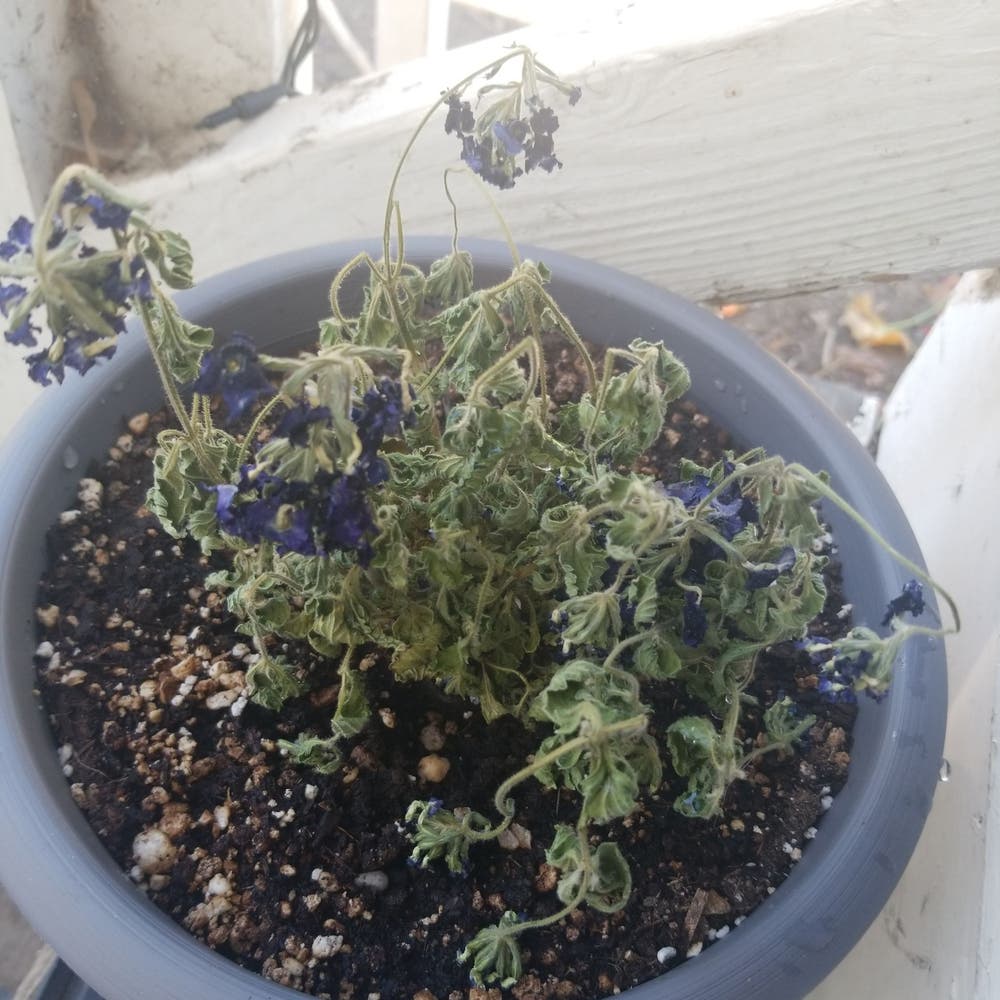
Additionally, faded or wilted flowers are a cue for deadheading and cutting back. Addressing these signs promptly will keep your plant healthy and thriving.
Tools Needed for Pruning
Essential Pruning Tools 🌿
To effectively prune your white verbena, having the right tools is crucial. Start with sharp pruning shears; they ensure clean cuts that minimize damage to the plant.
Next, don’t forget your garden gloves. They protect your hands from sharp stems and thorns, making the process safer and more comfortable.
Lastly, a rake or garden waste bag is essential for collecting cuttings. Keeping your workspace tidy not only looks better but also helps prevent disease.
Optional Tools 🛠️
While not mandatory, loppers can be a game-changer for thicker stems. They provide extra leverage, making it easier to tackle more robust growth.
A hand trowel can also come in handy for soil aeration around the base of the plant after pruning. This helps promote healthy root growth and prepares the plant for a vigorous recovery.
With the right tools in hand, you're set to tackle your pruning tasks effectively. Now, let’s dive into the step-by-step instructions for pruning your white verbena!
Step-by-Step Pruning Instructions
✂️ General Pruning Techniques
Pruning white verbena is straightforward and rewarding. Start by assessing the plant for any dead or damaged stems.
Next, cut back to healthy growth by trimming stems just above a leaf node. This encourages new growth and keeps your plant thriving.
Finally, shape the plant to maintain a balanced appearance. Focus on cutting back any uneven growth for a more uniform look.
🌱 Seasonal Pruning Steps
🌼 Spring Pruning
Spring is the perfect time to rejuvenate your verbena. Begin by removing all dead stems and foliage to make way for new growth.
Then, cut back healthy stems by one-third. This promotes bushiness and a fuller appearance.
Don’t forget to clean up any debris around the base. This helps prevent pests and diseases from taking hold.
☀️ Summer Maintenance Pruning
Summer maintenance is essential for continued blooming. Inspect your plant for spent flowers and dead foliage.
Trim back any leggy growth to encourage new blooms. This keeps your verbena looking fresh and vibrant.
Lastly, remove any diseased or damaged stems. This will help maintain the overall health of your plant.
🍂 Fall Preparation for Winter Dormancy
As fall approaches, it's time to prepare your verbena for winter. Cut back the plant to about 6 inches above the ground.
Clear away any fallen leaves or debris around the base. This prevents pests from overwintering and keeps your garden tidy.
With these steps, your white verbena will be ready to thrive in the coming seasons. Next, let’s explore the importance of deadheading to maximize your plant's blooming potential.
Deadheading
Importance and Process 🌸
Deadheading is the practice of removing spent flowers from your white verbena. This simple act prevents seed formation, allowing the plant to redirect its energy toward producing more vibrant blooms.
How to Deadhead ✂️
- Identify spent flowers: Look for wilted or brown blooms that detract from your plant's beauty.
- Use sharp shears: Cut the stem just above the first set of healthy leaves to encourage new growth.
- Dispose of cuttings: Clear away debris to prevent disease and keep your garden tidy.
Benefits of Deadheading 🌼
Deadheading extends the blooming season, ensuring your verbena continues to flourish. It also enhances the overall vigor and health of the plant, making it a win-win for any gardener.
Signs that Deadheading is Needed 🚨
Watch for flowers turning brown or wilting, as these are clear indicators that deadheading is necessary. Additionally, if you notice reduced flowering frequency or vigor, it’s time to take action.
By regularly deadheading your white verbena, you not only keep your garden looking its best but also promote a healthier, more robust plant. Next, let’s explore troubleshooting common pruning issues to ensure your verbena thrives year-round.
Troubleshooting Pruning Issues
Identifying Over-Pruned Plants 🌿
Over-pruning can lead to several distress signals from your white verbena. Look out for excessive leaf drop, stunted growth, or bare patches on the plant.
Signs of Stress After Pruning 😟
After pruning, your plant may show signs of stress. Common indicators include wilting leaves, yellowing foliage, or a noticeable slowdown in growth.
How to Revive a Stressed Plant 🌱
Reviving a stressed plant involves a few simple steps:
- Assess watering: Check that your plant isn't over or under-watered.
- Provide shade: Shield it from harsh sunlight until it recovers.
- Fertilize lightly: Use a diluted fertilizer solution to encourage new growth without overwhelming the plant.
By following these steps, you can help your white verbena bounce back and thrive again. Remember, a little care goes a long way in nurturing your plants back to health.
⚠️ Safety First
This content is for general information and may contain errors, omissions, or outdated details. It is not medical, veterinary advice, or an endorsement of therapeutic claims.
Always consult a qualified healthcare professional before using any plant as food, medicine, or supplement.
Never eat any plant (or feed one to pets) without confirming its identity with at least two trusted sources.
If you suspect poisoning, call Poison Control (800) 222-1222, the Pet Poison Helpline (800) 213-6680, or your local emergency service immediately.
Spotted an error? Please report it here.
Prune your white verbena for blooming brilliance 🌸 with Greg's tailored reminders and expert tips that keep your garden flourishing all season long!