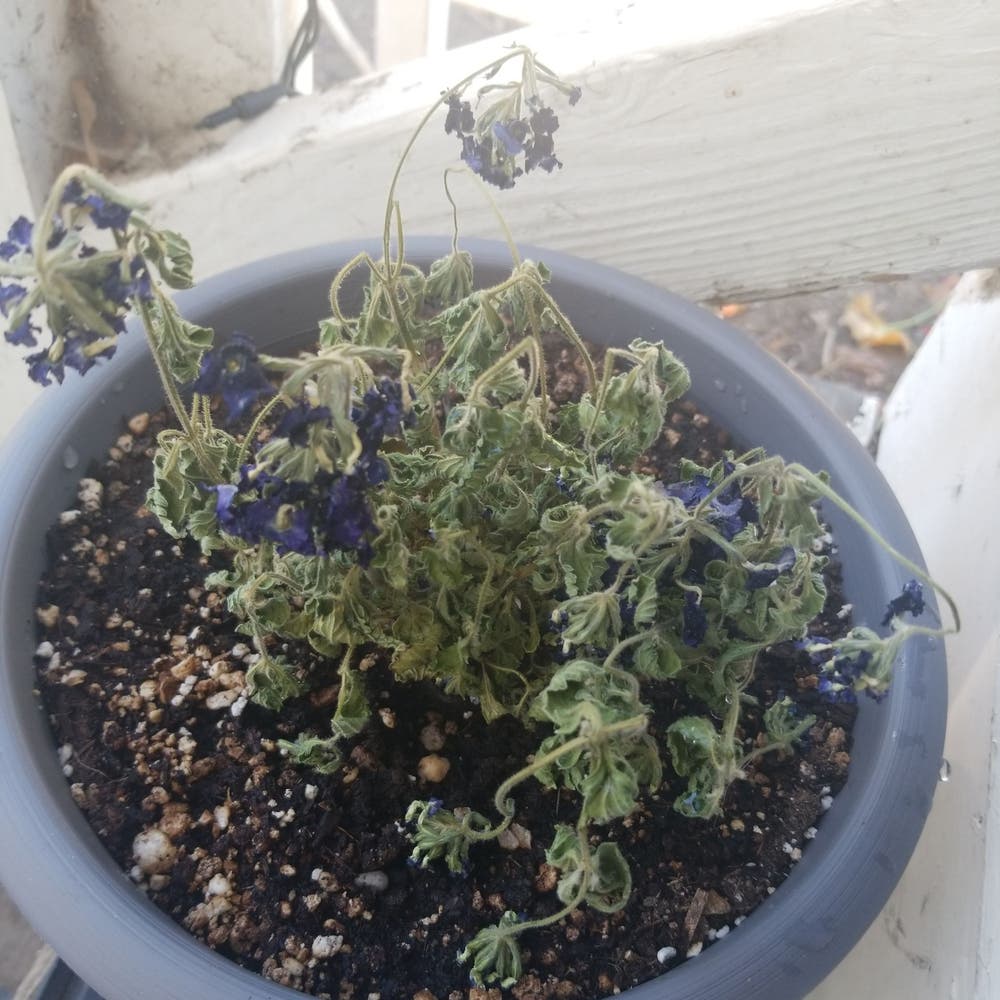
🌼 10 Easy Ways to Pollinate White Verbena
Verbena x hybrida
By the Greg Editorial Team
Oct 20, 2024•6 min read
This article was created with the help of AI so we can cover more plants for you. May contain errors. See one? Report it here.
Unlock the secret to a thriving garden by understanding how White Verbena attracts essential pollinators! 🌸
- 🐝🌸 White Verbena attracts bees, butterflies, and hummingbirds for effective pollination.
- 🌼 Cross-pollination is vital for reproduction, enhancing genetic diversity and adaptability.
- 🌿🌍 Create a pollinator-friendly garden with diverse plants to support these essential species.
Flower Structure
Description of Flower Anatomy 🌸
White Verbena features clusters of small, tubular flowers that typically bloom in shades of purple or white. These vibrant petals are complemented by green, leaf-like sepals that protect the flower bud until it's ready to open.
Key Flower Parts 🧬
- Stamens: The male reproductive parts that produce pollen.
- Pistils: The female reproductive parts that receive pollen.
How Flower Structure Facilitates Pollination 🐝
The unique shape and bright colors of White Verbena flowers attract specific pollinator species, making them irresistible to bees, butterflies, and hummingbirds.
Visibility and Accessibility 👀
Arranging flowers in clusters enhances their visibility and accessibility for pollinators, ensuring they can easily find and access the nectar.
Ideal Shape for Pollinators 🦋
The tubular shape of these flowers is particularly suited for certain pollinators, such as butterflies and hummingbirds, who have the specialized anatomy to extract nectar efficiently.
This intricate design not only supports the pollination process but also plays a crucial role in the plant's reproductive success. Understanding these elements sets the stage for exploring how pollination occurs and the vital role of various pollinators.
Pollination Process
Mechanisms of Cross-Pollination 🌼
Cross-pollination is vital for the reproduction of White Verbena. Key pollinator species include bees, butterflies, moths, and hummingbirds, each playing a unique role in this process.
Pollinators are attracted through various methods. The production of nectar, vibrant colors, and enticing scents draw them in, ensuring that the flowers get the attention they need for successful pollination.
Role of Cross-Pollinators 🦋
Each type of pollinator interacts with White Verbena in distinct ways.
Bees
Bees are the heavyweights of pollination. They collect both pollen and nectar, transferring pollen between flowers as they move from bloom to bloom.
Butterflies
Butterflies use their long proboscis to sip nectar. In doing so, they brush against the stamens, picking up pollen and facilitating its transfer to other flowers.
Moths
Moths, often active at night, are drawn to the sweet scent of White Verbena. Their nocturnal visits contribute to the plant's pollination, especially in low-light conditions.
Hummingbirds
Hummingbirds are remarkable for their hovering ability. As they feed on nectar, they also facilitate pollen transfer, making them essential for the plant's reproductive success.
Understanding these interactions not only highlights the importance of each pollinator but also emphasizes the need for a healthy ecosystem. As we explore the next section, we'll delve into natural pollination methods and their significance for genetic diversity.
Natural Pollination
🌬️ Pollen Transfer Mechanisms
Natural pollination primarily relies on wind and insect activity. These methods are essential for transferring pollen from the male parts of flowers to the female parts, ensuring successful reproduction.
Gravity also plays a subtle yet significant role in pollen movement within flower clusters. As pollen grains fall, they can easily land on nearby pistils, facilitating the pollination process.
🌱 Importance of Pollination for Reproduction and Genetic Diversity
Successful pollination is crucial for seed production, which is the foundation of plant reproduction. Each seed produced contributes to genetic variation, enhancing the adaptability of the species.
Cross-pollination, in particular, boosts resilience against pests and diseases. This genetic diversity helps plants thrive in changing environments, making them more robust and sustainable.
Understanding these mechanisms not only highlights the beauty of nature but also emphasizes the importance of protecting our pollinators. As we move forward, let’s explore how we can support these vital creatures in their essential roles.
Hand Pollination
Step-by-Step Instructions for Hand Pollination 🌼
Hand pollination can be a rewarding way to ensure your White Verbena thrives. Here’s how to do it effectively:
Identify Male and Female Flower Parts: Start by locating the stamens, which produce pollen, and the pistils, which receive it. This is crucial for successful pollination.
Collecting Pollen: Use a small brush or cotton swab to gently gather pollen from the stamens. Be gentle to avoid damaging the delicate flower parts.
Transferring Pollen: Carefully apply the collected pollen to the stigma of the pistil. This step is vital for fertilization.
Timing: Perform this process during peak blooming hours for maximum effectiveness. Pollination is most successful when flowers are fully open.
Identifying Male and Female Flower Parts 🔍
To distinguish between stamens and pistils, look for visual cues. Stamens are typically longer and more prominent, while pistils are usually located at the center of the flower.
Timing is also critical in the flowering cycle. Pollinating at the right moment can significantly enhance your chances of successful fertilization.
With these steps, you can help your White Verbena flourish and enjoy the beauty of its blooms. Next, let’s explore how to support pollinators in your garden!
Supporting Pollinators
🌼 Creating a Pollinator-Friendly Environment
To attract a variety of pollinators, consider planting diverse flowering species. This not only provides food sources but also creates a vibrant ecosystem that supports bees, butterflies, and hummingbirds.
Additionally, providing water sources and shelter is crucial. Simple features like birdbaths or small ponds can make a big difference, while native plants offer natural habitats for pollinators to thrive.
🌿 Companion Plants that Attract Beneficial Pollinators
Certain plants work wonders as companions for White Verbena. Consider adding Lavender, Echinacea, and Marigolds to your garden.
These plants not only attract beneficial pollinators but also enhance overall pollinator activity. By creating a diverse garden, you foster a lively environment that supports the delicate balance of nature.
Incorporating these strategies will ensure your garden becomes a haven for pollinators, paving the way for successful pollination and a flourishing ecosystem.
Pollination Challenges
Common Obstacles to Successful Pollination 🐝
Pollination can be a tricky business, especially when environmental factors come into play. Temperature fluctuations, high humidity, and drought can all hinder the delicate process of transferring pollen.
Urban areas often exacerbate these challenges. The lack of diverse pollinator species in heavily cultivated regions can leave flowers like White Verbena without the necessary visitors for effective pollination.
Solutions for Overcoming Environmental Challenges 🌼
Improving pollinator habitats is crucial. Consider planting native gardens that provide food and shelter, creating a welcoming environment for bees, butterflies, and other essential pollinators.
Timing is also key. Planting your flowers to coincide with peak pollinator activity seasons can significantly enhance your chances of successful pollination. By taking these steps, you can help ensure that your White Verbena thrives and contributes to the ecosystem.
With a little effort, you can create a flourishing garden that supports both your plants and the pollinators they rely on.
⚠️ Safety First
This content is for general information and may contain errors, omissions, or outdated details. It is not medical, veterinary advice, or an endorsement of therapeutic claims.
Always consult a qualified healthcare professional before using any plant as food, medicine, or supplement.
Never eat any plant (or feed one to pets) without confirming its identity with at least two trusted sources.
If you suspect poisoning, call Poison Control (800) 222-1222, the Pet Poison Helpline (800) 213-6680, or your local emergency service immediately.
Spotted an error? Please report it here.
Boost your White Verbena's pollination success 🌸 by using Greg's tailored tips to create a pollinator-friendly garden that attracts bees, butterflies, and hummingbirds!