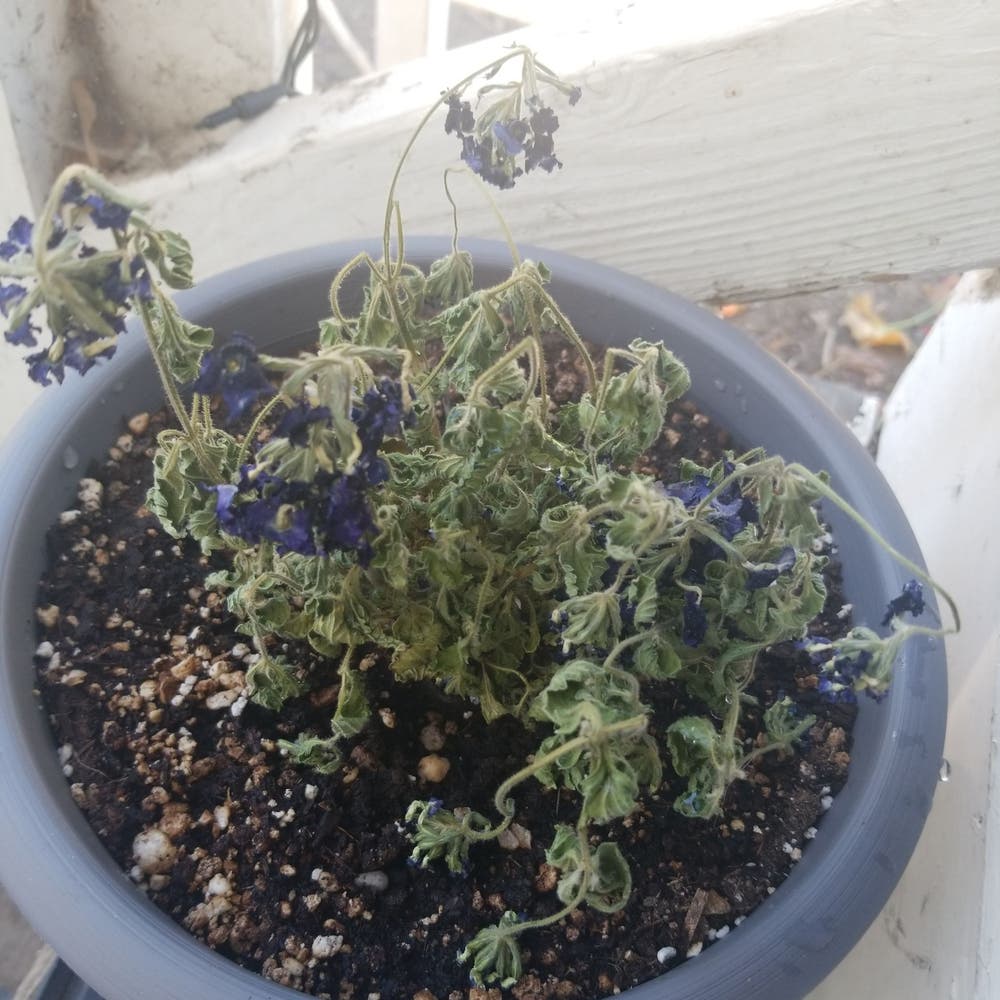
🌸 Pink Verbena: A Comprehensive Overview
Verbena x hybrida
By the Greg Editorial Team
Jan 28, 2025•11 min read
This article was created with the help of AI so we can cover more plants for you. May contain errors. See one? Report it here.
Elevate your garden with pink verbena 🌸, a vibrant, low-maintenance plant that attracts pollinators and thrives effortlessly! 🌱
- 🌞 Pink verbena needs 6-8 hours of sunlight daily for optimal growth.
- 🌱 Well-draining soil with pH 6.0-7.0 is ideal for healthy pink verbena.
- 🐝 Attracts pollinators like bees and butterflies, enhancing garden biodiversity.
How to Grow
🌞 Choosing a Location
To thrive, pink verbena needs full sun, requiring about 6-8 hours of sunlight daily. When selecting a spot, ensure there's enough space for the plants to spread and good airflow to prevent diseases.
🌱 Soil Preparation
Pink verbena prefers well-draining, fertile soil to flourish. Aim for a soil pH between 6.0 and 7.0, which is slightly acidic to neutral, to create the best growing conditions.
🌿 Planting Techniques
When planting, seeds should be sown at a depth of 1/4 inch, while cuttings need to be placed 2-3 inches deep. Space your plants 12-18 inches apart to promote optimal growth and airflow.
💧 Watering Requirements
Water your pink verbena when the top inch of soil feels dry to the touch. Deep watering is essential to encourage strong root development, helping the plant withstand dry spells.
🌼 Fertilizing
Use a balanced fertilizer with an NPK ratio of 10-10-10 for best results. Apply it every 4-6 weeks during the growing season to keep your plants healthy and vibrant.
✂️ Pruning and Deadheading
Prune your verbena in late winter or early spring to encourage new growth. Deadheading, or removing spent flowers, will promote more blooms throughout the season.
🔍 Ongoing Care
Regularly check your plants for pests and diseases to catch any issues early. In cooler climates, consider mulching in winter to protect your plants from harsh conditions.
With these guidelines, you'll be well on your way to cultivating a thriving pink verbena garden. Next, let’s explore how to propagate this beautiful plant for even more blooms!
Propagation
🌱 Seed Propagation
To start your pink verbena from seeds, sow them indoors about 8-10 weeks before the last frost. For optimal germination, keep the temperature around 70°F (21°C) to create a cozy environment for your seeds.
✂️ Cutting Propagation
If you prefer cuttings, choose healthy stems that are 4-6 inches long. For rooting, place these cuttings in a moist potting mix and cover them with plastic to maintain humidity, ensuring they have the best chance to thrive.
Propagation is a rewarding way to expand your garden with vibrant pink verbena. Whether you opt for seeds or cuttings, both methods can lead to a flourishing display of color in your outdoor space.
Lifecycle
🌱 Lifecycle Stages
The lifecycle of Pink Verbena unfolds in distinct stages: seed germination, seedling stage, vegetative growth, flowering, and seed production. Each phase is crucial for the plant's development and overall health.
⏳ Germination Time
Germination typically takes between 7 to 14 days. This is the exciting moment when your seeds begin to sprout and show signs of life.
📅 Growth Timeline
After germination, Pink Verbena usually reaches maturity in about 12 to 16 weeks. This timeline can vary based on environmental factors, but patience pays off with vibrant blooms.
🌼 Lifespan
In warmer climates, Pink Verbena is generally a perennial, returning year after year. However, in cooler regions, it behaves like an annual, completing its lifecycle in a single growing season.
Understanding the lifecycle of Pink Verbena helps you provide the right care at each stage. This knowledge sets the foundation for a thriving garden, ensuring your plants flourish beautifully.
Next, we’ll explore the size of Pink Verbena, including its mature height and spread.
Size
Mature Height and Spread 🌱
Pink verbena is a stunning addition to any garden, typically reaching heights of 2 to 4 feet and spreading 1 to 3 feet wide. This moderate size makes it versatile for borders, containers, or as a focal point in your landscape.
Growth Rate and Factors Affecting Size 📈
The growth rate of pink verbena is moderate, meaning it won't take over your garden overnight. However, several factors can influence its size, including soil quality, sunlight exposure, and watering practices.
- Soil Quality: Well-draining, fertile soil encourages robust growth.
- Sunlight: Full sun (6-8 hours daily) is essential for optimal size and health.
- Watering: Consistent, deep watering promotes strong root development, which supports overall plant size.
Understanding these elements will help you cultivate a thriving pink verbena that enhances your garden's beauty. As you plan your planting, consider how these factors interplay to achieve the best results.
Next, let’s explore the fascinating lifecycle of pink verbena and how it progresses from seed to bloom.
Roots
Characteristics of the Root System 🌱
Pink Verbena features a fibrous root system that enhances its drought tolerance. This type of root structure allows the plant to absorb moisture efficiently, making it resilient in varying conditions.
Root Depth and Spread 📏
Typically, the roots of Pink Verbena grow to a depth of 12-18 inches. They can also extend outward significantly, providing stability and support for the plant as it matures.
Common Root-Related Issues ⚠️
One common issue is root rot, which occurs due to overwatering. Symptoms include wilting and yellowing leaves, signaling that the roots are struggling.
Another problem is becoming rootbound, where the roots circle around the pot, leading to stunted growth. Signs of this include a lack of new growth and roots visibly pushing against the pot's sides.
Understanding these root characteristics and potential issues is essential for maintaining healthy Pink Verbena plants. With proper care, you can ensure they thrive and contribute beautifully to your garden.
Next, let’s explore the benefits of growing Pink Verbena and why it’s a fantastic addition to any garden.
Benefits
Top 5 Benefits of Pink Verbena 🌸
1. Attracts Pollinators
Pink verbena is a magnet for pollinators like bees and butterflies. This not only enhances the beauty of your garden but also supports essential biodiversity.
2. Drought-Tolerant
Once established, pink verbena is remarkably drought-tolerant. This means less frequent watering, making it a low-maintenance choice for busy gardeners.
3. Long Blooming Period
Enjoy vibrant blooms from spring through fall. The extended flowering period ensures your garden remains colorful and lively for months.
4. Versatile in Garden Design
Pink verbena fits seamlessly into various garden designs. Whether in borders, containers, or hanging baskets, it adds charm and versatility.
5. Medicinal Uses
Historically, pink verbena has been used for its medicinal properties. It’s been associated with various health benefits, making it not just a pretty plant but a useful one too.
Pink verbena offers a wealth of benefits that make it a fantastic addition to any garden. Its ability to attract pollinators and thrive in diverse conditions ensures that it remains a favorite among gardeners. Next, let’s explore the best companion plants that can enhance your pink verbena experience.
Companion Plants
🌱 Explanation of Companion Planting Benefits
Companion planting is a fantastic way to enhance your garden's diversity while managing pests naturally. By strategically placing plants together, you can create a thriving ecosystem that supports growth and deters unwanted visitors.
🌼 Best Companion Plants
When it comes to pink verbena, consider pairing it with:
Lavender
Lavender shares similar care needs with pink verbena and attracts beneficial insects like bees and butterflies. This aromatic plant not only enhances your garden's beauty but also promotes pollination.
Marigolds
Marigolds are another excellent choice. Their vibrant colors brighten up any garden, and they possess pest-repellent properties that can help keep harmful insects at bay.
🚫 Plants to Avoid
While companion planting can be beneficial, it's essential to avoid certain plants. Steer clear of those with high water needs, as they can lead to overwatering issues for your pink verbena.
By choosing the right companions, you can create a flourishing garden that thrives together. Next, let's explore the toxicity of pink verbena to humans and pets, ensuring a safe gardening experience for everyone.
Toxicity to Humans
Safety of Pink Verbena for Humans 🌸
Pink Verbena is considered non-toxic and is not listed as harmful by major poison control centers. This means you can enjoy its beauty without worrying about serious health risks.
Potential Minor Issues ⚠️
While generally safe, some individuals may experience minor skin irritation with excessive contact. Digestive discomfort is rare, even if large quantities are consumed, but it's always wise to be cautious.
Caution 🚨
Always exercise caution with any plant. If you notice unusual symptoms after contact or consumption, seek medical advice to ensure your safety.
This knowledge allows you to appreciate Pink Verbena while keeping health considerations in mind. Next, let’s explore its safety for our furry friends!
Toxicity to Dogs
Safety of Pink Verbena for Dogs 🐶
Pink verbena is considered non-toxic to dogs, meaning it won't cause serious harm if ingested. Veterinary organizations do not list it as a toxic plant, so you can breathe a sigh of relief if your furry friend takes a nibble.
Potential Minor Issues ⚠️
While generally safe, excessive consumption of pink verbena can lead to mild gastrointestinal upset. Symptoms might include a bit of stomach discomfort or an upset tummy, but these are usually not severe.
Tips for Dog Owners 🐾
To ensure your dog's safety, consider the placement of your pink verbena plants. Monitor your pet's behavior around new plants, especially if they tend to chew on greenery. Keeping an eye on them can help prevent any minor issues from escalating.
In summary, pink verbena is a safe choice for dog owners looking to enhance their gardens. With a little caution and awareness, you can enjoy the beauty of this plant without worry. Next, let’s explore its safety for our feline friends!
Toxicity to Cats
Safety of Pink Verbena for Cats 🐱
Pink verbena is considered safe for cats. It is not listed as toxic by major pet poison control centers, so you can breathe easy if your feline friend decides to explore your garden.
However, while the plant is non-toxic, excessive consumption might lead to minor gastrointestinal upset. It's always a good idea to monitor your cat's behavior around new plants to ensure they don't overindulge.
Tips for Cat Owners 📝
To keep your cat safe, consider the following tips:
- Proper Placement: Position pink verbena in areas where your cat can't easily access them, especially if they are prone to nibbling on plants.
- Monitoring Behavior: Keep an eye on your cat's interactions with the plant. If you notice any unusual behavior, it might be best to relocate the plant.
With these precautions, you can enjoy the beauty of pink verbena in your garden without worrying about your furry companions.
As we explore further, let’s dive into the potential problems that can arise when growing this vibrant plant.
Problems
Common Problems Faced When Growing 🌱
Growing Pink Verbena can be rewarding, but it comes with its share of challenges. Here are some common problems to watch out for:
Incorrect Watering: Overwatering or underwatering can lead to wilting or yellowing leaves. Always check the soil moisture before watering to ensure your plants thrive.
Incorrect Light Conditions: Pink Verbena loves full sun, but inadequate light can cause leggy growth or scorched leaves. Make sure to place your plants where they can soak up at least 6-8 hours of sunlight daily.
Diseases: Fungal issues like powdery mildew and rust can affect your plants, especially in humid conditions. Keep an eye out for white powdery spots or rust-colored patches on leaves.
Root Problems: Root rot is a common issue caused by overwatering, leading to squishy roots. Ensure your soil drains well to prevent this problem.
Leaf Issues: Scorching, yellowing, or fuzzy growth can indicate stress in your plants. Regularly inspect your verbena for these signs to address any underlying issues promptly.
By staying vigilant and addressing these problems early, you can enjoy a flourishing Pink Verbena garden. Next, let’s explore the fascinating world of pests that might invade your plants.
Bugs
🐜 Potential Pest Issues
Pink verbena can attract a few pesky pests that may disrupt its growth.
- Spider mites are a common issue; look for webbing and stippled leaves as telltale signs.
- Aphids often appear in clusters on new growth, sucking the sap and weakening the plant.
🔍 Identification and Damage
Identifying damage early is crucial for maintaining healthy plants.
Yellowing leaves, stunted growth, and reduced blooms are all indicators that your pink verbena may be under attack.
💪 Effective Treatment Options
Fortunately, there are effective treatments to combat these pests.
- Neem oil serves as a natural pesticide, tackling various pests without harming beneficial insects.
- Insecticidal soap is another option, particularly effective against soft-bodied insects like aphids.
By staying vigilant and employing these treatments, you can keep your pink verbena thriving and beautiful.
Next, let’s explore what animals might be munching on your plants and how to deter them effectively.
What Eats Pink Verbena
🦌 Common Animals That May Damage
Pink verbena can attract a few hungry visitors. Deer are notorious for munching on these plants, leaving behind chewed leaves and broken stems.
Rabbits also enjoy a nibble, often resulting in clean cuts on the stems and leaves. Keeping an eye out for these signs can help you protect your verbena.
🐿️ Signs of Animal Presence
You might notice signs of squirrel activity as well. Disturbed soil and missing flowers can indicate that these little critters have been digging around your garden.
Being vigilant about these signs can help you take action before significant damage occurs.
🚫 Deterrent Methods
To keep these animals at bay, consider using chemical repellents. Commercial deer and rabbit deterrents can effectively discourage them from feasting on your plants.
Alternatively, you can opt for organic solutions. Planting strong-smelling herbs nearby can create a natural barrier that helps repel these pests.
With a little effort, you can safeguard your pink verbena and enjoy its beauty without unwelcome visitors!
⚠️ Safety First
This content is for general information and may contain errors, omissions, or outdated details. It is not medical, veterinary advice, or an endorsement of therapeutic claims.
Always consult a qualified healthcare professional before using any plant as food, medicine, or supplement.
Never eat any plant (or feed one to pets) without confirming its identity with at least two trusted sources.
If you suspect poisoning, call Poison Control (800) 222-1222, the Pet Poison Helpline (800) 213-6680, or your local emergency service immediately.
Spotted an error? Please report it here.
Transform your garden with thriving pink verbena 🌸 by using Greg's tailored care reminders for sunlight, watering, and fertilization to keep your blooms vibrant all season long!