🌞 Understanding Why Your White Verbena Has Yellow Leaves
Verbena x hybrida
By the Greg Editorial Team
Oct 20, 2024•5 min read
This article was created with the help of AI so we can cover more plants for you. May contain errors. See one? Report it here.
Restore your White Verbena's vibrance 🌼 by quickly diagnosing and treating yellow leaves for a thriving garden!
- 🌱 Yellow leaves indicate nutrient deficiencies, especially nitrogen and iron.
- 💧 Overwatering and underwatering both lead to yellowing; balance is crucial.
- 🐛 Pests and diseases like aphids and mildew can cause yellow leaves; inspect regularly.
Causes of Yellow Leaves
🌱 Nutrient Deficiencies
Nitrogen Deficiency
Yellowing of older leaves and stunted growth are clear signs of nitrogen deficiency. This nutrient is crucial for chlorophyll production, which keeps your White Verbena vibrant and healthy.
Iron Chlorosis
If you notice yellowing between leaf veins while the veins themselves remain green, your plant may be suffering from iron chlorosis. Iron is essential for photosynthesis, and deficiencies often arise in alkaline soils.
💧 Watering Issues
Overwatering Symptoms
Yellowing leaves, wilting, and root rot indicate that your Verbena might be overwatered. Poor soil drainage and excessive watering frequency are common culprits.
Underwatering Symptoms
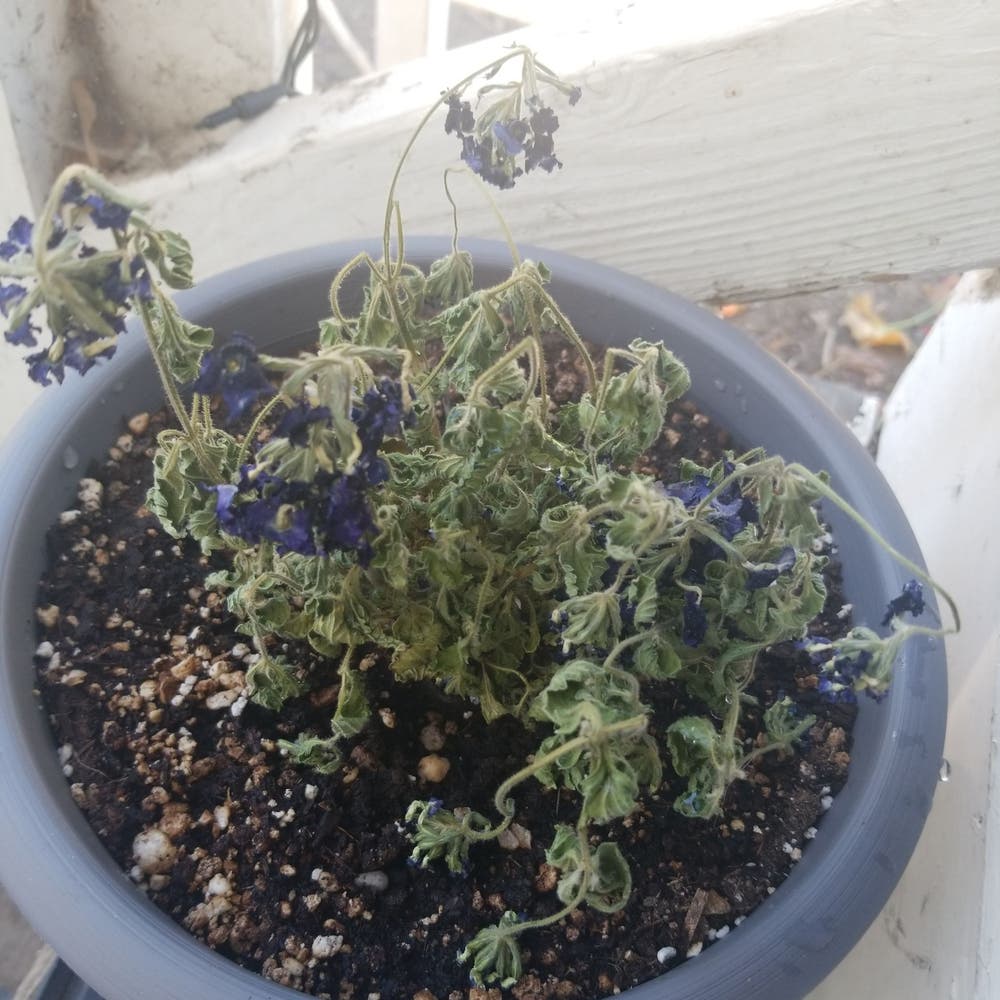
On the flip side, dry, crispy leaves and drooping can signal underwatering. This often happens due to infrequent watering or high temperatures that lead to rapid moisture loss.
🐛 Pest Infestations
Common Pests Affecting Verbena
Aphids and spider mites are two pests that can wreak havoc on your Verbena. Aphids are small, green insects that suck sap from leaves, while spider mites create fine webbing that can suffocate your plants.
Signs of Pest Damage
Look for yellowing leaves, distorted growth, and sticky residue on leaves as signs of pest damage. Early detection is key to managing these infestations effectively.
🍄 Fungal Diseases
Common Fungal Issues
Powdery mildew, characterized by white, powdery spots on leaves, and root rot, often caused by overwatering, can lead to yellowing and wilting. Both issues can severely affect your plant's health.
Prevention and Treatment
To combat fungal diseases, use fungicides and improve air circulation around your plants. Ensuring proper watering practices is also essential to prevent these issues from arising.
Understanding these causes is the first step in restoring your White Verbena's health. Next, we'll explore how to diagnose yellow leaves effectively.
Diagnosing Yellow Leaves
🌈 Visual Symptoms to Look For
When your White Verbena starts showing yellow leaves, pay attention to the color changes. Look for distinct yellowing patterns and any leaf drop that may indicate underlying issues.
Leaf texture is another critical factor. If the leaves feel crispy or soft, it could signal water stress, either from over or underwatering.
💧 How to Assess Soil Moisture
Assessing soil moisture is essential for your plant's health. Use the finger test by inserting your finger 1-2 inches into the soil to check for moisture.
The ideal moisture level is crucial; the soil should feel moist but not soggy. This balance helps prevent root rot while ensuring your Verbena thrives.
🐛 Identifying Pest Presence
Pests can wreak havoc on your plants, so regular inspection is vital. Look for visible pests, webbing, or sticky residue on the leaves, which can indicate an infestation.
For a closer look, use a magnifying glass. This tool helps you spot tiny pests that may otherwise go unnoticed.
🦠 Recognizing Signs of Disease
Discoloration, wilting, and unusual growth patterns are key symptoms of disease. Early detection is crucial for effective treatment, so keep an eye out for these signs.
Understanding these symptoms can empower you to take action before the problem escalates. Your proactive approach can make all the difference in keeping your Verbena healthy.
With these diagnostic tips, you’re well-equipped to identify issues early on. Next, let’s explore effective treatment and prevention strategies to keep your White Verbena flourishing.
Treatment and Prevention
🌊 Adjusting Watering Practices
Proper watering is crucial for the health of your White Verbena.
How to Properly Water
- Check soil moisture before watering: Stick your finger into the soil about 1-2 inches. If it feels dry, it’s time to water.
- Water deeply but infrequently: This encourages strong root growth. Aim for a thorough soak rather than light, frequent watering.
- Ensure excess water drains away: Good drainage prevents root rot, which can lead to yellow leaves.
🌱 Fertilization Tips
Fertilization helps your Verbena thrive and maintain vibrant foliage.
Recommended Fertilizers
- Type: Use a balanced NPK fertilizer like 10-10-10 or organic options such as compost.
- Application frequency: Fertilize every 4-6 weeks during the growing season for optimal results.
🐛 Pest Control Methods
Pests can wreak havoc on your plants, so proactive measures are essential.
Organic and Chemical Options
- Organic: Consider using neem oil or insecticidal soap. Introducing beneficial insects can also help keep pests at bay.
- Chemical: For severe infestations, systemic insecticides may be necessary.
Application Techniques
Always spray directly on affected areas. Follow label instructions carefully to ensure safety and effectiveness.
🦠 Disease Management
Fungal infections can be detrimental, but early intervention can save your plants.
Treatment Options for Fungal Infections
- Use of fungicides: Apply at the first sign of disease to prevent further spread.
- Cultural practices: Improve air circulation around your plants and avoid overhead watering to reduce humidity.
🌞 Environmental Adjustments
Creating the right environment is key to keeping your White Verbena healthy.
Optimizing Light and Temperature Conditions
- Placement: Ensure your Verbena receives full sun exposure for at least 6 hours a day.
- Temperature control: Use mulch to help regulate soil temperature and moisture levels, creating a stable environment for growth.
With these treatment and prevention strategies, your White Verbena can flourish, showcasing its beautiful foliage. Next, let’s dive into diagnosing yellow leaves to better understand what might be going wrong.
⚠️ Safety First
This content is for general information and may contain errors, omissions, or outdated details. It is not medical, veterinary advice, or an endorsement of therapeutic claims.
Always consult a qualified healthcare professional before using any plant as food, medicine, or supplement.
Never eat any plant (or feed one to pets) without confirming its identity with at least two trusted sources.
If you suspect poisoning, call Poison Control (800) 222-1222, the Pet Poison Helpline (800) 213-6680, or your local emergency service immediately.
Spotted an error? Please report it here.
Revitalize your White Verbena and banish yellow leaves 🌼 with Greg's tailored care reminders that help you tackle nutrient needs, watering balance, and pest control effortlessly!