🌼 Step-by-Step Guide to Fertilizing White Verbena
Verbena x hybrida
By the Greg Editorial Team
Oct 20, 2024•5 min read
This article was created with the help of AI so we can cover more plants for you. May contain errors. See one? Report it here.
Transform your white verbena into a blooming masterpiece 🌼 with expert fertilization tips for vibrant growth!
- 🌱 Choose between organic and synthetic fertilizers for optimal white verbena growth.
- 📅 Fertilize in early spring and mid-summer for vibrant blooms and healthy plants.
- ⚖️ Avoid over-fertilization by measuring accurately and conducting soil tests regularly.
Types of Fertilizers
🌱 Organic vs. Synthetic
When it comes to fertilizing your white verbena, understanding the difference between organic and synthetic fertilizers is crucial. Organic fertilizers are derived from natural sources, enhancing soil health and promoting sustainability. They enrich the soil with beneficial microorganisms, creating a thriving ecosystem.
On the other hand, synthetic fertilizers are chemically formulated to provide immediate nutrient availability. While they can boost plant growth quickly, they may negatively impact soil health over time if used excessively. Choosing the right type depends on your gardening philosophy and the specific needs of your plants.
🥦 Recommended Fertilizers
For optimal growth, a balanced NPK fertilizer is your best bet. Look for options like 10-10-10 or 5-10-5, which provide a well-rounded nutrient profile.
If you prefer organic options, consider using compost, well-rotted manure, or fish emulsion. These not only nourish your plants but also improve soil structure.
For quick nutrient uptake, liquid fertilizers are effective. These water-soluble options can be applied directly to the soil or foliage.
Alternatively, slow-release granular fertilizers are excellent for long-term feeding, releasing nutrients gradually over time. This method reduces the risk of over-fertilization and keeps your verbena thriving.
By selecting the right fertilizer, you set the stage for vibrant blooms and healthy growth. Next, let’s explore the best fertilization schedule to keep your white verbena flourishing throughout the seasons.
Fertilization Schedule
When to Fertilize 🌱
Timing is everything when it comes to fertilizing white verbena. Start with an application in early spring, just as new growth begins to emerge. This initial boost sets the stage for a vibrant growing season.
Mid-summer is your next key window. A second application during this time supports blooming, ensuring your verbena stays lush and colorful throughout the warmer months.
Frequency of Fertilization 📅
During the growing season, which spans from spring to early fall, aim to fertilize monthly. This regular feeding helps maintain healthy growth and abundant flowers.
As temperatures cool and the plant enters dormancy, reduce the frequency of fertilization. This adjustment allows the plant to rest and conserve energy, promoting overall health for the next growing cycle.
With a solid fertilization schedule in place, your white verbena will thrive beautifully. Next, let’s explore the practical steps for how to fertilize effectively.
How to Fertilize
Step-by-Step Process 🌱
Choose the Right Fertilizer
Start by selecting a fertilizer type that matches your white verbena's growth stage and soil condition. This ensures your plants receive the nutrients they need.Measure the Fertilizer
Carefully measure the correct amount of fertilizer as per the package instructions. Accurate measurement prevents over-fertilization, which can harm your plants.Water Before Application
Thoroughly water the plant before applying fertilizer. This step helps prevent root burn, ensuring your plants stay healthy.Apply Fertilizer Evenly
Spread the fertilizer evenly around the base of the plant, steering clear of direct contact with the stems. This promotes even nutrient distribution.Water Again Lightly
After application, water the area lightly to help the fertilizer penetrate the soil. This step enhances nutrient absorption, giving your plants a boost.
Application Methods 🌿
Granular Fertilizers
For granular fertilizers, spread them evenly around the plant and then water in. This method allows the nutrients to dissolve and reach the roots effectively.
Liquid Fertilizers
When using liquid fertilizers, dilute them according to the instructions. Apply directly to the soil or foliage for quick nutrient uptake, ensuring your plants thrive.
By following these steps, you can effectively fertilize your white verbena, promoting vibrant blooms and healthy growth. Next, let’s explore how to avoid common pitfalls in fertilization.
Avoiding Over-Fertilization
🌱 Symptoms of Over-Fertilization
Over-fertilization can lead to several telltale signs in your white verbena. You might notice excessive foliage growth with few blooms, which is frustrating for any gardener.
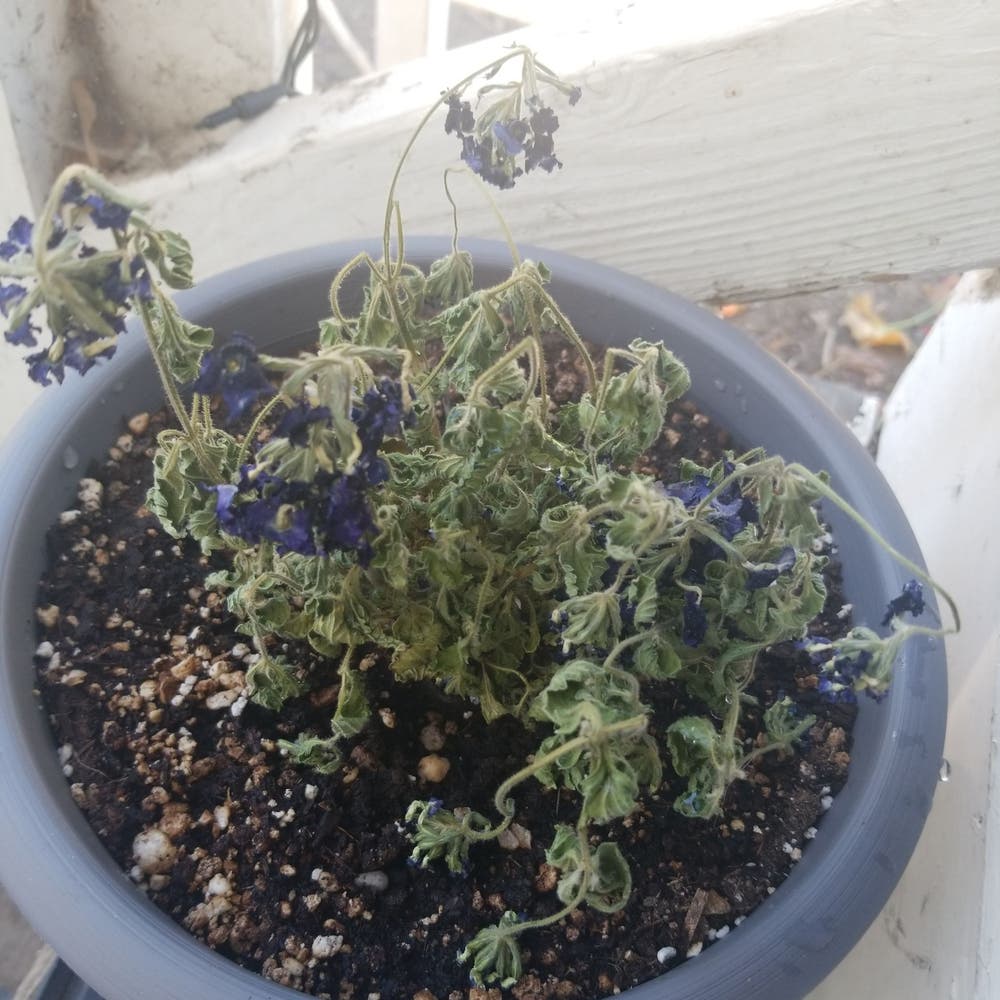
Another common symptom is leaf burn, where the tips of the leaves turn brown. If your plants are wilting or drooping despite regular watering, that’s another red flag indicating too much fertilizer.
⚙️ Correction Methods
If you suspect over-fertilization, start by flushing the soil with water. This helps dilute the excess nutrients that have built up.
Next, allow your plant to recover by withholding fertilizer for several weeks. This break gives your verbena a chance to stabilize.
Finally, keep a close eye on your plant's health. Adjust your fertilization practices based on its response to ensure it thrives moving forward.
By being attentive and responsive, you can help your white verbena flourish beautifully.
Common Mistakes
Over-Fertilizing 🌱
One of the most common pitfalls in fertilizing white verbena is over-fertilizing. Applying too much fertilizer can lead to excessive foliage growth, leaving you with lush green plants but few blooms.
Ignoring Soil Tests 🧪
Another mistake is ignoring soil tests. Without assessing soil nutrient levels, you risk imbalanced fertilization, which can hinder your plants' overall health and flowering potential.
Fertilizing During Dormancy 💤
Fertilizing during dormancy is a critical error. Applying fertilizer when the plant is not actively growing can harm the roots and disrupt their natural rest cycle.
Conclusion
By avoiding these common mistakes, you can ensure your white verbena thrives beautifully. Next, let’s explore how to effectively fertilize your plants for optimal growth and blooming.
⚠️ Safety First
This content is for general information and may contain errors, omissions, or outdated details. It is not medical, veterinary advice, or an endorsement of therapeutic claims.
Always consult a qualified healthcare professional before using any plant as food, medicine, or supplement.
Never eat any plant (or feed one to pets) without confirming its identity with at least two trusted sources.
If you suspect poisoning, call Poison Control (800) 222-1222, the Pet Poison Helpline (800) 213-6680, or your local emergency service immediately.
Spotted an error? Please report it here.
Transform your white verbena into a blooming beauty 🌼 with Greg's personalized fertilization reminders and expert tips that keep your plants thriving all season long!