☀️ Good Temperature Range for Your White Verbena
Verbena x hybrida
By the Greg Editorial Team
Oct 20, 2024•4 min read
This article was created with the help of AI so we can cover more plants for you. May contain errors. See one? Report it here.
Unlock vibrant blooms and robust growth for your white verbena by mastering temperature management! 🌱
- ❄️ White verbena suffers below 32°F (0°C); protect it from cold damage.
- 🌡️ Ideal temperatures are 60°F to 80°F (15°C to 27°C) for optimal growth.
- 🌞 Heat stress occurs above 95°F (35°C); provide shade and consistent watering.
Temperature Tolerance Limits
❄️ Cold and Heat Tolerance
White verbena is particularly sensitive to cold. Damage can occur when temperatures dip below 32°F (0°C), making frost a serious threat to its health.
On the flip side, this resilient plant can handle heat well. With proper care, it can thrive in temperatures up to 95°F (35°C).
🌱 Importance of Well-Drained Soil
Well-drained soil plays a crucial role in temperature management. It helps moderate extremes, preventing roots from sitting in cold or hot conditions that could stress the plant.
By ensuring your verbena has the right soil, you set the stage for a thriving garden. This simple step can make all the difference in maintaining its health and vibrancy.
As you consider the temperature needs of your white verbena, keep an eye on the signs of stress that may arise. Understanding these signals will help you provide the best care possible.
Signs of Temperature Stress
Identifying Stress Symptoms 🌡️
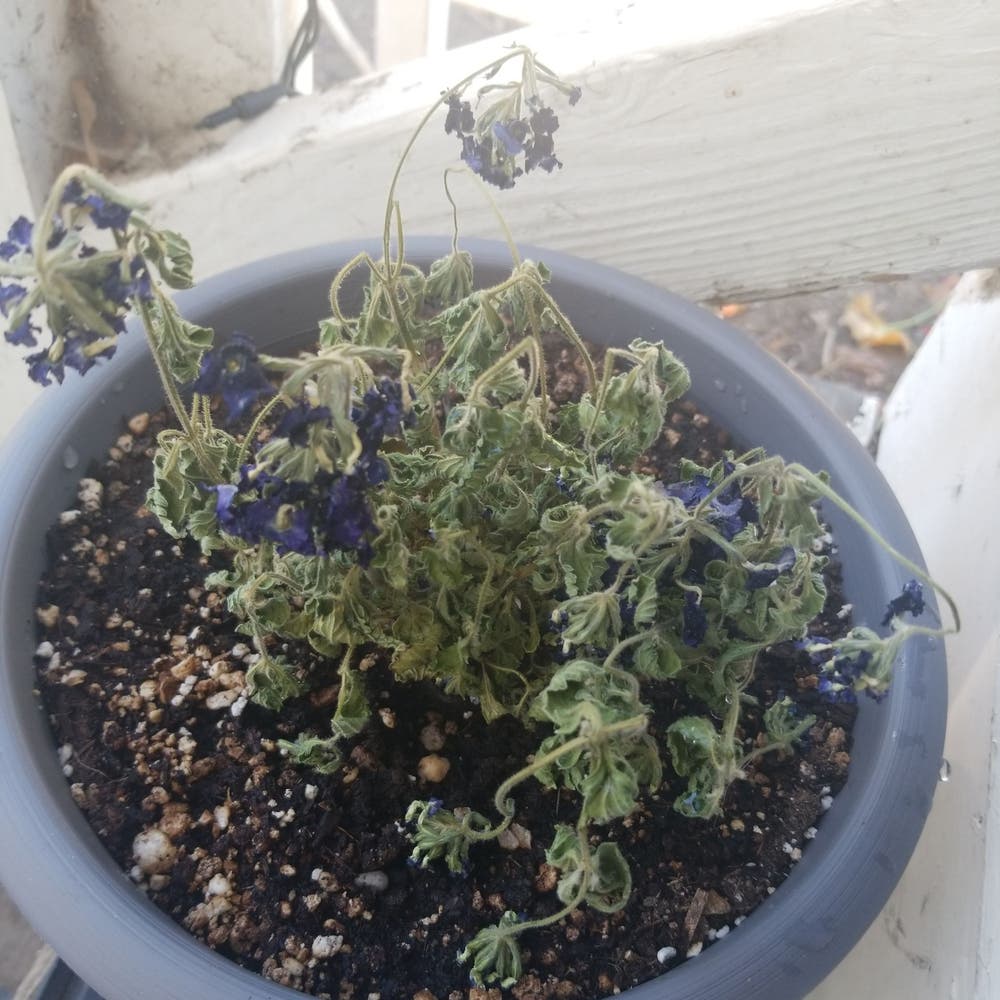
Temperature stress can manifest in several noticeable ways. One of the first signs is wilting or drooping leaves, which often indicates heat stress.
Leaf Discoloration 🍂
Another symptom to watch for is leaf discoloration. If you notice yellowing or browning edges, it’s likely a response to cold stress.
Reduced Flowering 🌼
Reduced flowering is also a common indicator. During temperature extremes, your white verbena may produce fewer blooms, which can be disheartening.
Stunted Growth 📉
Lastly, keep an eye out for stunted growth. This overall decline in plant vigor signals that your verbena is struggling to cope with its environment.
Recognizing these signs early can help you take action to protect your plant. Understanding temperature stress is crucial for maintaining a healthy, vibrant garden.
Causes of Temperature Stress
🌡️ Factors Leading to Stress
Temperature stress in white verbena can stem from several key factors.
Sudden Temperature Fluctuations
Rapid changes in temperature can shock your plant, making it difficult for it to adapt. This shock often manifests as wilting or drooping leaves, signaling that your verbena is struggling.
Prolonged Exposure to Extreme Temperatures
Both extreme heat and cold can lead to significant stress. When temperatures linger outside the ideal range, your plant may suffer from reduced vigor and fewer blooms.
Inadequate Soil Conditions
Poor drainage can exacerbate temperature issues, trapping heat or cold around the roots. This can further stress your verbena, leading to stunted growth and other symptoms of distress.
Understanding these causes is crucial for maintaining a healthy white verbena. By recognizing the signs and implementing preventive measures, you can help your plant thrive despite temperature challenges.
Seasonal Temperature Considerations
🌸 Spring and Summer Needs
Spring is a crucial time for your white verbena. The ideal temperature range during this season is between 60°F to 80°F (15°C to 27°C), promoting healthy growth and vibrant blooms.
As summer approaches, managing heat becomes essential. Consistent watering and mulching help retain soil temperature, ensuring your plants stay hydrated and protected from extreme heat.
🔥 Effects of Prolonged Heat
Extended periods of high temperatures can impact flowering and growth. You may notice fewer blooms and overall plant vigor declining if the heat becomes too intense.
🍂 Fall and Winter Adaptations
As temperatures cool in the fall, preparation is key. Mulching and covering your verbena can protect it from frost, ensuring it survives the colder months.
Watch for signs of dormancy, such as yellowing leaves and reduced growth. These are normal indicators that your plant is adjusting to the dropping temperatures.
🌙 Monitoring Nighttime Temperatures
Nighttime temperatures can drop significantly, so it's important to keep an eye on them. Sudden cold snaps can catch your plants off guard, leading to potential stress.
By understanding seasonal temperature considerations, you can better care for your white verbena. This knowledge will help you transition smoothly into the next topic: temperature management techniques.
Temperature Management Techniques
Protecting from Extremes 🛡️
To keep your white verbena thriving, it's essential to shield it from temperature extremes. One effective method is using row covers or cloches to protect against frost. These simple structures create a barrier that traps heat, keeping your plants safe during chilly nights.
Strategies for Heat Protection ☀️
During the sweltering summer months, providing shade is crucial. Consider using shade cloth or strategically placing your verbena in areas that receive filtered sunlight. This helps prevent heat stress and keeps the soil temperature more consistent.
Monitoring and Adapting to Seasonal Changes 📅
Regular temperature checks are vital for your plant's health. Keep an eye on the weather and adjust your care practices accordingly. This proactive approach ensures your white verbena remains resilient, adapting to the changing seasons with ease.
By implementing these temperature management techniques, you can create a nurturing environment for your white verbena. This not only enhances its growth but also maximizes its blooming potential. Next, let’s explore the seasonal temperature considerations that will further support your plant's health.
⚠️ Safety First
This content is for general information and may contain errors, omissions, or outdated details. It is not medical, veterinary advice, or an endorsement of therapeutic claims.
Always consult a qualified healthcare professional before using any plant as food, medicine, or supplement.
Never eat any plant (or feed one to pets) without confirming its identity with at least two trusted sources.
If you suspect poisoning, call Poison Control (800) 222-1222, the Pet Poison Helpline (800) 213-6680, or your local emergency service immediately.
Spotted an error? Please report it here.
Keep your white verbena thriving 🌱 by using Greg for tailored reminders and temperature checks that ensure your plant flourishes through every season!